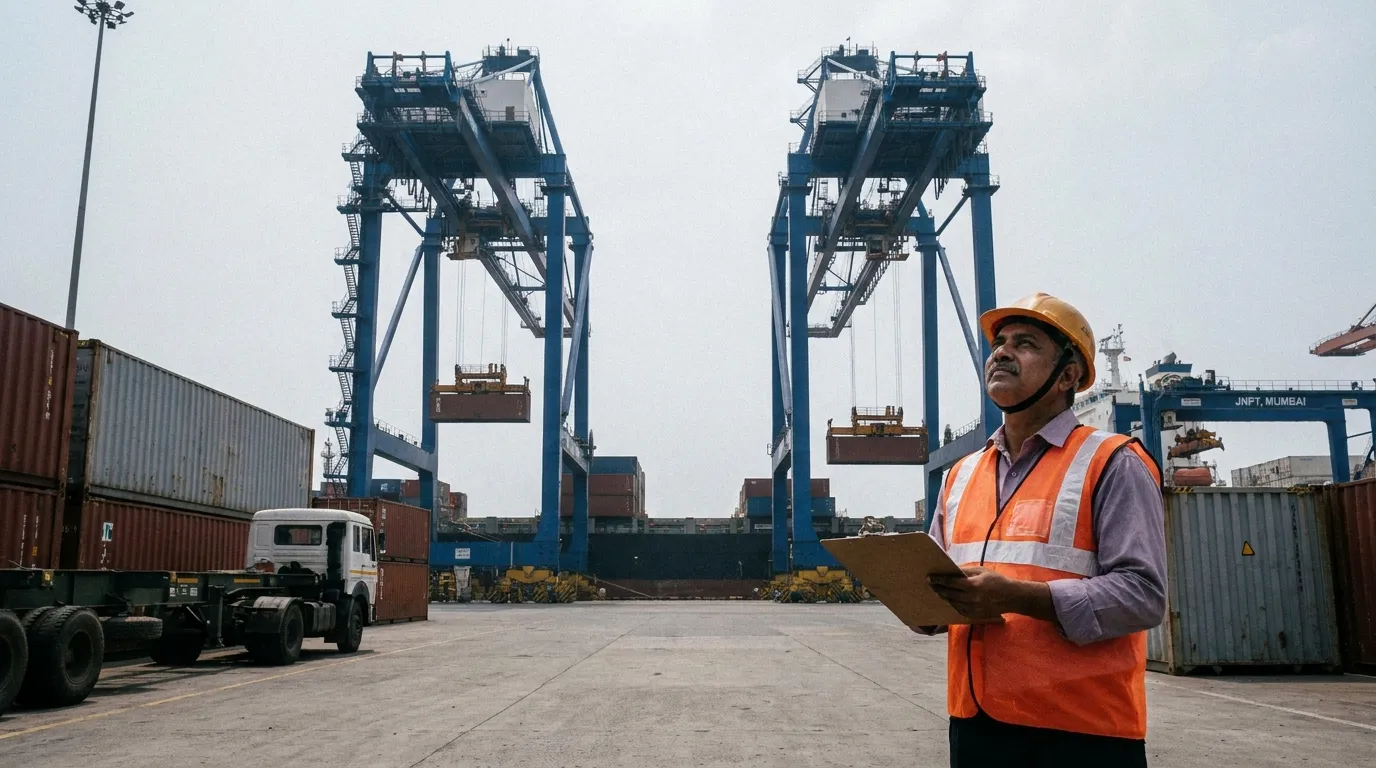
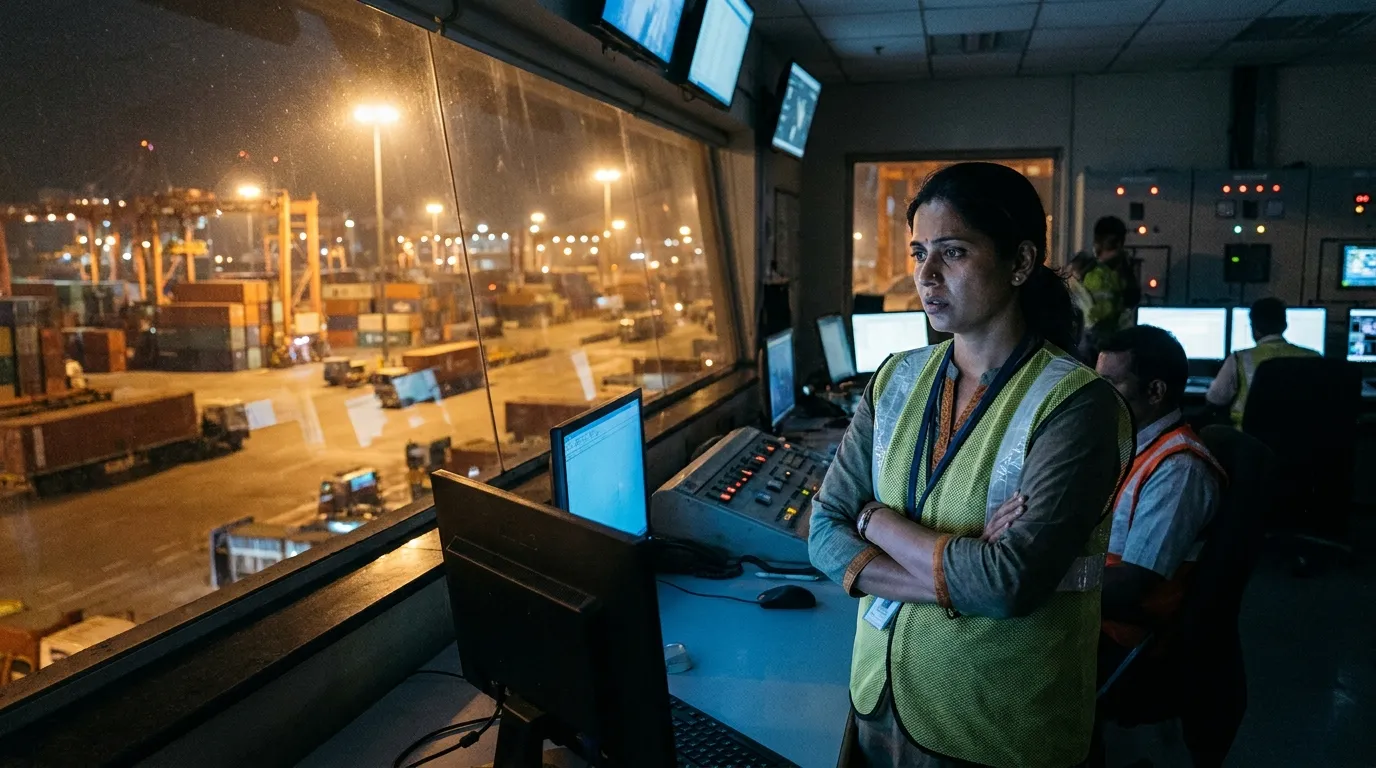
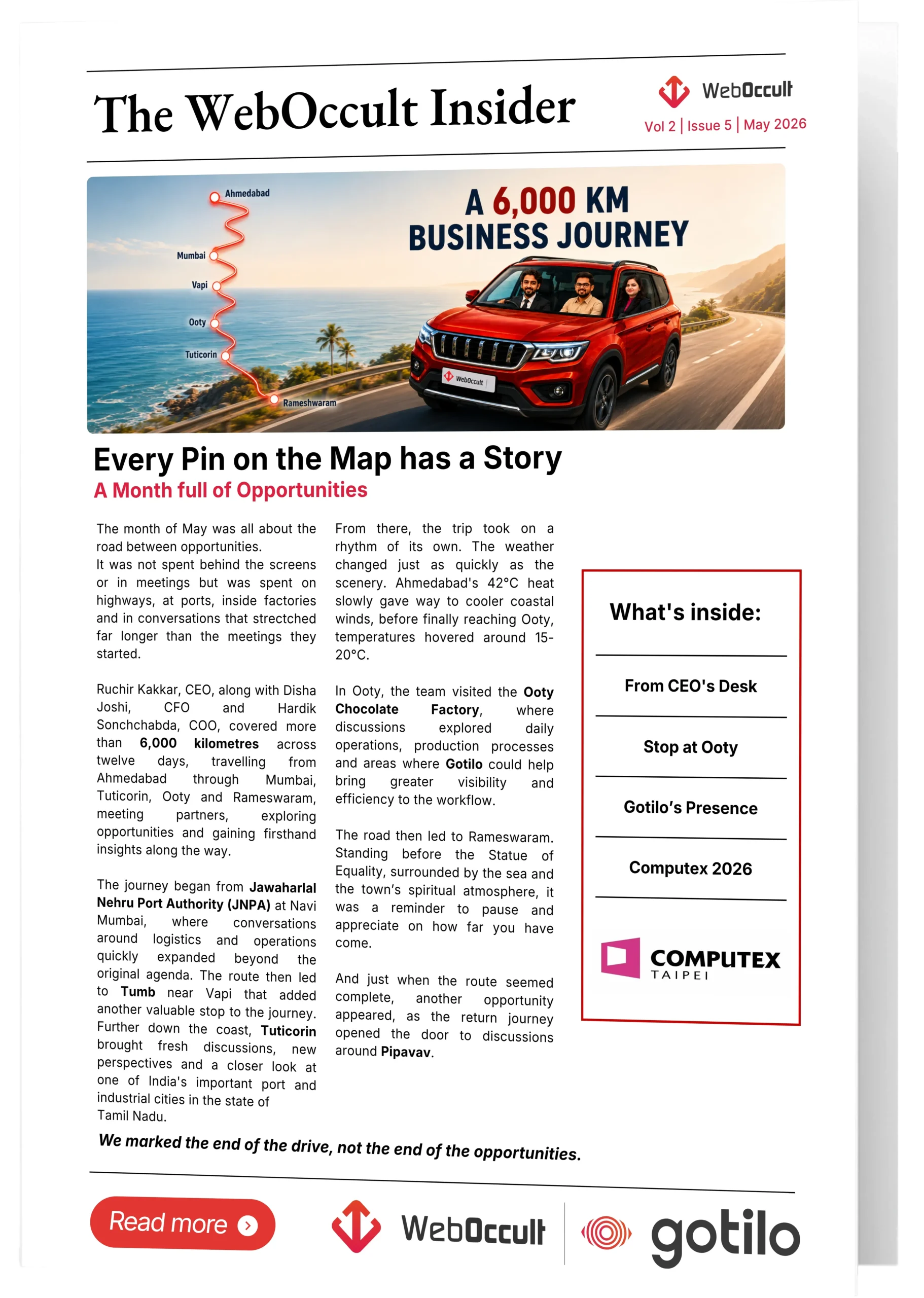
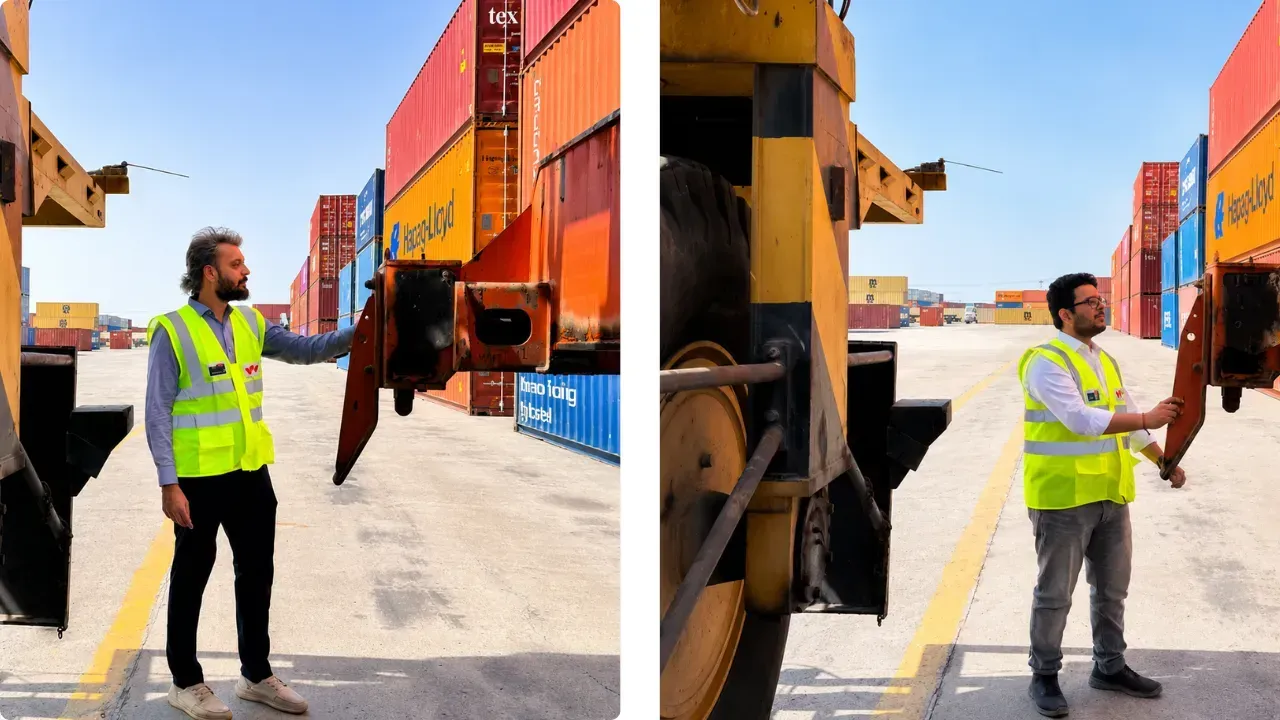
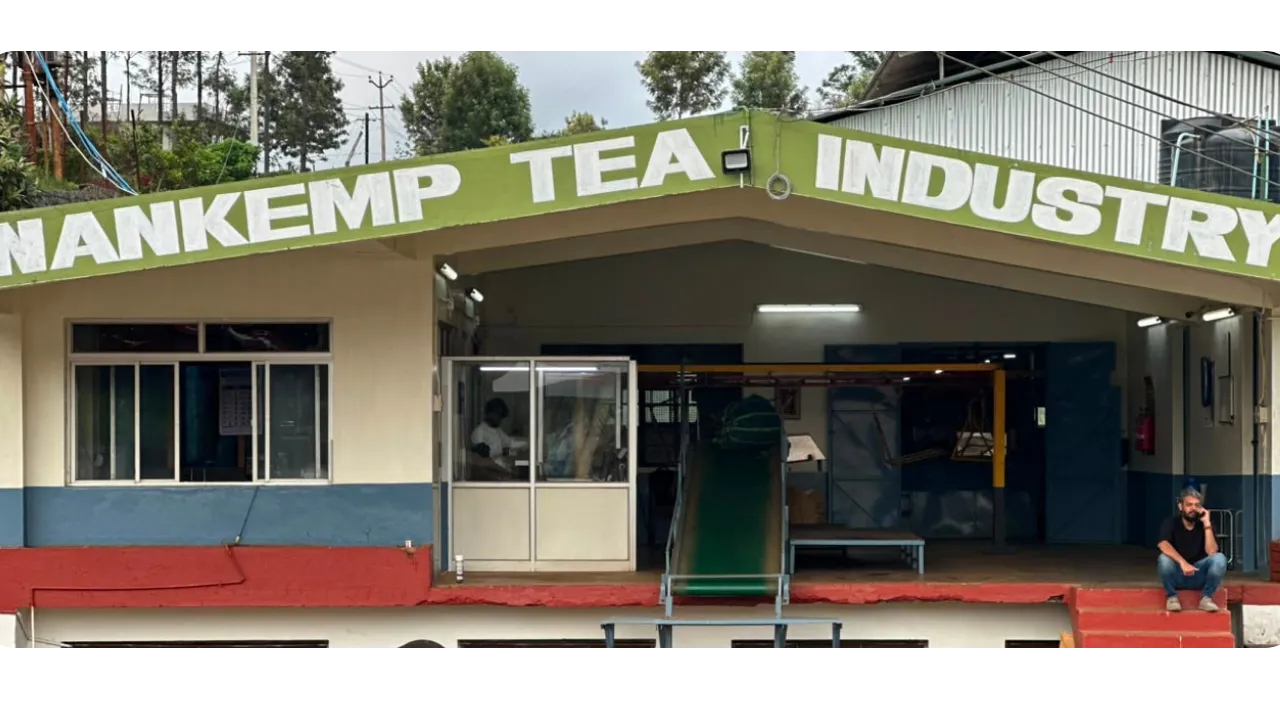
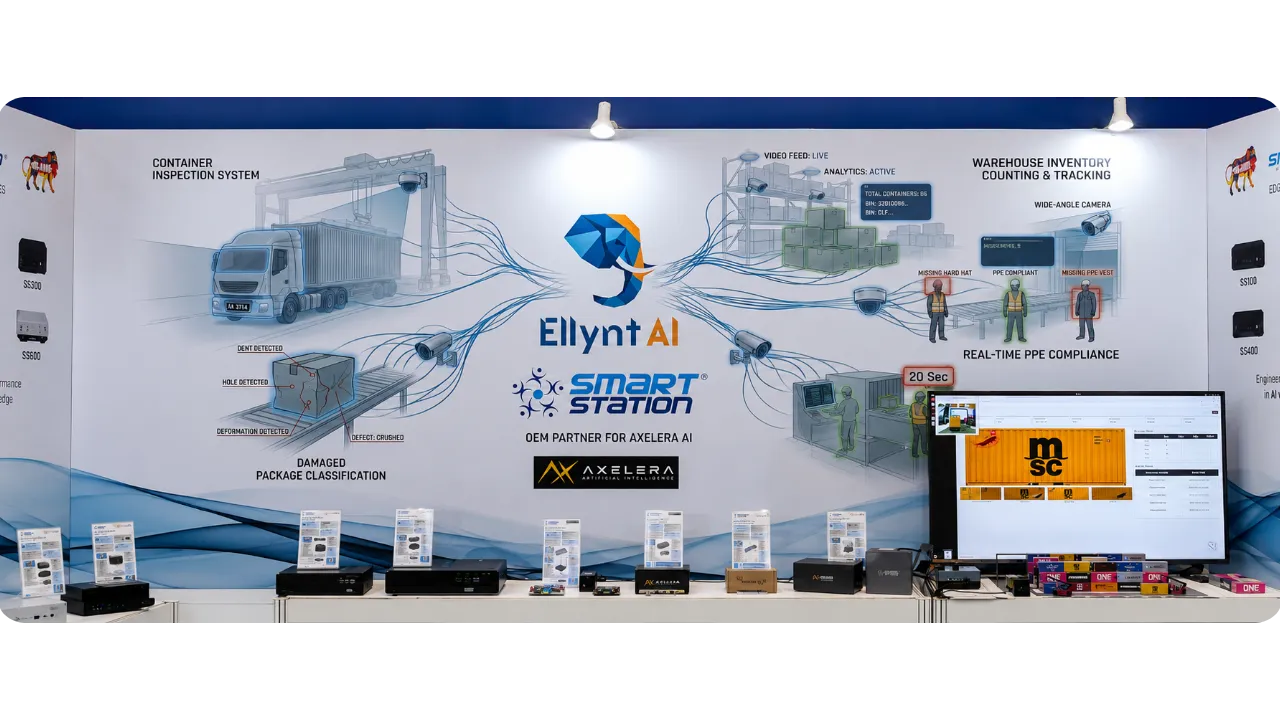
How to Slash Container Yard Fuel Costs by 20%

Fuel is one of the largest recurring expenses in container yard operations, yet it is often treated as a fixed cost rather than a controllable variable. Most operators focus on throughput, turnaround time, and capacity utilization, but overlook how daily inefficiencies quietly inflate fuel consumption. The truth is straightforward: fuel costs are rarely high because of volume alone. They rise because of poor visibility, unstructured movement, and under-monitored equipment behavior.

Reducing fuel costs by 15-20% is not unrealistic. It requires a shift in how yard operations are observed, measured, and managed, especially when it comes to Container Handling Equipment (CHE). When movement becomes intentional and equipment usage is guided by real-time data, fuel stops being a silent expense and becomes an optimizable metric.

The Hidden Drain on Profits

Fuel losses in a container yard are rarely obvious. They do not appear as a single large expense spike; instead, they accumulate through everyday inefficiencies that go unnoticed.

One of the biggest contributors is unnecessary movement. When container locations are unclear or mismanaged, equipment operators spend extra time driving across the yard to locate, reposition, or verify containers. These additional trips may seem minor individually, but over the course of a day, they significantly increase fuel consumption.

Idle time is another major factor. Equipment that remains switched on while waiting for instructions, queue clearance, or task allocation continues to consume fuel without contributing to productivity. In yards with poor coordination, idle time can account for a surprisingly large portion of total fuel usage.

Then there is the issue of rework. Misplaced containers or incorrect stacking often require additional handling cycles. Each extra lift, shift, or relocation consumes fuel, increases wear on equipment, and slows down overall operations.

These inefficiencies are rarely tracked in detail, which is why they remain hidden. However, when aggregated, they represent a substantial drain on profitability.

Focusing on the Equipment

Many yard optimization strategies focus heavily on containers, where they are placed, how quickly they move, and how efficiently space is used. While this is important, it only tells half the story.

The real drivers of fuel consumption are the machines moving those containers.

Container Handling Equipment, whether it includes reach stackers, forklifts, rubber-tyred gantry cranes, or terminal tractors, operates continuously throughout the yard. Each movement, each idle minute, and each maintenance lapse directly impacts fuel usage.

Tracking CHE location is critical. Without knowing where equipment is at any given moment, it becomes difficult to assign tasks efficiently. Operators may be sent across long distances for jobs that could have been handled by closer machines. This leads to unnecessary travel and higher fuel burn.

Maintenance is equally important. Equipment that is not properly maintained tends to consume more fuel. Issues such as engine inefficiency, hydraulic problems, or tyre wear can significantly increase fuel consumption without being immediately visible.

By shifting focus from just container flow to equipment behavior, yard operators gain a more accurate understanding of where fuel is being spent, and wasted.

Actionable CHE Insights

Data becomes valuable only when it leads to action. Simply knowing where equipment is located is not enough; the real benefit comes from using that information to make smarter operational decisions.

Geo-location tracking of CHE provides real-time visibility into equipment movement. Yard managers can see which machines are active, which are idle, and how they are being utilized across different zones. This allows for dynamic task allocation, where the nearest available equipment is assigned to a job, reducing travel distance and fuel usage.

Active status monitoring adds another layer of insight. By tracking whether equipment is actively working, idling, or inactive, operators can identify patterns of inefficiency. For example, if certain machines spend excessive time idling during specific shifts, it may indicate scheduling gaps or coordination issues.

Routing optimization becomes significantly more effective with these insights. Instead of relying on fixed movement patterns, routes can be adjusted based on real-time conditions within the yard. Congested areas can be avoided, and equipment can be directed along the most efficient paths.

These improvements may seem incremental, but their cumulative impact is substantial. Fewer unnecessary trips, reduced idle time, and better equipment allocation all contribute to lower fuel consumption.

Additionally, monitoring equipment usage helps in planning preventive maintenance. Machines that show irregular fuel consumption or unusual activity patterns can be flagged early, preventing costly breakdowns and further inefficiencies.

Turning Insight into Savings

When CHE insights are consistently applied, the results become measurable.

Fuel consumption begins to stabilize as unnecessary movement is reduced. Idle time decreases as equipment is better coordinated. Maintenance costs drop due to early issue detection and more balanced equipment usage.

In most optimized yards, these changes translate into a 15-20% reduction in fuel and maintenance costs. This is not achieved through drastic operational changes, but through steady improvements in visibility and decision-making.

Beyond direct cost savings, there are additional benefits. Equipment lifespan improves due to reduced strain and balanced usage. Operational flow becomes smoother, leading to faster turnaround times. Teams spend less time dealing with inefficiencies and more time executing planned tasks.

From a financial perspective, the return on investment is clear. Lower fuel expenses, reduced maintenance costs, and improved productivity contribute directly to higher margins.

Moving Forward

Fuel efficiency in container yards is not about restricting usage; it is about making every movement count. When equipment operates with purpose and coordination, fuel consumption aligns naturally with productivity.

The key lies in visibility and control. By tracking CHE location, monitoring active status, and applying data-driven insights, yard operators can turn one of their largest expenses into a manageable and reducible cost.

Stop letting hidden operational losses drain your profits. The Gotilo Container solution turns your biggest yard bottlenecks into your strongest assets.

Mastering Turnaround Time (TAT)

How to Speed Up Yard Operations

In any container yard, time behaves like currency. Every minute a truck waits at the gate, every container that sits idle without clear movement, quietly adds to operational cost. Yet, many yards continue to function with fragmented visibility, delayed coordination, and reactive decision-making. The result is predictable: longer turnaround times, strained resources, and dissatisfied clients.

Turnaround Time (TAT), whether for vehicles or containers, sits at the center of yard performance. It is a direct indicator of how efficiently a yard operates, how well processes are aligned, and how effectively data is being used. Improving TAT is not about pushing teams to work faster; it is about removing friction from the system.

The Cost of Sluggish Operations

Slow yard movement rarely appears as a single obvious issue. It builds quietly through small inefficiencies, manual gate entries, unclear container locations, miscommunication between teams, and lack of scheduling discipline.

When a truck enters the yard and spends excess time waiting for instructions or container allocation, the delay doesn’t stay confined to that single transaction. It creates a ripple effect. Queues begin to form at entry points, yard cranes get overloaded with unplanned moves, and outbound schedules begin to slip.

Over time, these inefficiencies begin to show up in measurable ways. Fuel costs rise due to idle vehicles. Labour productivity declines as workers spend more time searching or waiting than executing. Equipment usage becomes uneven, with some assets overutilized while others remain underused.

Most importantly, client trust takes a hit. Logistics is a time-sensitive industry. When promised timelines are not met, clients begin to question reliability. In competitive environments, this often leads to a gradual loss of business.

Sluggish operations are rarely caused by a lack of effort. They stem from a lack of clarity, coordination, and real-time insight.

Tracking the Journey

You cannot improve what you cannot see. This principle holds especially true in container yard operations.

Every container entering the yard carries a lifecycle. From gate-in to stacking, from repositioning to gate-out, each movement contributes to its total turnaround time. Without a structured way to capture this journey, operations rely heavily on assumptions.

Logging container movement history provides more than just a record; it creates visibility. It allows operators to trace where time is being spent, identify repetitive delays, and understand patterns that would otherwise go unnoticed.

For example, if certain containers consistently take longer to move from stacking zones to dispatch areas, the issue may lie in yard layout or equipment allocation. If trucks frequently wait at gates during specific hours, it could point toward scheduling bottlenecks.

Vehicle tracking is equally critical. Knowing when a vehicle enters, how long it waits, when it is assigned a task, and when it exits provides a complete picture of vehicle turnaround time.

This level of tracking shifts operations from reactive to informed. Instead of responding to complaints or delays after they occur, teams can proactively identify and resolve inefficiencies.

Dual Metrics: Vehicle TAT and Container TAT

A common mistake in yard optimization is focusing on a single metric. While overall efficiency may improve slightly, blind spots remain. This is where dual metrics, Vehicle TAT and Container TAT, become essential.

Vehicle TAT measures the time taken for a truck to complete its entire cycle within the yard. This includes entry, waiting time, loading or unloading, and exit. High Vehicle TAT usually signals issues in gate management, task allocation, or coordination between teams.

Container TAT, on the other hand, tracks how long a container stays within the yard from arrival to departure. It reflects storage efficiency, planning accuracy, and movement coordination.

By measuring both metrics simultaneously, operators gain a more balanced understanding of yard performance.

For instance, a yard may show improved Vehicle TAT due to faster gate processing, but if Container TAT remains high, it indicates that containers are still sitting idle within the yard. Similarly, low Container TAT with high Vehicle TAT could point toward inefficiencies in vehicle handling rather than storage.

Systems that actively track and analyze both metrics provide actionable insights. They highlight where delays originate and where intervention is needed. This enables targeted improvements rather than broad, unfocused changes.

Boosting Efficiency Through Visibility

Efficiency in yard operations is not achieved through speed alone. It is achieved through clarity.

When operators have a 360-degree view of yard activities, decision-making becomes faster and more accurate. Real-time visibility into container locations, equipment availability, and vehicle status removes uncertainty from the process.

With complete visibility, yard managers can allocate resources more effectively. Cranes can be directed to areas with higher demand. Vehicles can be routed based on real-time conditions rather than static plans. Congestion can be anticipated and avoided before it builds up.

This level of coordination directly reduces waiting time. Trucks spend less time idle, containers move through the yard more predictably, and overall flow improves.

Visibility also improves accountability. When every movement is logged and measurable, teams become more aligned with operational goals. Performance can be tracked, benchmarks can be set, and continuous improvement becomes part of daily operations.

In the long run, yards that invest in visibility are better positioned to scale. As volumes increase, structured systems ensure that efficiency does not decline under pressure.

Way Ahead

Improving Turnaround Time is not a one-time fix. It is an ongoing process of observation, analysis, and refinement. It requires the right systems, clear metrics, and a commitment to operational discipline.

The difference between an average yard and a high-performing one often comes down to how well time is managed. Every minute saved is a gain in efficiency, cost, and client satisfaction.

Don’t let slow, unplanned yard movements cost you clients. Start optimizing your Vehicle and Container TAT with the Gotilo Container solution.

Ready to transform your container yard operations?

WebOccult Insider | April 26

Ashtavinayak Enterprises Transforms Mundra with Gotilo

Powering the Future of Smart Logistics in Gujarat

This month, we are incredibly proud to announce that Ashtavinayak Enterprises has officially upgraded its facility in Mundra, Gujarat, by deploying the Gotilo Solution.

By integrating our AI-based Gate Automation and Container Tracking System, Ashtavinayak has effectively eliminated gate friction and eradicated yard blind spots. As announced by Bhaven Thacker, the yard has officially launched its new tracking system for the Hind Terminal Pvt Ltd – MSC Line, powered entirely by Gotilo’s cutting-edge technology.

For Ashtavinayak’s customers, this transition translates into immediate, tangible benefits:

  • Instant Location: Sub-second container positioning.
  • Seamless Logistics: Total elimination of manual tracking delays.
  • Enhanced Reliability: A massive leap in service speed and transparency.

This commitment to innovation ensures that every movement within the facility is accounted for, creating a streamlined flow that sets a new benchmark for the region. We extend a huge congratulations to the entire Ashtavinayak Enterprises team for taking this bold leap into the future of logistics. Weboccult and Gotilo are honored to power your Smart Gate and Smart Yard, turning the complexities of container management into a precise, automated science.

This strategic upgrade is more than just a local improvement; it represents a fundamental shift in how Gujarat’s maritime hubs handle the pressures of global trade. The synergy between Gotilo’s AI Suite and Ashtavinayak’s operational expertise creates a digital twin of the yard, allowing management to make data-driven decisions in real-time.

From CEO’s Desk

The Shift You Don’t See Until You Live It

For years, I believed scale was about building systems that run from one place. WebOccult was exactly that. A service business designed to operate through screens, calls, and processes. It worked well. It grew steadily, and it gave me confidence that distance was never a limitation.

Then came the decision to build Gotilo. I carried the same mindset forward. Build right, position it well, and let the market respond. But the ground had other plans. Ports are not environments you can understand remotely. The real problems are not written down; they are lived.

So I stepped out. I started moving across ports, standing with operators, listening to conversations that don’t follow structure. You notice small inefficiencies, repeated delays, and decisions taken under pressure. None of this shows up on a dashboard.

That is where the shift becomes real. A service can be managed from a distance, but a product demands presence. It asks you to understand context, constraints, and behaviour. It pushes you to replace assumptions with reality.

This transition changes how you think. It slows you down but improves clarity. You start respecting the problem more than the solution.

Looking back, this was not just a business shift. It was personal. I finally understood why some journeys cannot be avoided. Because certain lessons only exist outside the office, waiting where the problem actually lives. Those visits build conviction that no presentation can replace lived insight. They also remind you that selling responsibly depends on knowing exactly where your product fits. Over time, this approach shapes better decisions and stronger outcomes. And it brings a sense of alignment between what you build and what truly matters on the ground

AI Learns to See, Businesses Learn to Act

From a complex capability into a deployable advantage

Partnerships often get announced with big words. Rarely do they solve something real.

For us, this collaboration with Humble Code started with a simple observation. Vision AI has always been powerful, but access to it has been limited. High cost, long development cycles, and deep technical dependencies have kept it out of reach for many businesses that actually need it.

At WebOccult, we have spent years building and deploying computer vision systems across industries. From ports to manufacturing floors, the challenge has never been capability. It has always been speed and accessibility.

Humble Code changes that equation.

Their prompt to product architecture brings a new layer to how software is built. When you combine that with our Vision AI models, something interesting happens. Complex solutions like Automatic Number Plate Recognition, people counting at scale, or precision-based industrial counting start becoming deployable, not just conceptual.

This partnership is not about adding features. It is about removing friction.

Businesses should not spend months trying to implement what can be operational in days. They should not require deep AI teams to solve visible, repetitive problems that already have proven solutions.

That is the bridge we are building together.

Offbeat Essence – The Cost You Don’t Invoice

In logistics, the biggest cost rarely shows up on a balance sheet. It sits quietly between actions. It is the time spent waiting.

Not the visible waiting in queues or at ports, but the subtle pauses within systems where certainty is missing.

A container arrives, but its identity is unclear. A truck is ready, but clearance is pending. A team is prepared, but confirmation hasn’t come through. So everything slows down, just enough to be noticed, never enough to be questioned.

For years, the industry has focused on improving movement. Faster routes, larger vessels, tighter timelines. Yet the real friction was never movement itself.

It was the hesitation before it.

Remove that hesitation, even slightly, and the system responds immediately. Decisions become quicker. Pressure reduces. Flow improves without forcing speed.

The future of supply chains may depend less on how fast things move, and more on how little they have to wait.

Athashree – A Pause That Prepares Us

There is something deeply meaningful about stepping into the 11th year. In our traditions, the eleventh day, Ekadashi, is not only about fasting; it is about pause. A pause to reflect, absorb, cleanse, and prepare for a new beginning. Athashree was that pause for us.

Ten years of WebOccult have been defined by learning, challenges, growth, and constant movement. Yet, this moment was not about counting years. It was about understanding what truly sustains a journey over time. Beyond numbers and milestones, it is people who shape the path, give it strength, and carry it forward with purpose.

As I looked around during Athashree, I saw many journeys coming together. Some were recognised with awards, standing on stage as a reflection of their dedication. Some shared their thoughts, offering perspectives that added depth to the moment. Some filled the space with energy and expression, making the celebration vibrant and alive. And many remained behind the scenes, working quietly, ensuring everything came together seamlessly.

Each of these roles matters equally. Because what we celebrate is never built by a few visible moments; it is built over years of consistent effort, belief, and contribution.

Athashree was a reminder of that collective strength.

It was also a moment to pause before moving forward again. A moment to realign with our purpose, to carry forward what we have learned, and to step into the next phase with clarity and intent.

Athashree signifies an auspicious beginning, guided by wisdom and grace. As we enter this new chapter, it reminds us to stay grounded in what truly matters.

The journey ahead will ask for more. But with the right people and purpose, we move forward ready, together, and with deeper understanding.

There is also quiet gratitude in reaching this point. For every challenge that shaped us, and every individual who chose to stay, contribute, and believe in the path we were building together.

As we step ahead, the focus remains simple: to build with intent, to grow with responsibility, and to ensure that every step forward carries the same meaning that brought us here.

Ashtavinayak Enterprises Announces the Launch of AI-Powered Smart Yard in Mundra, Powered by Gotilo

MUNDRA, GUJARAT, INDIA – April 14, 2026 – Ashtavinayak Enterprises, a leading provider of transportation, logistics, and supply chain storage solutions, has officially announced the launch of its newly digitized and intelligent yard monitoring system at the Ashtavinayak Yard (Hind Terminal Private Limited – MSC Line). The major infrastructure upgrade is powered by the Gotilo edge-AI software solution, officially transforming the Mundra-based facility into a state-of-the-art Smart Yard.

Designed to completely eliminate gate friction and yard blind spots, the integration of Gotilo introduces advanced Gate Automation and real-time Container Tracking to the facility. By shifting from manual, time-consuming yard checks to instant, sub-second tracking, Ashtavinayak Enterprises is setting a new regional standard for operational visibility and service speed.

The Gotilo system automatically logs gate entries and monitors exact container geo-locations across the yard without the need for manual data entry. For customers and members utilizing the HTPL – MSC Line, this technological leap translates directly into faster turnaround times, pinpoint container location accuracy, and an overall smoother, more transparent service experience.

“We are pleased to inform you that we have officially started the intelligent yard monitoring system at the Ashtavinayak Yard with the support of Gotilo software to provide better services to our customers,” announced Bhaven Thacker, Owner, Ashtavinayak Enterprises. “Our priority has always been delivering the fastest, most reliable service possible. We request all members to begin using this facility, and we thank you for your continued support as we step into the future of yard management.”

The official launch event was marked by the presence of key industry stakeholders and partner leadership. Notable attendees included Mr. Pruthviraj Rathod, Branch Manager, MSC Mundra; Mr. Pramod Barik, Logistic Department, MSC Mundra; and Mr. Shailesh Shinghani, Representative of Hind Terminals, Mundra. Representing the Ashtavinayak Enterprises leadership alongside Bhaven Thacker were Bhupendra Bhai Thacker and Meet Thacker.

The successful deployment of this AI-based automation highlights a growing industry shift toward true operational intelligence, driven heavily by the technology developers at WebOccult.

“A smart yard is more than just installing new hardware; it is about fundamentally changing how a facility breathes and operates,” said Ruchir Kakkad, CEO, WebOccult. “Our strategic deployment for Ashtavinayak Enterprises is a perfect example of what happens when a forward-thinking logistics leader decides to stop managing blind spots and starts eliminating them entirely. We are immensely proud to see Gotilo driving this transformation in Mundra.”

From an operational standpoint, the shift from manual logging to edge-AI tracking delivers immediate, measurable results for facility managers.

All members and logistics partners are encouraged to utilize the new Container Location facility immediately.

Bulletproof Gate Automation – AI Damage & Seal Detection Explained

6:10 AM. The first truck entered the yard.

The driver is in a hurry. The queue behind him is already being built.
At the gate, a few seconds decide everything.

A number is read.
A seal is “assumed” to be intact.
A quick look confirms “no visible damage.”

The barrier lifts.

Everything seems normal.

Until later… when a dent is noticed. Or a seal mismatch is reported. Or a container cannot be traced properly in the system.

And that’s where the real problem begins.

Because in logistics, what happens at the gate is not just an entry. It is the starting point of accountability.

This is exactly where a Gate Automation System powered by AI changes the game.

Automating the Entry Gate

Gate Automation System


Entry gates are one of the busiest and most critical points in any logistics yard. Every container that enters or exits passes through this checkpoint. Yet in many operations, this process still depends on manual inputs.

Someone reads the license plate.
Someone types the container ID.
Someone checks documents and confirms details.

This approach works. Until it does not.

Manual processes slow things down. They introduce errors. And more importantly, they create gaps between what actually happened and what got recorded.

A modern Gate Automation System removes this dependency entirely.

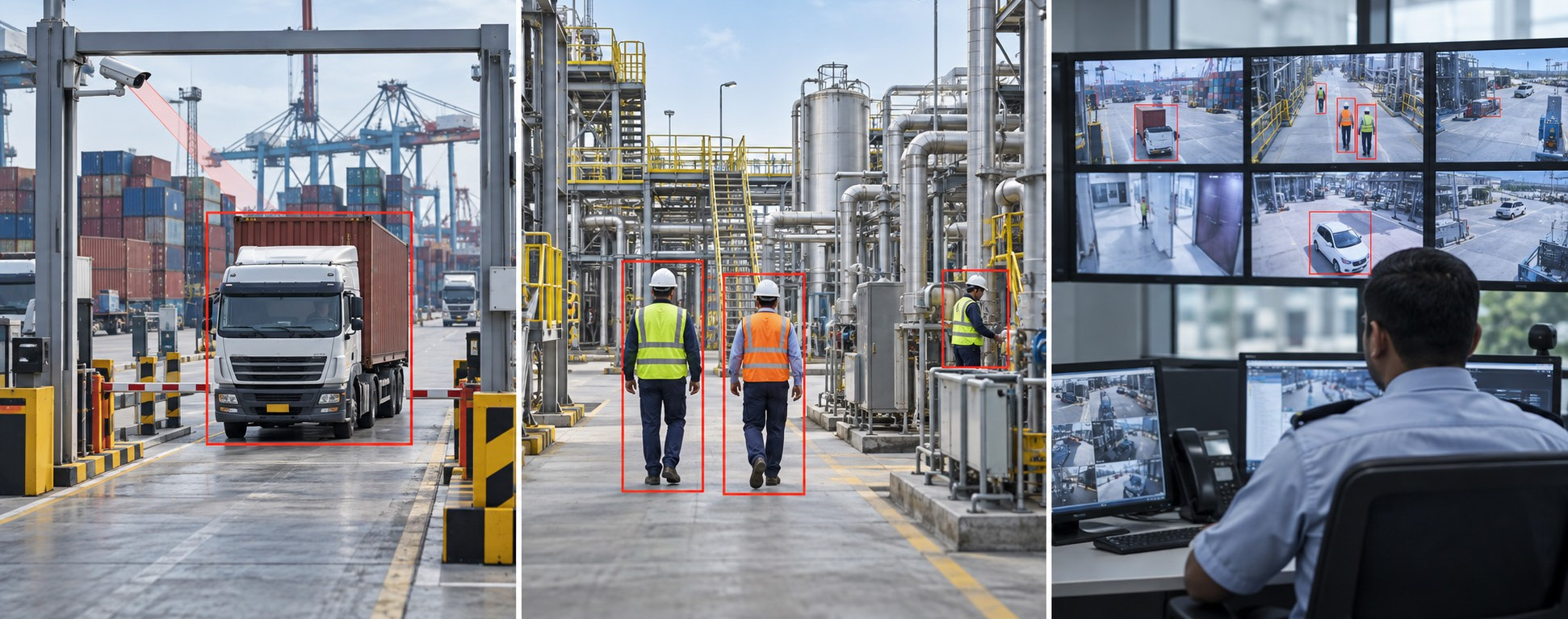
As a vehicle approaches the gate, cameras automatically capture:

  • License plate number
  • Container ID
  • ISO code
  • Weight and related details

All of this is logged in real time, without manual intervention.

There is no typing delay.
No dependency on human accuracy.
No “we’ll update it later.”

The system creates a verified digital record the moment the container crosses the gate.

The impact is immediate:

  • Faster vehicle turnaround
  • Reduced congestion at entry points
  • Accurate, consistent data logging
  • A clean audit trail for every movement

This is not just about speed. It is about creating a reliable starting point for every container’s journey.

The Power of Visual AI

Logging entry details is only one part of the story.

What truly makes gate automation powerful is when it is combined with visual intelligence.

A Gate Automation System integrated with AI Damage Detection does not just record entries. It observes the condition of the container in real time.

This is where operations shift from “tracking movement” to actually “understanding condition.”

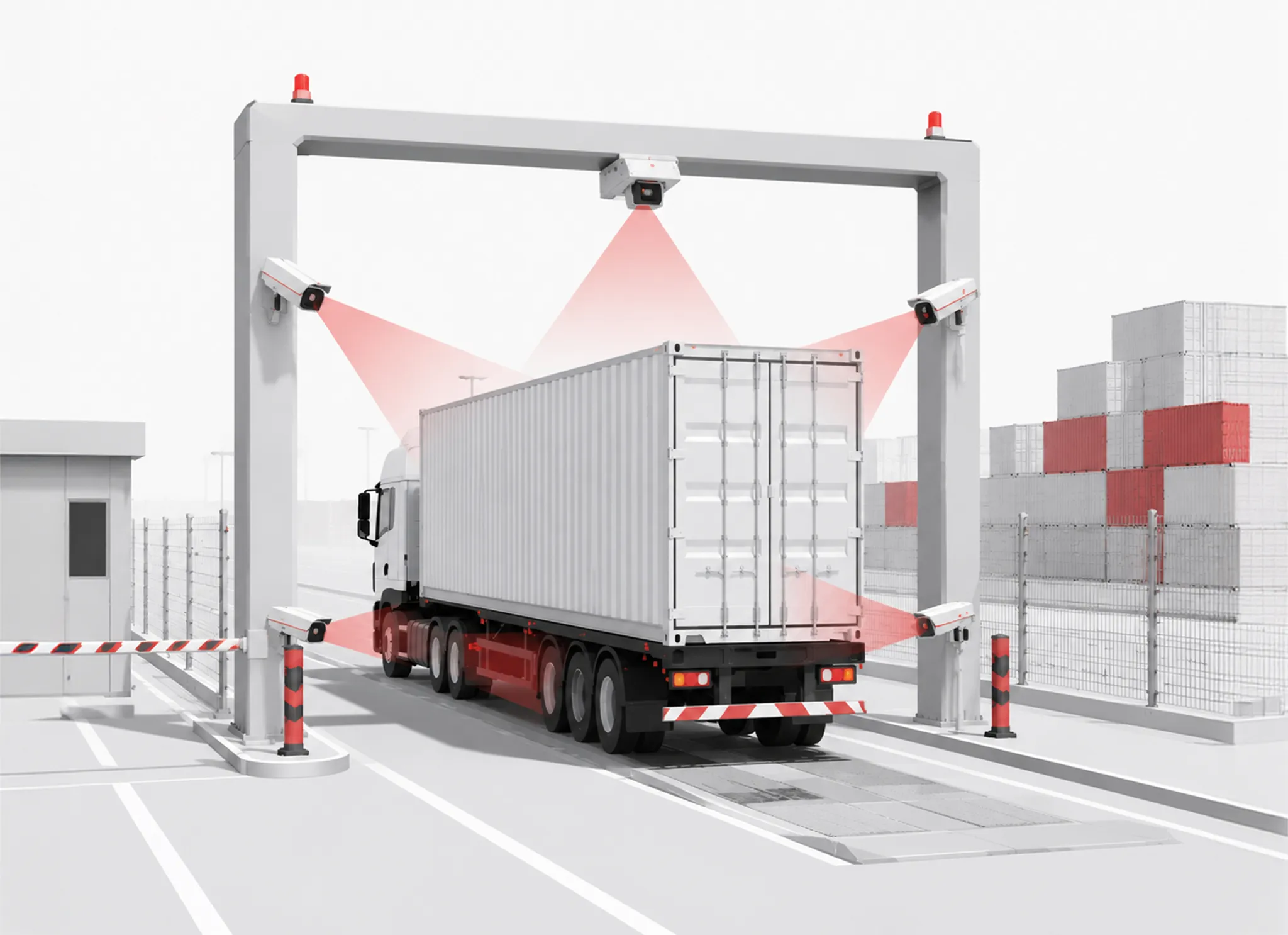
Instead of relying on quick visual checks by operators, AI systems analyze container surfaces as they pass through the gate. They capture high-resolution images and process them instantly.

This creates a layer of visibility that manual systems simply cannot match.

The result is:

  • Every container is visually documented at entry
  • Condition is recorded, not assumed
  • Any discrepancy is flagged immediately

In high‑volume yards, speed often compromises inspection. That is why thorough checks become important.

You do not have to choose between speed and accuracy. You get both with AI.

This is what makes Smart Yard Security practical and scalable. But a working system.

Pinpointing Structural Damage

AI Damage Detection

One of the biggest risks in container logistics is undetected damage.

A small dent or deformation might seem insignificant at the gate. But as the container moves across the supply chain, that small issue can turn into a major dispute.

The question always comes later that, “Was this damage already there?”

Without proof, it becomes a debate.

This is where AI Damage Detection becomes critical.

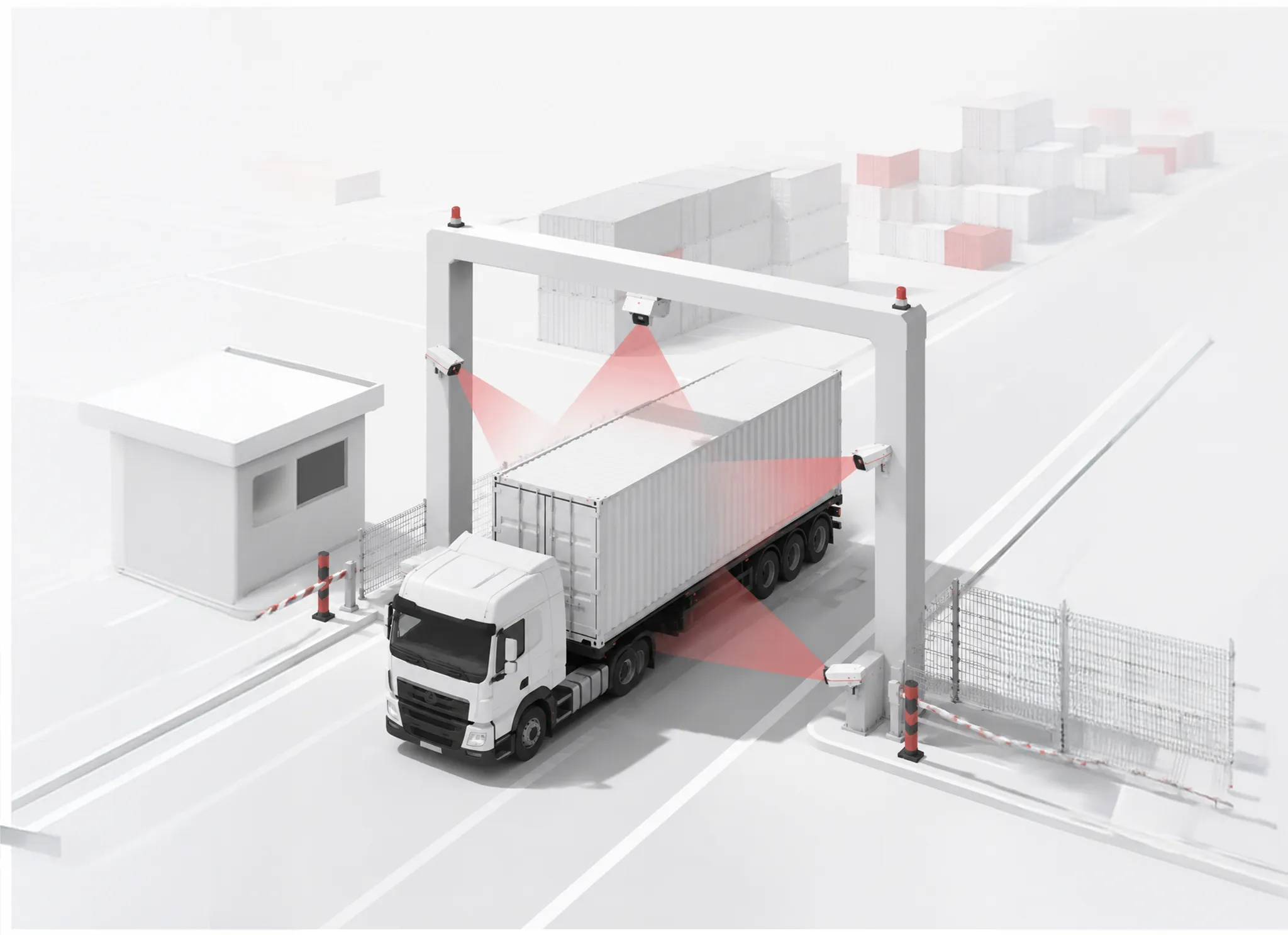
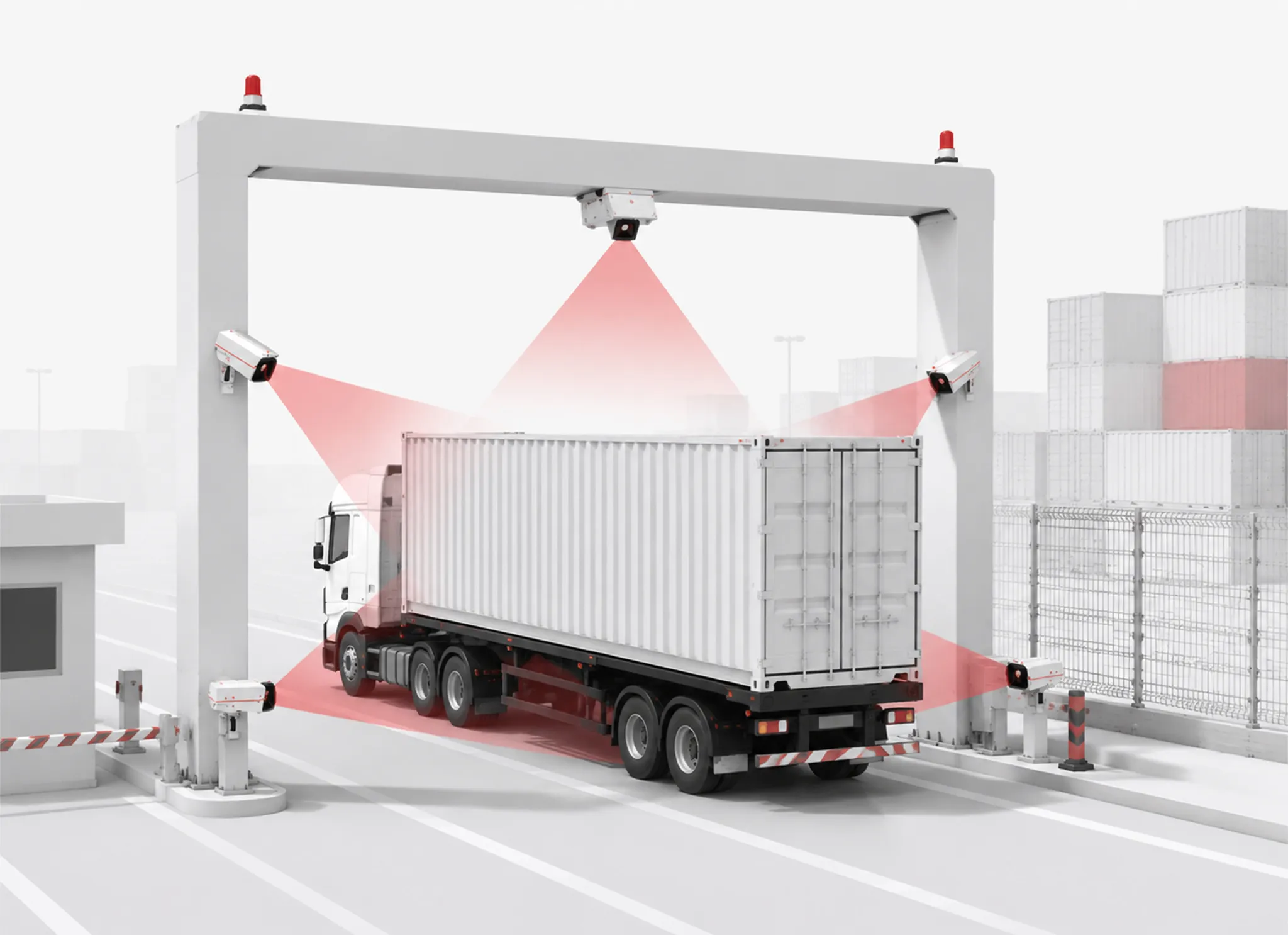
Using multiple strategically placed cameras, the system captures different angles of the container, sides, top and structural surfaces. As the container moves, AI models analyze these images in real time.

They are trained to detect:

  • Dents and deformations
  • Holes or structural breaches
  • Surface irregularities
  • Visible wear that indicates potential risk

Unlike human inspections, AI does not get distracted. It does not rush. It does not miss details due to fatigue or pressure.

If any structural issue is detected, it is:

  • Marked instantly
  • Tagged to the container ID
  • Stored with time-stamped visual proof

This changes how operations handle damage.

Instead of discovering issues later, teams catch them at the source.
Instead of arguing over responsibility, they rely on evidence.

Over time, this leads to:

  • Fewer disputes between stakeholders
  • Faster claim resolution
  • Better compliance with inspection standards

Damage detection is no longer reactive. It becomes proactive.

Securing the Cargo

Container Seal Detection

While structural damage is visible, another critical factor often goes unnoticed. Container seals.

Seals are the simplest yet most important indicator of cargo integrity. If a seal is missing or broken or tampered with, the entire shipment becomes questionable.

Traditionally, seal checks are manual.

An operator looks at the container and confirms that “Yes, the seal is there.” But in busy environments, even this basic check can be rushed or missed. This is where Container Seal Detection adds a crucial layer of security.

As containers pass through the gate, AI systems automatically:

  • Detect the presence of a seal
  • Verify its position
  • Flag if the seal is missing or unclear

This happens instantly, without slowing down movement.

The benefit is not just detection. It is consistency.

Every container is checked the same way.
Every entry is verified.
Every exception is flagged immediately.

This strengthens Smart Yard Security by ensuring that cargo integrity is monitored right at the entry and exit points.

Instead of relying on human confirmation, operations now have:

  • Visual proof of seal presence
  • Automated alerts for discrepancies
  • A reliable record for audits and compliance

This reduces risk significantly. Especially in high-value or sensitive shipments.

When Speed, Accuracy and Security Work Together

Gate operations are often seen as a simple checkpoint. But in reality, they are one of the most important control points in logistics.

Everything that happens inside the yard depends on what gets recorded at the gate.

When gate processes are manual:

  • Errors enter the system early
  • Visibility breaks before operations even begin
  • Teams spend time fixing issues later

When gate automation is powered by AI:

  • Data is accurate from the start
  • Container condition is verified instantly
  • Security checks are consistent and reliable

This combination of Gate Automation System, AI Damage Detection and Container Seal Detection creates a foundation where operations can run smoothly without constant intervention.

It reduces uncertainty.
It removes guesswork.
It builds trust across the entire supply chain.

Pressure Points in Modern Logistics

Logistics today operates under pressure.

Higher volumes. Faster turnaround expectations. Stricter compliance requirements.

In this environment, even small gaps at the gate can create large downstream problems.

A missed dent can turn into a claim.
An unverified seal can become a liability.
An incorrect entry can disrupt tracking systems.

That’s why modern yards are moving toward Smart Yard Security. Here visibility, automation and verification work together.

Gate automation is all about efficiency. Along with control.

From Entry Point to Control Point

The gate is not a barrier that opens and closes.

It becomes a decision point. A verification layer. A source of truth. All with AI.

Every container that enters is identified, inspected and verified. And that changes everything. It is because when the first step is correct, the rest of the operation becomes easier to manage.

Protect your Yard before Problems Enter

Most logistics issues do not start in the yard. They start at the gate. And if they are not caught there, they only get harder to resolve later.

With AI-powered gate automation, you do not have to rely on assumptions anymore. You operate with evidence, speed and consistency.

Protect your yard from liability with super-fast damage inspection surveys.

Deploy the Gotilo Container Solution to use AI damage detection and automated seal tracking.

WebOccult Insider | Feb & Mar 26

The End of the Blind Spot

Inside WebOccult’s monumental March across Germany, India, and the USA

March 2026 has been a monumental month for WebOccult as we took our cutting-edge AI solutions on a global tour across three continents.

We kicked off the month at Embedded World in Nuremberg, Germany, showcasing the Gotilo platform powered by Axelera AI’s game-changing edge technology. Alongside this, our VLM Chatbot drew incredible engagement at both the Axelera AI and Forecr booths.

The momentum continued at ISC 2026 in Las Vegas, USA, where we teamed up with Axelera AI again to present our solutions. The key takeaway from these global stages? The demand for zero-latency, edge-powered AI is an immediate operational necessity.

Meanwhile, in Mumbai, India, CTL-BHP 2026 proved to be a massive success. Our huge push for the Gotilo Container live demo resonated deeply with logistics leaders.

Watching yard managers react to our sub-second container search validated exactly why we built this.

Across Germany, India, and the USA, the feedback was unified. Industries are tired of reactive systems and blind spots. They want proactive, total visibility. As we reflect on a whirlwind March, we are more energized than ever to keep pushing boundaries, refining our technologies, and adding real values to daily operations.

The future of smart logistics and seamless automation is already here, and we are proud to lead the charge forward alongside our partners.

Together, we will always keep building a much brighter tomorrow for our esteemed clients.

From CEO’s Desk

The Anchor in the Surge

The maritime shipping industry is currently navigating one of its most volatile periods in recent memory.

Escalating geopolitical tensions, conflict across critical transit corridors, and the subsequent rerouting of major fleets have fundamentally disrupted the predictability of global sailing schedules. For the international supply chain, the ocean has become a landscape of profound uncertainty.

However, the cascading effects of this maritime disruption are most acutely felt on land. When shipping schedules fracture, ports and container yards are forced to absorb the shock. Terminals are increasingly facing vessel bunching, sudden, overwhelming surges of incoming cargo followed by unpredictable lulls.

In this volatile environment, the traditional margins for error in yard management simply evaporate. When the arrival of a vessel is entirely unpredictable, the management of its cargo within your terminal must be absolute.

Strategic resilience now depends on internal agility. This requires a fundamental shift from reactive, manual tracking to proactive, digital visibility.

This operational imperative is precisely what guided the architecture of the Gotilo Container platform. By leveraging edge AI and advanced computer vision, our goal is to enable terminal operators to digitize their yards instantly, bypassing the prohibitive delays of heavy infrastructure investments.

When a yard experiences a sudden capacity surge due to a rerouted mega-ship, the ability to locate any specific container in sub-seconds, accurately track yard occupancy, and optimize cargo handling equipment is no longer an operational luxury, it is a critical buffer against gridlock.

We cannot control the geopolitical currents disrupting our global waters. However, through intelligent, decentralized technology, we can equip our ports and container yards with the ironclad visibility needed to weather the storm. True supply chain resilience does not start on the ocean; it begins at the gate.

The 3.3 to 1 Problem

Europe is stacking up. Africa is surging.

The Strait of Hormuz has essentially closed, with vessel transits plummeting 90% from the historical average of 138 per day. As global carriers like Maersk, Evergreen, and CMA CGM suspend bookings and freeze Gulf services, the industry is facing a dual crisis: an equipment shortage and a severe scheduling imbalance.
In Europe, the trade imbalance has reached a staggering 3.3:1 ratio of incoming to outgoing containers. As no vessels have left in days, yards are becoming high-pressure storage hubs for nearly 2 million TEU. When services eventually resume, the sheer volume of inbound containers will trigger unprecedented chaos and mismanagement. Automation is no longer a choice, it is the only way to navigate the coming surge.

Simultaneously, Sub-Saharan Africa is recording the world’s strongest regional import growth at 17.1%, with fleet capacity surging 54.3% year-on-year. This level of growth cannot be met by slow-moving physical infrastructure. The answer lies in immediate operational efficiency.

This is where Gotilo Container changes the narrative. The platform allows terminals to find and retrieve containers in under a second, regardless of how high or haphazardly they are stacked during a crisis. By providing 360° visibility and tracking cargo handling equipment in real-time, we help operators save significant fuel and labor hours during peak congestion. As Hormuz dominates the shipping agenda, we empower yards in Europe and Africa to improvise their efficiency in almost no time.

Offbeat Essence – The End of the Search

The greatest industrial anxiety is knowing something exists, but having absolutely no idea where it is.

For decades, global trade was defined by sheer volume. We built massive ships, sprawling yards, and endless stacks of steel. But in our obsession with moving things, we simply accepted the chaos of the search as the standard cost of doing business.

But a search is just a delay disguised as work.

There is a profound psychological shift that happens the exact fraction of a second you finally locate what you are looking for. The operational tension breaks. The frantic energy instantly dissolves into clarity.

In Gujarati, there is a simple, powerful word for this exact moment of sudden discovery: Gotilo.

We engineered a system for that exact feeling. Gotilo Container isn’t just about scanning metal boxes and logging data. It is about replacing the perpetual anxiety of the search with the quiet, immediate confidence of absolute certainty.

Inside the Gotilo Container

Gotilo Container, powered by Weboccult, is a precision gate automation and intelligent yard monitoring system designed to eliminate container yard confusion, delays, and daily losses. It acts as a single system that restores complete operational visibility. Many yards face common challenges such as time wasted locating containers, slow and unplanned yard movements, hidden fuel and operational losses, and disputes due to missing records. Gotilo addresses these by allowing users to stop searching, stop guessing, and start controlling their yard.

The platform enables teams to find any container in under one second, which saves between six to ten working hours per week. Through comprehensive three hundred sixty degree yard visibility and equipment tracking, it rapidly reduces waiting time and improves overall efficiency. Users can actively reduce fuel and maintenance costs, saving fifteen to twenty percent on fuel with the help of vital cargo handling equipment insights. By digitalizing damage inspection, yards experience fewer escalations and zero percent disputes.

Gotilo turns major yard bottlenecks into highly strong assets. It offers robust features including container search, movement history, and turnaround time tracking for both vehicles and containers. Operators can continually monitor yard occupancy, overall capacity, and total utilization.

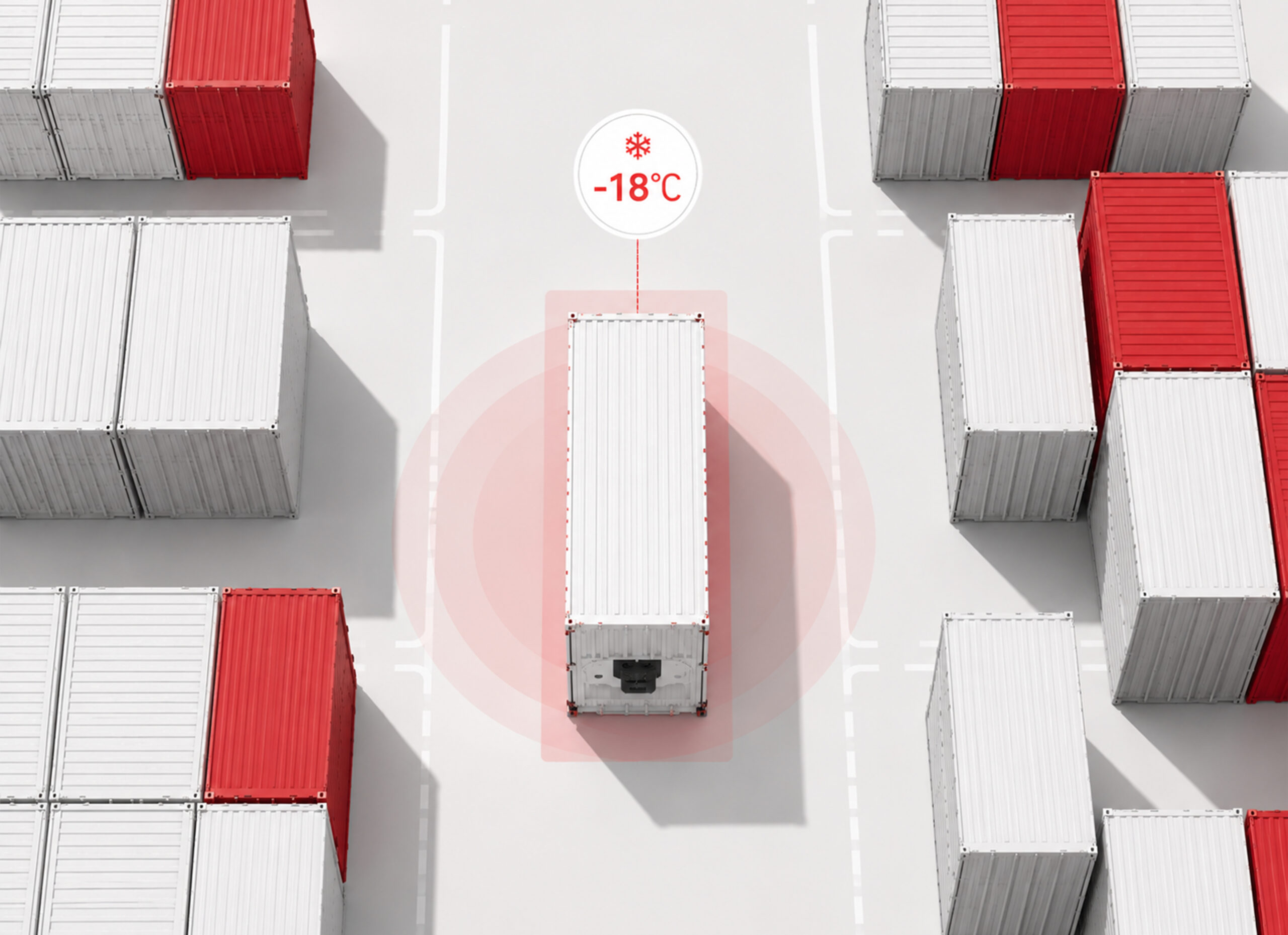
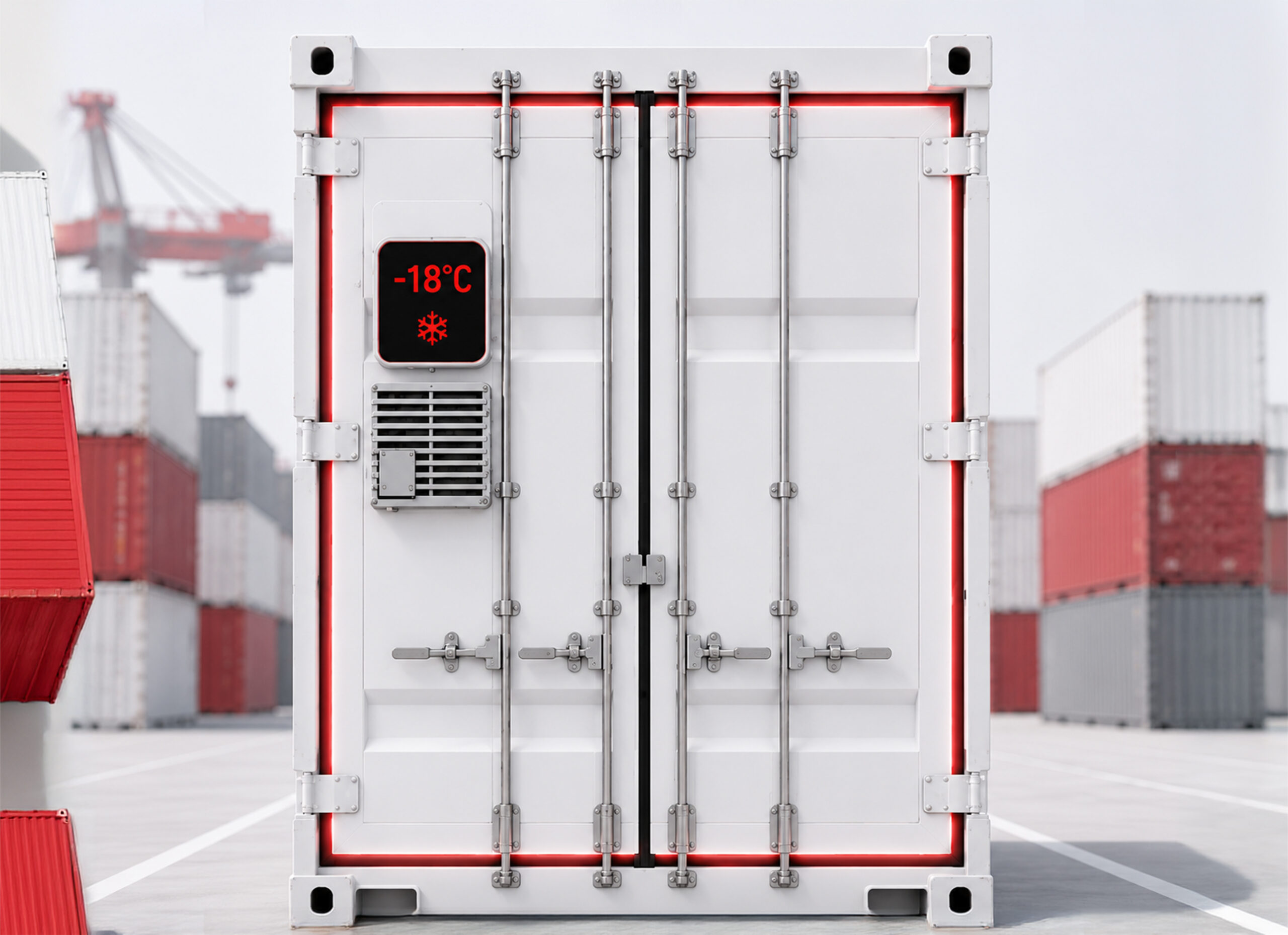
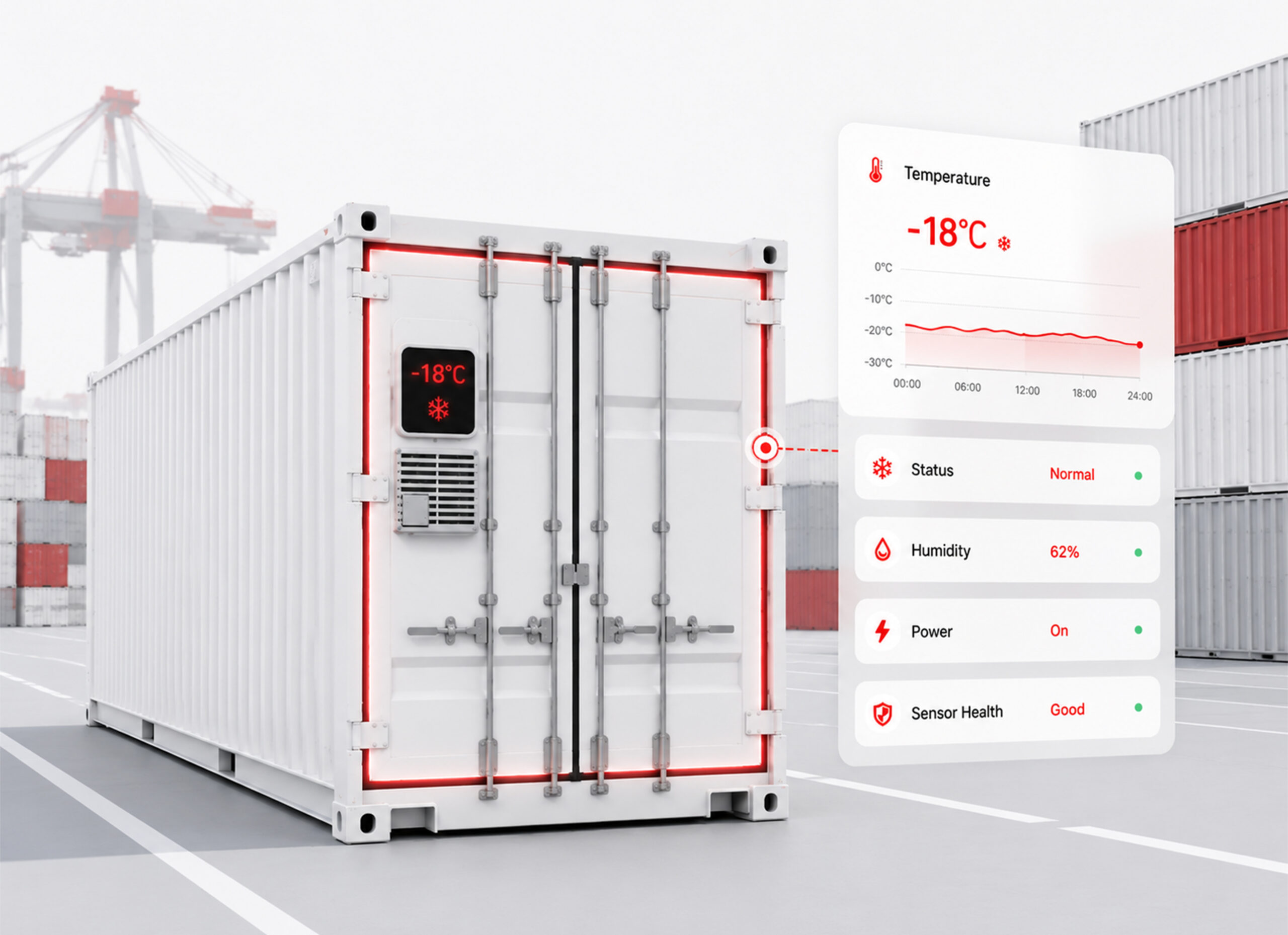
The system features exceptional gate automation and artificial intelligence damage detection capable of spotting holes, severe deformations, and dents. It provides continuous cargo handling equipment location tracking, crucial maintenance alerts, physical seal presence detection, and powerful AI-powered reefer temperature monitoring.

The smart application effectively achieves full yard digitization with absolutely zero hardware ever required. It fluidly manages gate movements, effortlessly provides real-time container details, and always executes super fast damage inspection surveys. Delivering instant digitization with strictly no capital expenditure and ensuring incredibly easy adoption across various facilities, the platform boasts an impressive eighty-four percent ease of onboarding.

Furthermore, it maintains a ninety-four percent ease of use rating. Finally, Gotilo consistently maintains a ninety-one percent time efficiency rating according to numerous satisfied customer reviews reflecting upon their vastly improved daily operational workflows and their incredibly transformed container busy yards entirely.

Until the Next Time…

This month took us from the global stages of Germany, India, and the US to the quiet clarity of absolute visibility. We explored how global volatility demands strategic resilience, moving from chaotic searching to immediate certainty, and found that true control lives at the edge.

As we conclude this monumental March, let’s carry this momentum forward- building yard operations that are not just faster, but completely proactive and precise.


How AI-Powered OCR is Revolutionizing Reefer Yard Management

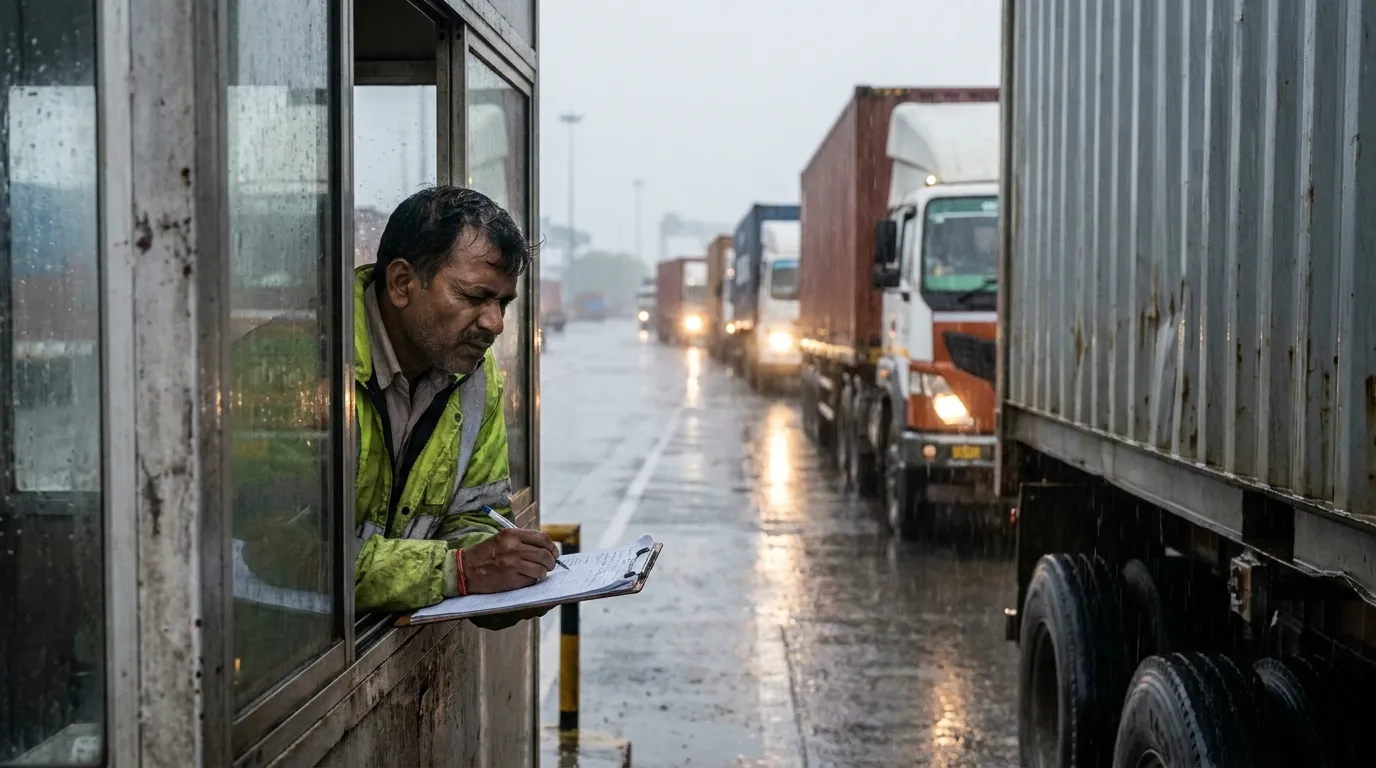
Busy container terminal at 6 AM. Trucks queuing at the gate, vessels berthing, yard equipment moving in every direction, and somewhere in the middle of all that organized chaos, a gate clerk squinting at a container number that’s half-obscured by road grime, trying to type it correctly into a system that will not forgive a single transposed digit.

TGHU3048521. Or was it TGHU3048251?

That two-second uncertainty? It cascades. The wrong container logged at entry. Misrouted in the yard. Eventually, someone spends an average forty minutes physically hunting for it. And that’s on a good day.

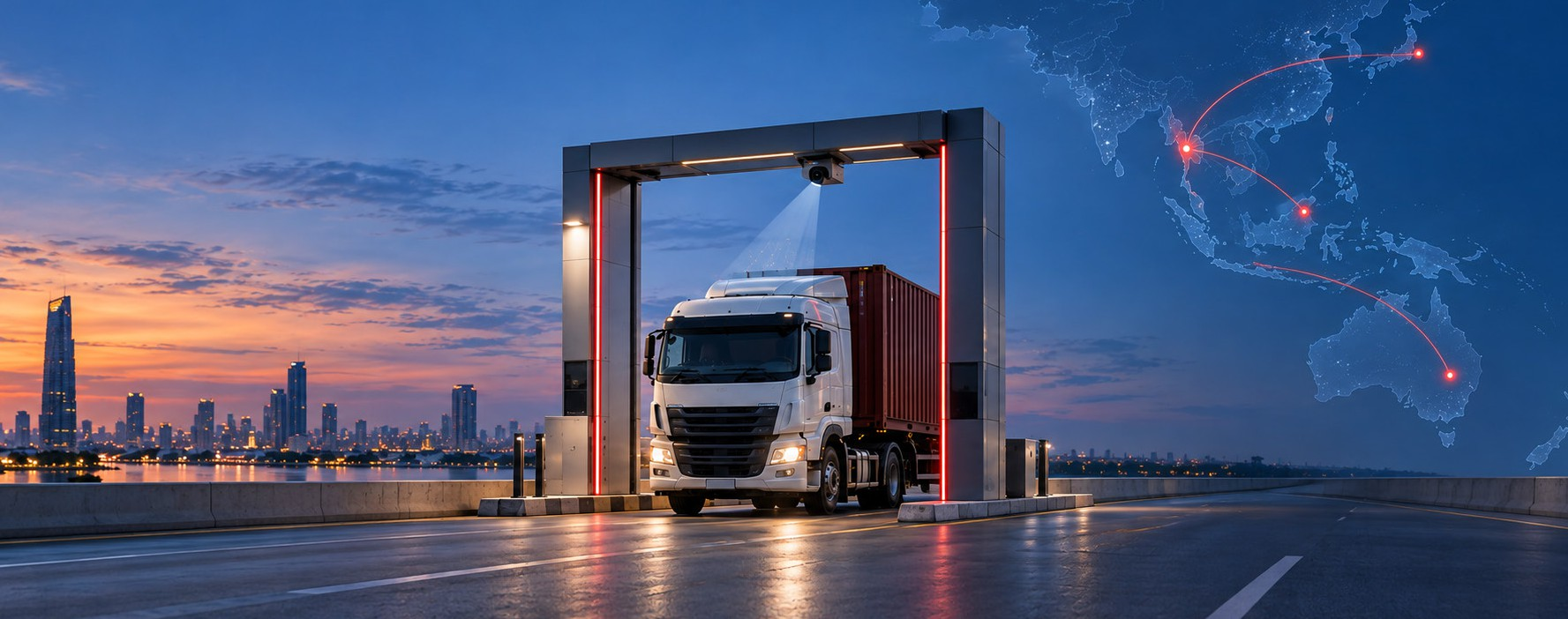
Automated container identification using AI OCR in cold chain logistics yard


The Container Number Problem Is More Stubborn Than It Looks

Here’s what’s funny. The container identification seems like it should’ve been solved ages ago. We’re talking about a standardized ISO format, painted in large characters on the side of a steel box. How hard can it be?

Turns out. Very.

Weather does a number on container markings. Paint fades, peels. Mud and rust do their thing. Lighting at a gate lane at 4 AM is rarely flattering. And the human eye, no matter how experienced the clerk is, gets tired, makes assumptions, and rushes because there are 12 more trucks in the queue, too.

Manual OCR for container identification isn’t really OCR at all. It’s pattern recognition performed by an increasingly fatigued person, and it degrades over a shift in ways that no one really wants to measure.

The error rates at high-volume terminals doing manual entry are uncomfortable to look at. Some studies have put transcription errors in the range of 1-3%, which sounds small until you multiply it by 500 gate moves a day.

What AI OCR Actually Does Differently

Let’s clear something up first, not all OCR is the same. The kind of optical character recognition that reads a scanned PDF is fairly controlled. AI OCR for logistics, especially at a container terminal gate, is a completely different proposition.

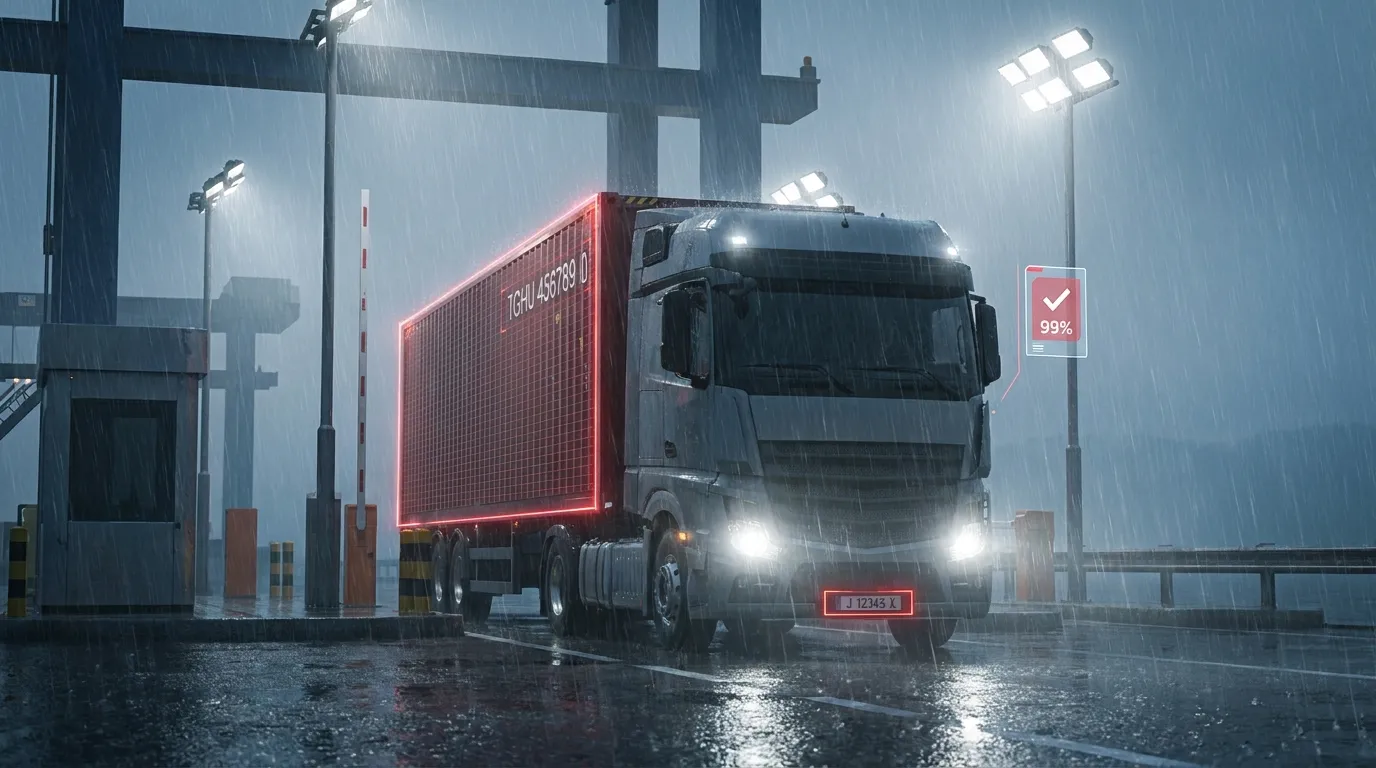
A smart system pointed at a container needs to handle: variable lighting conditions, partially obstructed characters, non-standard fonts across different container operators, angled camera positions, containers that are dirty or damaged, and still produce a confident read in under a second. Oh, and it needs to cross-validate the result against a check-digit algorithm and match it to expected arrivals in the TOS, all before the truck driver finishes rolling down his window.

That’s not simple. But modern AI-driven container number recognition OCR is genuinely doing this. Not in lab conditions. In actual yards, in rain, at night, with containers that look like they’ve had a rough crossing. The accuracy numbers, consistently above 98%, often 99%+, are the kind that make operations managers quietly emotional.

Because 99% accuracy on 500 daily gate moves is not the same as 99% accuracy on a spelling test. It’s the difference between 5 exceptions a day versus 50. Between a gate lane that flows and one that bottlenecks.

AI OCR system scanning reefer container numbers in a port yard

The Reefer Angle Nobody Fully Appreciates

Now here’s where it gets particularly interesting for cold chain operations specifically.

Refrigerated containers are temperature-sensitive, time-sensitive, and increasingly, from a regulatory standpoint, documentation-sensitive. The moment a reefer enters or exits a terminal, there’s a chain of events that needs to kick off- power connection confirmation, temperature setpoint verification, monitoring activation, pre-trip inspection scheduling. All of it depends on knowing, with certainty, which container just arrived.

If gate identification is wrong? That whole chain breaks. A reefer might sit un-powered for two hours while someone reconciles a data discrepancy. That’s not a hypothetical, it happens. Regularly. And depending on what’s inside, two hours without power can be the difference between compliant cargo and a very expensive problem.

Automated OCR for container tracking at the gate is, in this sense, the first domino in a much longer sequence. Get that right, and everything downstream becomes more reliable. Get it wrong, and you’re playing catch-up for the rest of the container’s yard stay.
Where This Actually Comes Together

This is where we want to spend some time talking about what good implementation actually looks like, because there’s a real gap between “we have AI OCR at the gate” and “we have a system that makes our yard genuinely smarter.”

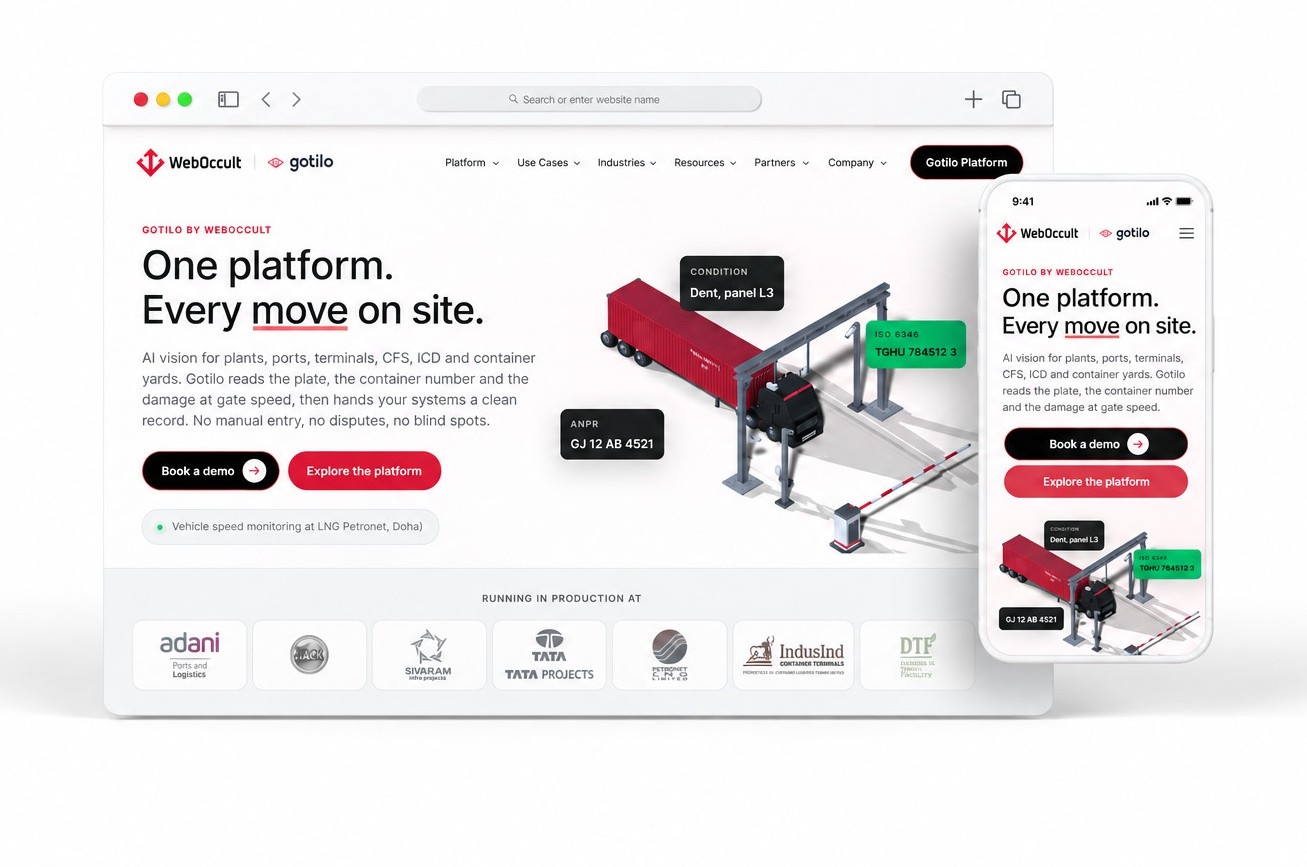
Gotilo Container, built by WebOccult, is one of the more thoughtfully designed platform. The AI-powered gate scanning isn’t bolted on as an afterthought, it’s integrated into a broader automated container yard management framework that includes real-time container search, CHE geo-tracking, yard occupancy mapping, seal detection, and the reefer monitoring we were just talking about.

Why does that integration matter? Because smart yard management is about what happens between features.

When Gotilo’s OCR reads a container number at the gate, that identification flows immediately into container search and yard positioning, so the system already knows where that box should go before the truck’s even cleared the gate lane. When it’s a reefer, the reefer monitoring module picks up the unit, associates it with the right booking, and starts tracking temperature from the moment it’s connected. Movement history is logged automatically. Occupancy maps update in real time.

That’s a meaningful operational loop. Not a series of separate systems that someone has to manually synchronize.

The Skeptic’s Corner

We want to be fair here, because we think some of the marketing around AI yard management has gotten a bit breathless.

Yes, AI OCR for logistics works well. Yes, the accuracy figures are real. But implementation isn’t plug-and-play, and anyone who tells you otherwise is either selling something or hasn’t actually been through a terminal deployment. Camera positioning matters enormously. Lighting infrastructure, in many older terminals, needs upgrading. Integration with legacy TOS platforms can be genuinely painful.

And there’s the usual organizational friction, gate staff who’ve developed their own workarounds over the years, operations managers who want to see six months of parallel running before they trust a new system, IT teams who have seventeen other priorities.

None of that means the technology isn’t worth pursuing. It absolutely is. But revolutionizing is a word that tends to describe the destination, not the journey. The journey involves some messy middle chapters.

Real time reefer yard management dashboard with AI OCR tracking containers

The Throughput Story

Here’s what the ROI conversation usually comes down to in practice: gate processing time.

A manual gate operation at a busy terminal might take 3–5 minutes per truck, depending on complexity. A well-implemented AI OCR gate, with automated number reading, document validation, and booking matching, regularly gets that down to under 90 seconds.

At 400 trucks a day, that math compounds quickly. Shorter dwell times at the gate mean less truck queuing outside the terminal. Less queuing means less congestion, fewer late fees, happier transport partners. Terminals running tight vessel windows have started treating gate automation not as an efficiency tool but as a capacity tool, because faster processing effectively expands throughput without expanding physical footprint.

That framing, OCR as a capacity expansion strategy rather than just an accuracy improvement, is a shift worth noting.


Where This Goes From Here

Honestly? The trajectory feels fairly clear, and it’s moving faster than most terminal operators expected even three years ago.

Automated container yard management is becoming a baseline expectation at major ports, not a differentiator. The conversation has shifted from “should we automate?” to “how quickly can we, and what platform do we use?” Smaller regional terminals, the ones that thought this was only for Tier 1 mega-ports, are starting to realize the economics work for them too.

The container that arrives battered and muddy at a regional terminal in the middle of the night still needs to be read correctly, logged instantly, and, if it’s a reefer, plugged in and monitored within minutes. Whether it’s moving through Rotterdam or a smaller facility, the operational requirement is the same.

Technology like Gotilo Container is making that level of operational rigor accessible without the enterprise price tag or the multi-year implementation nightmare that used to come with it.

That democratization, we think, is the bigger story here, not just that AI OCR works, but that it’s increasingly available to the operations that need it most and could historically least afford it.

The Future of Cold Chain Logistics Automating Reefer Temperature Monitoring

There’s a strawberry sitting in a warehouse in a port somewhere in Europe right now. It was picked three days ago. And if someone doesn’t know exactly what temperature it’s been kept at for the last 72 hours, that strawberry, and about 40,000 others just like it, might be quietly rotting.

Nobody talks about that part enough.

Cold chain logistics automation is not a new idea. It’s been revolving around supply chain circles for years, mostly as a promise, something consultants put in decks and logistics directors nod along to during quarterly reviews.

But actually doing it, at scale, across thousands of refrigerated containers moving between ports and rail yards and distribution centers? That’s where things get complicated. That’s where most companies still haven’t caught up.

Let us explain what we mean.

The Old Way Was Fine. Until It Wasn’t.

For decades, temperature monitoring in cold chains worked something like the following process. A technician walks up to a reefer unit, checks the display, notes down a reading on a clipboard, and then moves on. Maybe that is the data that gets entered into a system later. Maybe it doesn’t. Maybe by the time someone notices that a unit shifted to -6°C when it should’ve stayed at -2°C, the cargo is already compromised. The claim has already happened.

It was reactive. Almost and entirely reactive.

For a long time, that was acceptable? Because the alternatives were expensive. They are also technically messy, and also hard to justify to the finance teams, who didn’t want to hear about IoT sensor infrastructure, at all.

But then the things changed. Cargo values went up. Regulatory scrutiny around pharmaceuticals, biologics, and food safety got tighter and tighter. And a few painful recalls reminded everyone that we checked it three hours ago isn’t really a defense.

What Automated Reefer Monitoring Actually Changes

Here’s the thing about reefer temperature monitoring done right- it tells you what’s happening and what’s about to happen in realtime.

Modern refrigerated container monitoring systems pull continuous data streams from reefer units, temperature, humidity, power status, alarms, and feed them into dashboards that someone can actually act on. Not in three hours. Not after a port call. Now. In real time, from anywhere.

The shift is significant. Instead of a technician walking the yard with a clipboard, you have a centralized view across your entire fleet. An alert fires the moment a unit deviates from its setpoint. A maintenance team gets dispatched before the cargo is at risk, not after.

There’s also something almost underappreciated here, the data trail. Pharmaceutical shippers in particular know this well. When a regulatory body asks for proof of temperature compliance across a shipment’s entire journey, you either have it or you don’t. Automated supply chain temperature tracking gives you that proof, timestamped and continuous, without anyone having to reconstruct it from memory or partial logs.

AI Is Making This Smarter.

Automation is one thing. But AI-powered logistics monitoring is a different magic altogether.

Traditional monitoring flags anomalies after they cross a threshold. AI-based systems start recognizing patterns, a reefer unit that consistently runs warm in the afternoons (probably a compressor issue starting to develop), a container that shows erratic humidity readings in certain weather conditions, a cluster of units on the same vessel with subtly similar fault signatures.

The difference between “this unit is out of range” and “this unit will likely fail within the next 18 hours based on its behavioral profile”, that’s not a small gap. That’s the difference between a manageable intervention and an insurance claim.

Is AI doing all of this perfectly right now? No. I’d be exaggerating if I said the technology is fully mature across every use case. But in specialized environments, terminal yards, port facilities, intermodal hubs, the results have been genuinely impressive. Predictive maintenance for reefer equipment is no longer theoretical. It’s being deployed.

The Human Factor Nobody Mentions

Here’s something I think gets overlooked in all the tech enthusiasm: the human side of automation adoption.

Introducing automated cold chain monitoring into a yard operation doesn’t just change the technology. It changes workflows, job roles, and honestly, sometimes the culture. A veteran yard supervisor who’s spent 20 years trusting his instincts about which reefer “sounds funny” isn’t automatically going to trust an algorithm that tells him the same thing in a different language.

That resistance is understandable. And companies that bulldoze past it tend to end up with expensive systems that people route around.

The successful implementations I’ve seen treat automation as a tool that supports experienced operators rather than replacing their judgment. The alert tells you something’s wrong. The person decides what to do about it. That balance matters more than the technology specs.

Regulation Is Coming, Ready or Not

Let’s be direct about this: the regulatory environment around cold chain documentation is tightening, not loosening.

The EU’s stricter rules on pharmaceutical distribution, evolving FDA requirements for cold chain integrity, and growing consumer and retailer pressure on food traceability are all pointing in the same direction. Paper logs and manual checks will become liabilities. Not immediately, not for everyone, but the trajectory is clear.

Companies that invest in robust refrigerated container monitoring systems now aren’t just solving today’s operational problems. They’re building compliance infrastructure that will become increasingly necessary. Treating it as optional is a bit like waiting until you need a fire escape to install one.

So Where Does This Leave Us?

Somewhere between exciting and genuinely complicated, if I’m being honest.

The technology works. The business case, in most scenarios, is solid, reduced spoilage, faster exception response, better documentation, and the kind of operational visibility that used to require a small army of people to approximate. The ROI math usually isn’t hard to make.

What’s hard is implementation. Integration with legacy port management systems, change management within operations teams, connectivity in environments that weren’t designed for IoT, these aren’t small things. They’re why a lot of cold chain automation projects stall after the pilot phase.

A Solution Worth Watching

If you’re actively exploring this space, particularly for terminal yard operations, Gotilo Container from WebOccult is worth a serious look. It’s built specifically around the kind of integrated yard and gate automation that real terminals actually deal with: AI-powered gate scanning, container search, CHE geo-tracking, and yes, dedicated reefer monitoring. It’s not a generic IoT platform retrofitted for logistics, it was designed from the ground up for this environment. For operations teams trying to move from reactive manual monitoring to genuinely automated cold chain oversight without stitching together five different vendor solutions, that kind of purpose-built focus tends to matter a lot.

The strawberry in Rotterdam probably doesn’t care what software is watching over it. But the shipper does. And increasingly, so does everyone else in the chain.

The Real Cost of Blind Spots in Supply Chains (and How Visual Recordkeeping solves them)

At midnight, a high value shipment enters a regional logistics hub.
By morning, the factory waited for those parts to halt production.

The system shows the shipment as “received.”
The yard team insists it was unloaded.
The transporter says it left in perfect condition.

No one is lying. No one can prove anything either.

This is how blind spots quietly drain money, time and trust. And why visual recordkeeping is necessary.

Blind Spots in Supply Chain Tracking

Blind spots rarely show up as a single failure. They ripple through operations and quietly inflate costs. Production waits for parts that are “somewhere.” Customer commitments get pushed. Teams get stuck reconciling data for hours. And the actual movement of goods slows down.

With time, supply chain visibility fades. Daily work becomes reactive instead of planned.

Common outcomes include:

  • Delayed production due to unverified arrivals
  • Disputes between vendors and transporters and warehouses
  • Increased claims without clear proof
  • Higher exposure to operational and compliance risks

This is where supply chain risk management begins to break down.

Tracking Methods that do not Work anymore

Paper logs, spreadsheets and ERP updates depend on people. They only work if someone remembers to update them. When things move quickly, even small delays matter. They create gaps between actual events and the records that follow.

Advanced systems are not enough on their own. Visibility breaks down with delayed or missing data. Subjective reporting widens the gap further.

What’s missing is not technology. It is a visibility you can trust.

Evidence over Assumptions

Visual recordkeeping uses cameras and vision systems. They capture physical events as they happen. No more waiting for manual entries. The system records visual evidence instantly, with time and context.

Visual recordkeeping builds reliable documentation. Movements are supported by evidence instead of guesswork. Events are logged at a single time. And can be revisited whenever required.

A Supply Chain Story from the Field

A consumer electronics distributor handling thousands of inbound containers each month struggled with recurring damage claims. Containers were logged as “received.” But damage was often discovered during unloading.

After implementing vision-based recording at entry points, every container’s condition was visually captured on arrival.
Within weeks:

  • Disputes reduced sharply
  • Claims were resolved faster
  • Accountability became clear

This kind of shipment tracking and verification changed conversations from “who’s at fault” to “here’s what happened.”

Seeing what happens from Entry to Exit

Visual systems monitor gates and yards. Each container’s number, seal and condition are captured instantly. This strengthens logistics visibility solutions by removing manual dependency.

Key benefits include:

  • Accurate gate-in and gate-out records
  • Clear turnaround time tracking
  • Verified container movements without delay

Each event leaves behind visual proof instead of a checkbox.

Warehousing without Inventory Surprises

Inside warehouses, blind spots often come from delayed inventory updates. Movements are tracked instantly through visual recordkeeping. Arrival and movement are documented with proof. Exits are captured at the moment they happen.

Visual proof builds confidence in inventory. It sharpens planning and forecasting. And it removes the need for emergency recounts or production stoppages.

Real‑Time Visibility on the Factory Floor

In manufacturing environments, this level of visibility is a must-have. Modern plants rely on visual recordkeeping built for manufacturing operations. It is to maintain quality, uptime and safety in real time.

On the factory floor, even small delays or defects have large consequences. Visual systems monitor production flow continuously. Bottlenecks or stoppages or quality deviations occur. They are captured by visual systems. And become visible the moment they happen.

Real‑time visibility drives quicker decisions. Teams do not have to wait for end‑of‑shift reports. The result is stronger and more reliable operations.

Proof of Condition Documentation changes Everything

Damage disputes thrive in the absence of evidence. Visual systems document condition at each stage. They capture arrivals, internal moves and dispatches in real time.

Instead of opinions, teams rely on images and timestamps. Claims close faster. Trust improves across partners.

One Continuous Chain of Truth

Logistics, warehousing and manufacturing align on one visual record. That alignment removes blind spots. The result is clear and trusted visibility everywhere. Data flows as a single narrative and not fragmented reports.

This is what end-to-end supply chain visibility looks like.

Why Transparency cannot Wait

Supply chains face tighter deadlines and tougher compliance. There is zero tolerance for errors. Manual systems simply cannot keep pace.

Visual recordkeeping strengthens supply chain transparency while reducing risk and operational friction. Teams stop chasing explanations and start preventing issues.

When nothing is Invisible, everything Works

Supply chains do not fail because people do not care. They fail because too much happens without being seen.

Visual recordkeeping turns physical movement into reliable knowledge. Every shipment, every container, every step is accounted for.

When nothing is invisible, everything works better.

Learn more about Visual Recordkeeping

To explore how visual systems change the game across logistics and manufacturing… do not miss our detailed Visual Recordkeeping in Logistics and Manufacturing blog. T his is the one you need to read.

Ready to See what your Supply Chain is missing?

Visual recordkeeping brings clarity across logistics and manufacturing. So, decisions are faster, disputes are fewer and operations stay in control.

See your supply chain as it is. And start operating without blind spots. Contact us today!

How AI Vision is Transforming Operations across Industries

What ties these everyday moments together?
It all looks connected… until you notice the pattern!

Keep reading to know what?

A truck entering a manufacturing campus.
Crowds moving through a large exhibition hall.
Containers rolling past a busy port gate.
Players training across multiple tennis courts.
Employees moving in and out of shared office spaces.

Different industries. Different environments. Different pressures.

But look closer and you will find the same challenge everywhere.
Too much happening, too fast, with not enough visibility.

This is where AI in operations management has started making a real difference. Not through futuristic promises. But by quietly fixing blind spots that manual systems can no longer handle.

What follows are real examples from different industries. Machine learning and computer vision enters as a problem solvers. They deliver clarity, accuracy and control. Right where operations need it most.

Why Manual Vehicle Logs stopped working in Manufacturing

In a large manufacturing and visitor-heavy facility, vehicle movement used to be logged manually. Security teams wrote down plate numbers. Supervisors tried to separate staff vehicles from taxis. Peak-hour congestion was managed mostly through experience and guesswork.

The cracks were obvious.

Logs could be altered.
Entries were missed during rush hours.
There was no clean history of who entered, when or how often.

AI changed the nature of the task entirely.

With AI-powered vehicle tracking, cameras detect license plates automatically. Vehicles are logged as they pass through gates. Vehicle type and usage patterns were identified in real time. Entry and exit events were logged without human input.

Over time, something important happened.

Teams stopped chasing registers and fixing logs. They started spotting patterns instead. Peak hours ➡ parking needs ➡ traffic ➡ access.

Operational effort dropped sharply. Accuracy went up. And decision-making finally had evidence behind it.

Read the full case study of Automatic License Plate Recognition

Public Exhibitions that wanted Reliable Visitor Numbers

Counting heads at large events is not as easy as it looks.
“Who really showed up?”

Ticket scans do not tell the full story.
Manual counting breaks down in crowds.
Repeat visitors inflate numbers.

Without reliable data, organizers struggle with staffing. Safety planning and post‑event reporting suffer too.

This is where Unique visitor detection AI is needed.

Using computer vision, entry points were equipped to identify individuals uniquely. They also counted attendance across multiple days. The system did not just count heads. It recognized repeat visits and mapped crowd flow. Peak congestion zones were revealed.

Suddenly, organizers could see how people moved. They spotted where crowds paused and when footfall surged.

What used to be estimates turned into verified insights. And decision-making shifted from reactive to informed.

Read the full case study on Unique Person Counting in Exhibitions

Transportation and Logistics built on Automatic Container Identification

Ports and logistics hubs are unforgiving environments. Containers move fast. Lighting is inconsistent. Markings are worn out. During peak hours, even small delays multiply quickly.

Manual container data entry has long been a bottleneck.
Wrong numbers. Late updates. Inventory mismatches.

This is where AI-powered logistics tracking changed the flow.

High-speed cameras captured containers in motion. OCR models read container numbers and ISO codes. Safety markings were captured in real time. The data synced directly to centralized systems. Manual override was available only when needed.

Instead of slowing vehicles to capture information, information moved at the same speed as operations. Gate processing became smoother. Inventory accuracy improved. Audits stopped turning into investigations.

Read the full case study of Automatic Container Details Identification

Sports Academies that Train Smarter with AI Analytics

Attention is limited in competitive sports environments. Coaches manage multiple players across multiple courts. Not every movement can be tracked manually. Subtle patterns often go unnoticed.

That’s when real-time sports analytics reshaped training.

AI reviewed match and practice videos. It followed player movement, posture and shot choices. Scoring was logged without human effort. Downtime was filtered out. Only meaningful action remained.

Players did not just receive feedback. They received evidence.

Over time, training conversations became specific and not subjective. Improvement became measurable. And performance analysis no longer depended on memory or manual notes.

Read the full case study of AI-Powered Tennis Analytics

Retail and Workspaces that understand how People use Space

Shared office spaces and retail environments often struggle with:
“How efficiently are we actually using this space?”

Manual checks do not scale. Badge data does not show desk-level usage. And assumptions lead to overcrowding or underutilization.

Visual systems began tracking desk occupancy in real time with AI-powered workforce management. Not people’s identities, just usage patterns.

As days turned into weeks, clear patterns appeared. Frequent idle zones, overuse and time‑driven congestion were revealed.

This helped teams optimize layouts. Resources were managed more effectively. Productivity was balanced without intrusive monitoring.

Read the full case study of Employee Occupancy Detection

The Common Thread across all these Use Cases

Different industries. Different goals. But the same transformation.

AI did not replace people. It replaced blind spots.

Industries everywhere adopted machine learning and computer vision. Be it manufacturing and government events or logistics and sports. Machine learning and computer vision turned physical activity into reliable data. Decisions became faster. Errors reduced. Accountability improved.

This is what modern AI in operations management looks like in practice.

Not flashy dashboards. Not buzzwords.

Just operations that finally see what’s happening while it’s happening.

When Operations can see Clearly, Everything Changes

Efficiency improves not because teams work harder. But because they stopped guessing. Risk reduces not because processes slow down. But because evidence appears earlier.

Whether it is AI-powered vehicle tracking or unique visitor detection AI or AI-powered logistics tracking or real-time sports analytics or AI-powered workforce management… the outcome is:

Operations move from reaction to control.

And once visibility is built into the system, improvement becomes continuous.

Look at Real-World AI Use Cases across Industries

Each of these use cases solves a very real problem. If any of them feel familiar… then it is worth exploring them deeper.

Browse the full list of AI vision case studies and operational solutions here.

Because once you can see what’s really happening, running operations becomes a lot simpler.

WebOccult Insider | Jan 26

When Vision entered the Yard

Gotilo Container (JACT) | Mundra Empty Yard & CFS

At Mundra Empty Yard & CFS, Gotilo Container (JACT) A Smart Cargo & Gate Automation System was deployed. It automates container identification, inspection and yard movement through Vision AI.

Across a 25,000+ container yard, JACT brought order to one of logistics’ most time-critical environments. Manual entry and inspection gave way to automated flow. Visibility replaced assumption. Turnaround time improved without added complexity.

Objective

In large container yards, delays often stem from repetitive manual checks, fragmented data and limited real-time visibility.
The objective of deploying JACT was clear:

  • Eliminate manual entry and inspection at the gate
  • Reduce vehicle and container turnaround time (TAT)
  • Strengthen compliance, audit readiness and operational accuracy

To achieve this, JACT was implemented across two operational pillars: Gate Automation and Yard Operations Monitoring.

Game Automation Module

1.  Automated OCR-based Container Identification

JACT uses Vision AI at the gate to automatically capture Container ID, ISO codes, weight, tare, payload, and seal presence. Data syncs in real time to the Gotilo AI dashboard and integrates seamlessly with TOS and YMS via secure APIs.

  • Benefits: No manual entry | Reduced wait time | Compliance & audit readiness

2. Container Damage Detection

Five-sided inspection (top, front, rear, both sides) detects rust, dents, holes and deformations. Each damage is mapped to the container ID, tagged by severity (minor, moderate, critical), and backed by photographic evidence.

  • Benefits: No manual inspection | Faster gate operations | Verifiable records

Yard Operations Monitoring

1.  Container Geo-Location & Tracking

JACT tracks container movements using GPS, displays a live yard map, records journey and dwell time. It supports multiple equipments and triggers geofencing alerts for unauthorized movement.

  • Benefits: Fewer misplacements | Faster container search | Better equipment planning

2. Vehicle Activity Tracking

Real-time visibility of vehicle status (active, idle, loading), utilization heatmaps, overspeed and idle alerts, and geofencing-based movement control.

  • Benefits: Lower fuel consumption | Higher productivity | Reduced maintenance costs

How Gotilo Container works?

Turning observation into operational clarity

  • Sees every Container :- Gotilo uses Vision AI and OCR to capture container IDs, condition, movement and location automatically, without manual intervention.
  • Thinks in Real Time :- All gate and yard data flows into the Gotilo AI platform, where it is analysed instantly for visibility, alerts and operational insights.
  • Connects the Ecosystem :- Gotilo integrates securely with TOS, YMS and port systems by enabling seamless data exchange across terminals, yards and logistics partners.
  • Acts before Issues happen :- From damage detection to geofence violations and dwell delays, Gotilo flags risks early by helping teams act faster and smarter.

AI for Industry & Public Good

The India AI Impact Summit 2026, led by PM Modi, promotes responsible AI adoption. This is across industries that are emphasising efficiency, compliance and ethical standards.

Gotilo Container aligns with this vision is proving that AI can be both operationally powerful and trustworthy in real-world environments.


From the CEO’s Desk

While walking through… I saw the friction points. They were gate queues, manual checks and missing visibility. That’s where Gotilo Container steps in by turning every container and vehicle movement into real-time insight.

At CES & NRF 2026, seeing Gotilo in action reinforced that the future of AI is not complexity. It is the seamless presence of machines that see, analyze and act by empowering humans instead of adding steps.

With initiatives like India’s AI Impact Summit 2026, it is clear the world is aligning toward responsible and practical AI. For us, the mission is making every implementation intelligent, ethical and impactful from yards to retail floors.


Exhibitions

Gotilo Spot spotted at NRF and CES

CES 2026 | Las Vegas, USA

There’s something unique about watching AI in a live environment. At CES, our deployment-ready Vision AI pipeline demonstrated how edge-optimised systems can deliver accuracy, speed and tangible business outcomes. From logistics to production floors, every demo highlighted that AI is no longer experimental. It is ready to perform in real-world operations.

NRF 2026 | New York City, USA

At NRF, the focus was retail. Attendees explored Gotilo Spot live at our booth, seeing how Vision AI transforms everyday operations. From monitoring compliance to tracking footfall and hazards, WebOccult’s solutions showed that AI does not just observe… it enhances decision-making and efficiency on the spot.


The Hidden Value of Visual Recordkeeping in Logistics and Manufacturing

7:45AM at a busy automotive parts manufacturer.

A delivery truck arrived at the dock. Usually, supervisors would take 10 minutes to scan paperwork. They’d also be keying in data. Instead, a camera quietly recorded the container ID, logged upon its arrival. And it tagged the shipment to a specific production line. All without a single human keystroke

No queues. No guessing. No late logs. Just clear and visual evidence of what happened.

This moment highlights something most companies overlook. Visual recordkeeping in logistics and manufacturing is not just a “nice to have.” It is quickly becoming an important part of reliable operations.

Why Traditional Recordkeeping falls Short

For decades, industries have relied on manual logs for a long time. They have also depended on paper trails and spreadsheets. In logistics, a worker might check off every container movement by hand. In manufacturing, quality auditors might walk the line and record defects in clipboards.

But a truth no one likes to admit is:

  • Humans get tired.
  • Eyes miss details.
  • Paperwork lag creates blind spots.
  • Disputes arise from “I thought it was done.”

Manual systems are built on memory and assumptions. They are reactive. And in fast‑paced environments, that gap between what happens and what’s recorded grows quickly. And it becomes a serious risk.

This is where AI vision recordkeeping systems change things.

What is Visual Recordkeeping anyway?

Visual recordkeeping uses cameras and computer vision for logistics visibility and manufacturing oversight. Instead of relying on someone to write or type information… a system sees and records what happens directly. It records with timestamps, images and context. That data stays in the digital record forever.

This means:

  • Every event has proof
  • Nothing is left to memory or interpretation
  • Audits become factual, not argumentative

And best of all is that it works in real time.

Warehousing without Delays

200,000 sq. ft. Warehouse. Think of that warehouse storing electronics components for a major manufacturer. In the old system, warehouse staff walked aisles to record stock levels. They updated the system at the end of each shift. By then, dozens of transactions were unrecorded. This led to errors.

With an AI vision recordkeeping system, cameras mounted at entry points and key aisles automatically track:

  • What arrived
  • What moved where
  • What left
  • What’s missing

Nothing is manual. The system updates real‑time inventory tracking with AI. This gives managers clarity every second of the day.

There will be no more “we thought we had 50 units which turns out we had 30.” No more guessing. Only data you can trust.

The Value of a Visual Audit Trail in Logistics

AI container OCR recordkeeping

In logistics, disputes are common. A container arrives. Damage is noticed later. Everyone blames someone else. Without proof, arguments increase and costs rise.

That is why visual audit trail logistics is not a record. It is accountability.

Instead of a worker saying, “I think the seal was fine.” Systems using AI container OCR recordkeeping capture:

  • The container number with image proof
  • ISO codes and seal presence
  • When and where the container entered
  • What it looked like at each checkpoint

This is not surveillance. It is visibility built on evidence. And it prevents hours wasted in debates or calls or reworks.

How Visual Recordkeeping transforms Manufacturing

Now shift from logistics to the factory floor. In manufacturing, mistakes are expensive. One misaligned part can trigger a recall. One missed defect can cost a reputation. WebOccult’s smart manufacturing solutions bring precision, speed and real-time insights to your floor. Learn more about our manufacturing solutions here.

Here’s how visual recordkeeping helps:

1. Quality Control that sees what Humans don’t

Human inspectors are invaluable. But even the best can miss minute defects. WebOccult’s AI systems use computer vision for manufacturing quality control. They are to inspect parts at machine speed. They catch flaws that escape the human eye.

On an electronics board assembly line, as many as 500 units move through each hour. Traditional inspection methods catch roughly 85% of defects. Defect detection improves with AI vision. That means less rework and fewer warranty claims.

This is how factories meet rising customer expectations without increasing staff.

2. Production Line Monitoring you can Trust

If a machine goes idle for 15 minutes. Or if a segment of the line slows down. The system detects it immediately. Cameras and sensors feed visual data into analytics. So, operations managers know exactly where delays happen.

Real‑world impact? A consumer appliances manufacturer reduced line downtime by 40% in 90 days. They achieved this after implementing vision‑based monitoring. The change meant they no longer waited for shift reports. Problems were visible at the moment they happened.

3. Worker Safety Gets a Boost

Safety incidents are not only tragic. They are costly. Vision systems can monitor hazards. They detect unsafe behavior and restricted areas. And they alert teams instantly. One site saw notifications for spill hazards and unauthorized machine access. Response times were cut almost in half.

Here, visual recordkeeping in manufacturing becomes a proactive partner in safety.

Logistics + Manufacturing Visibility

In many operations, logistics and manufacturing are separate silos. But both traditions struggle with the same core issues:

  • Missing data
  • Manual errors
  • Delayed reports
  • Disputes over what happened

When systems record visual evidence instead of typed entries, the whole ecosystem becomes more reliable.

Consider a plant receiving components from multiple vendors. With visual recordkeeping:

  • Every incoming container has time‑stamped images
  • Products are verified before unloading
  • Any mismatch triggers an alert
  • Downstream lines only get what’s confirmed

From the yard to the factory line, the story of every part is clear.

Container Tracking with Visual Records

Container Tracking with Visual Records

In logistics hubs, manual logs track every container event. Gate‑in, gate‑out and movement entries can lag or go wrong. That means records may be late or incorrect. Instead, visual systems read container IDs and log them automatically.

This brings clarity to:

  • Turnaround times
  • Yard utilization
  • Asset location at any moment
  • Compliance documentation

And because this visual record is tied to real timestamps and images, disputes over lost or damaged goods are easier to resolve. Operations become predictable instead of reactive.

What this means for your Bottom Line

You may be thinking that all this sounds valuable. But does it justify investment?

Here’s a reality check:

  • Less manual paperwork = fewer errors
  • Real‑time monitoring = faster decisions
  • Visual proof = fewer disputes and rework
  • Automated quality control = better products

In aggregate, these benefits do not just save money. They create competitive advantages.

If followed you will be saying that “We stopped guessing what happened last Tuesday. For the first time, we knew.”

That’s the whole point of visual recordkeeping.

Why right now is the Moment for Change

Industries everywhere are pushing for faster delivery. They also demand higher quality and better traceability. Customers expect zero defects. Logistics partners demand transparency. Regulators want compliance proof.

Traditional approaches cannot keep this up.

With tools like computer vision for logistics visibility and AI‑powered manufacturing monitoring, teams no longer chase problems. They prevent them.

And because these systems are learning and improving every day, the value you capture compounds over time.

Make every Move Matter

In logistics and manufacturing, the difference between chaos and confidence is clarity. Visual recordkeeping gives you that clarity. Every container, every component, every step of your process is recorded. It is even verified and actionable. The goal is to stay in control, prevent mistakes before they happen and make smarter choices instantly.

Ready to transform your operations? WebOccult’s vision systems bring clarity you can trust. They make your operations more efficient. And keep every floor and yard free of surprises. See it in action. Start making every move count.

Request a Demo Today

Whatsapp Img