



















Certified information security and AI. Your Data secured and Private to you.
Talk with us
Track pollution in real time and take counter measures.
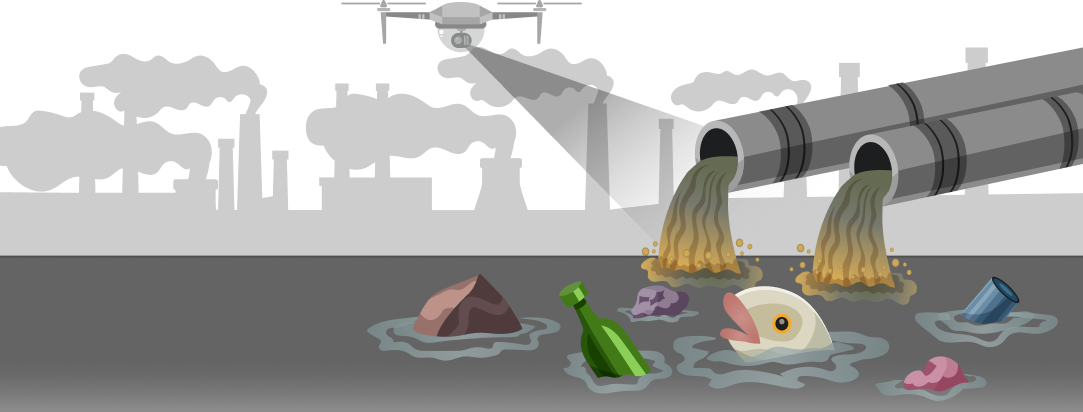
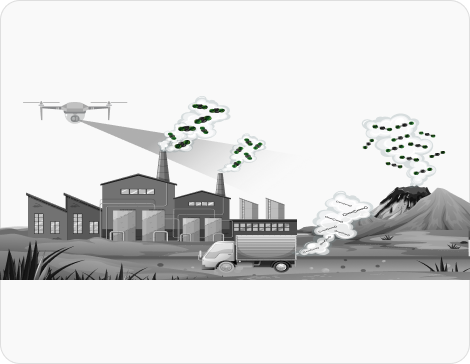
Keeping track of air, water and land pollution in industrial, urban and natural environments. It is necessary for many organizations. This can be effectively done using a pollution monitoring system powered by computer vision and AI by leveraging real-time data from sensors, cameras and satellite images. It is to take proactive steps for pollution reduction with environmental monitoring solutions.

Traditional monitoring methods cannot provide real-time data. Also, it cannot provide location-based data on pollution.

The Pollution detection system continuously analyzes environmental data and identifies pollution sources and hotspots instantly.

Without efficient tracking, industries struggle to adhere to pollution control norms.

Ensure regulatory compliance by detecting excessive emissions and discharges in real time through air quality control system integration.

Delayed identification of pollution spikes can lead to significant environmental damage.

Our smart air quality monitoring setup provides real-time notifications when pollution levels exceed safe thresholds.

Lack of precise data makes it difficult for organizations to implement pollution control measures.

AI analytics support industrial water pollution control, water quality monitoring and contamination detection to help industries, municipalities and researchers develop targeted pollution reduction strategies.
Pollution monitoring is important for environmental authorities. It is also important for organizations working to maintain environmental quality and public health.
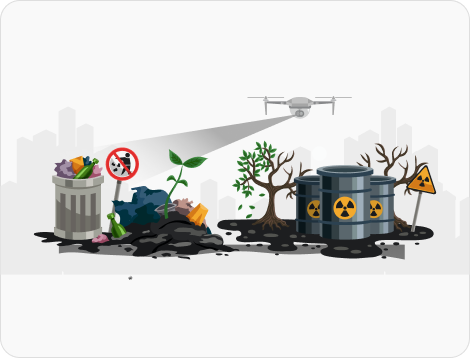


Gather data from IoT sensors, satellite feeds and camera networks for real-time monitoring.

The AI model is trained to recognize pollution sources, chemical compositions and perform precise contamination detection.

Enable 24—7 surveillance with instant alerts. It is when pollution thresholds are exceeded.

Use AI insights to ensure compliance and implement targeted control strategies.
Stay updated with the trending and most impactful tech insights. Check out the expert analyses, real-world applications, and forward-thinking ideas that shape the future of AI Computer Vision and innovation.
Three months after the incident, the assessor sits across from Meera, the operations manager, and slides a form over the desk. She is ready for questions about helmets, about whether the supervisor was present, about protocol. He asks none of them. He asks one thing instead: show me the footage. Meera’s yard runs safety well. […]

CEO & Co-founder
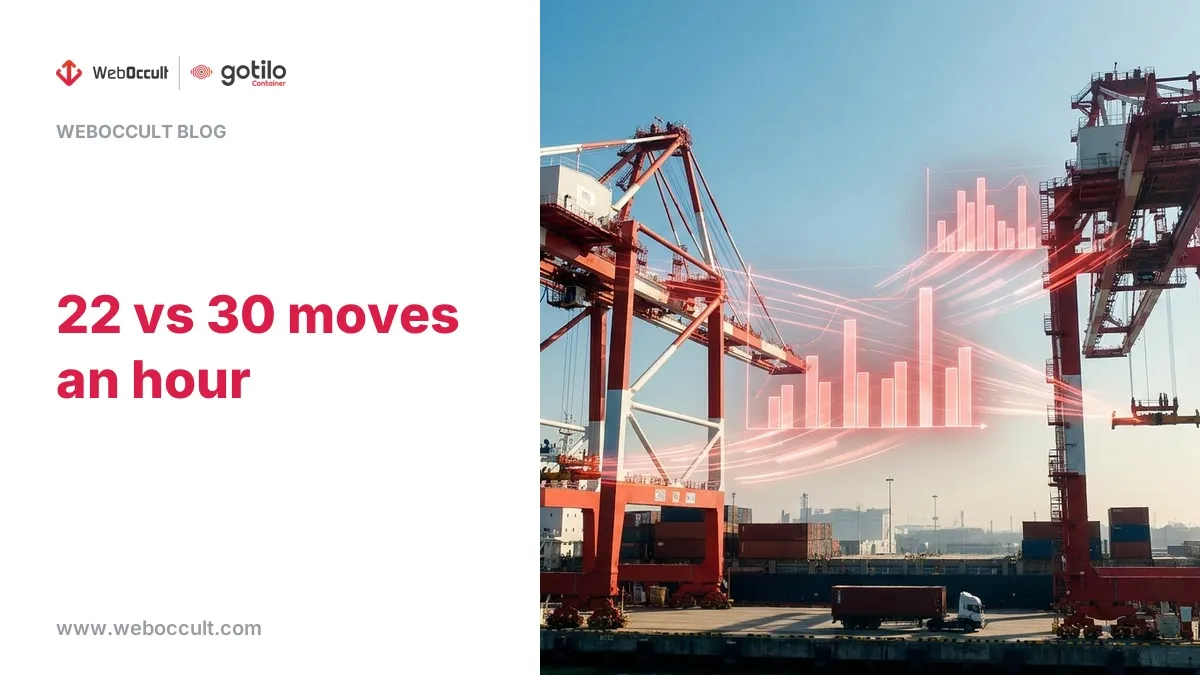
Deepak runs operations at a mid-size terminal, and one number has bothered him for a month. Two ship-to-shore cranes, side by side. Same model, same year, same maintenance schedule. Crews rotate between them every shift. One averages 22 moves an hour. The other averages 30. He sends a maintenance team over the slow one. They […]
CEO & Co-founder
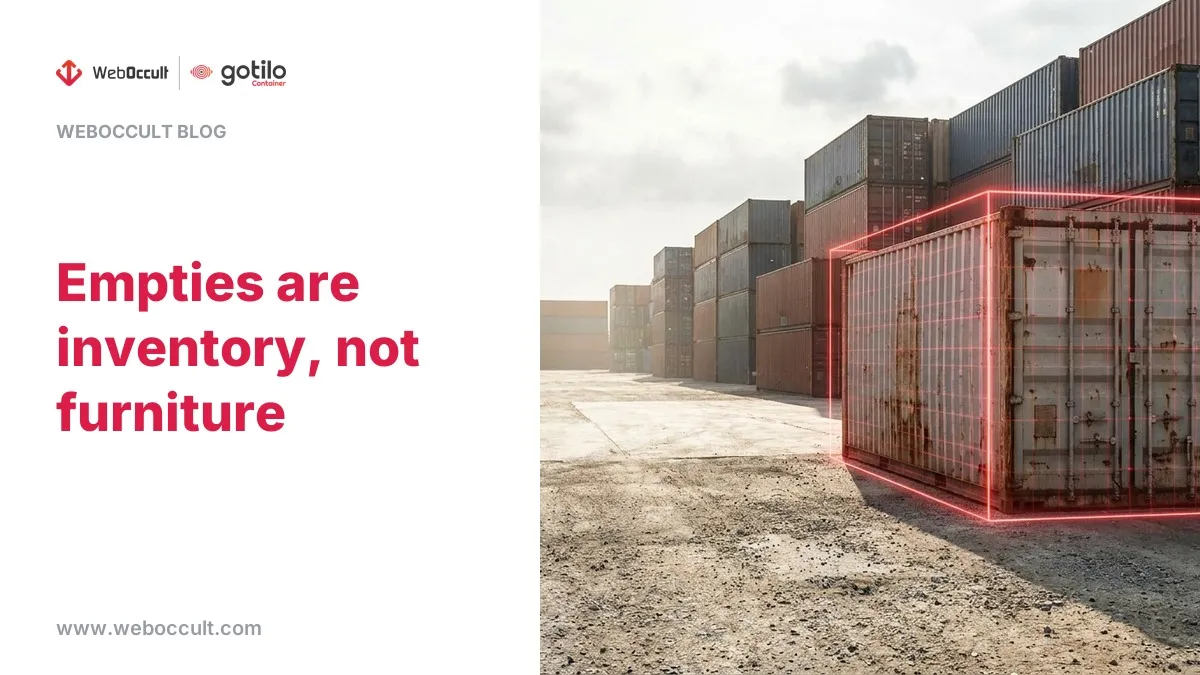
Pravin has run the empty depot for nine years, and he will tell you he knows every box in it. Then he walks you to the far corner, points at a container furred with dust, a small spider web in the corner casting, and goes quiet. It came in months ago. Nobody remembers the booking. […]
CEO & Co-founder
