






















Certified information security and AI. Your Data secured and Private to you.
Talk with us
Detect micro-defects, ensure quality, and reduce wastage with precision AI vision.
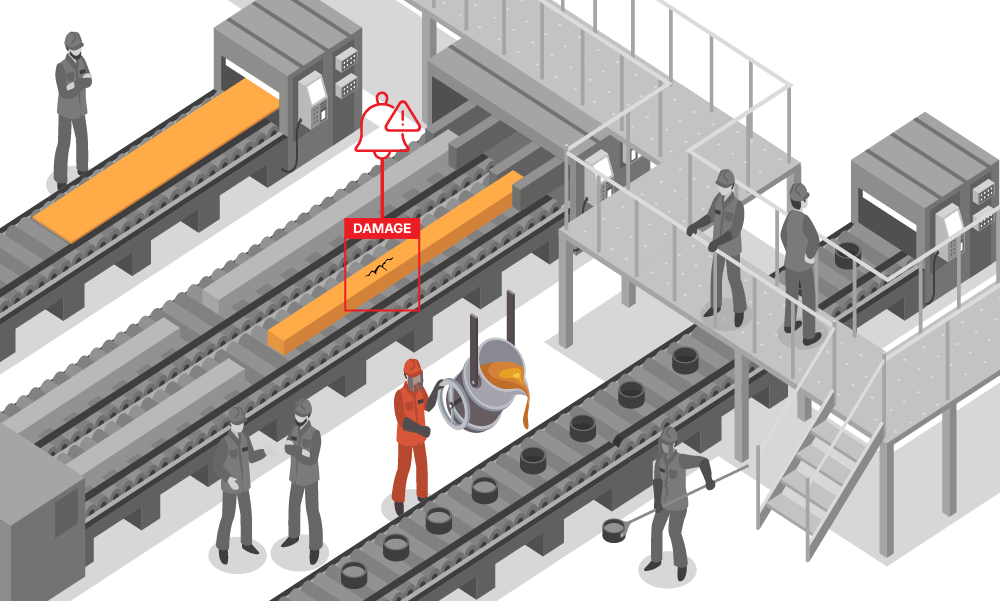
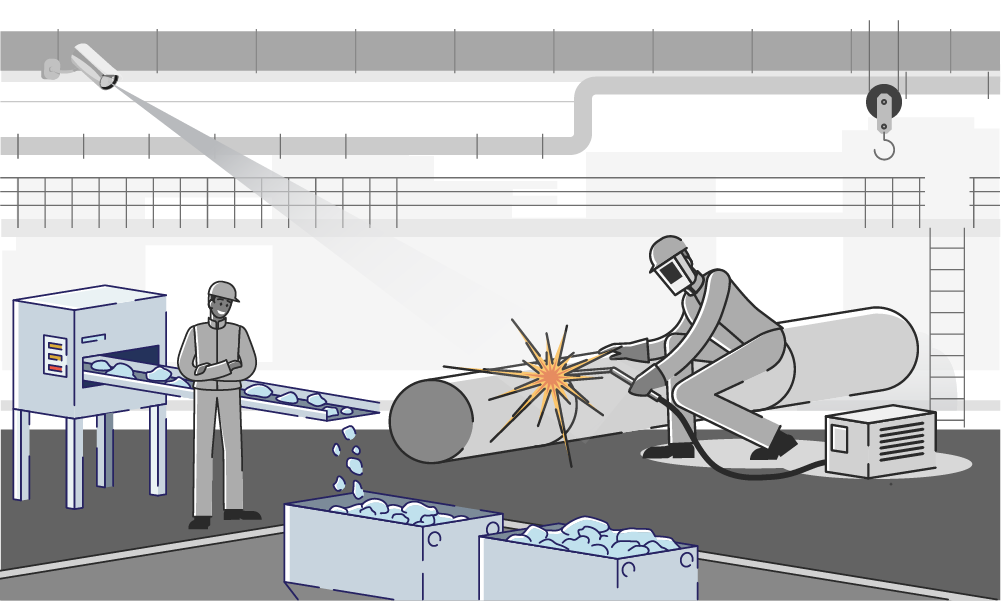
Surface Defect Detection powered by AI computer vision transforms quality control in the steel industry. It automatically scans hot and cold rolled surfaces to identify cracks, scale, pinholes, laminations, dents, or scratches in real time, well before they move further in the process.

Surface flaws like pinholes, cracks, or inclusions often go unnoticed during visual inspections, leading to high rejection rates later.

Human-led surface checks are inconsistent, prone to fatigue, and may vary across shifts or lighting conditions.

Defects are often caught too late, after finishing or packaging, wasting time, effort, and material.

Manual checks or re-inspections cause bottlenecks, slowing down continuous steel production.

Captures ultra-clear visuals of steel surfaces to detect even the smallest of irregularities in real time.

Deep learning models trained to identify, categorize, and prioritize various surface defects instantly.

Operators receive instant notifications with defect type, location, and severity, enabling fast action.

Easily deployable on existing production lines without disrupting the process or requiring infrastructure overhaul.
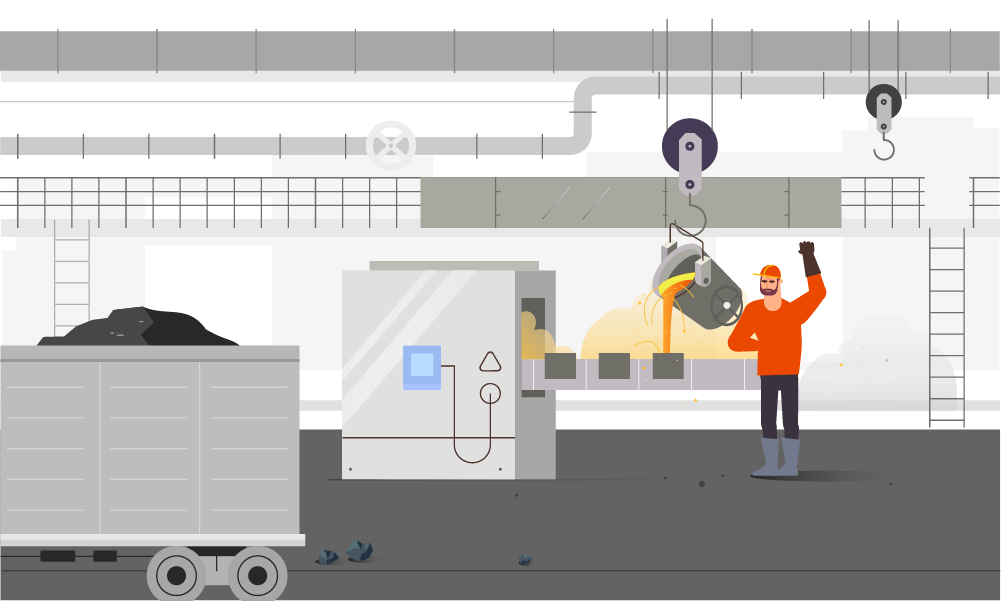
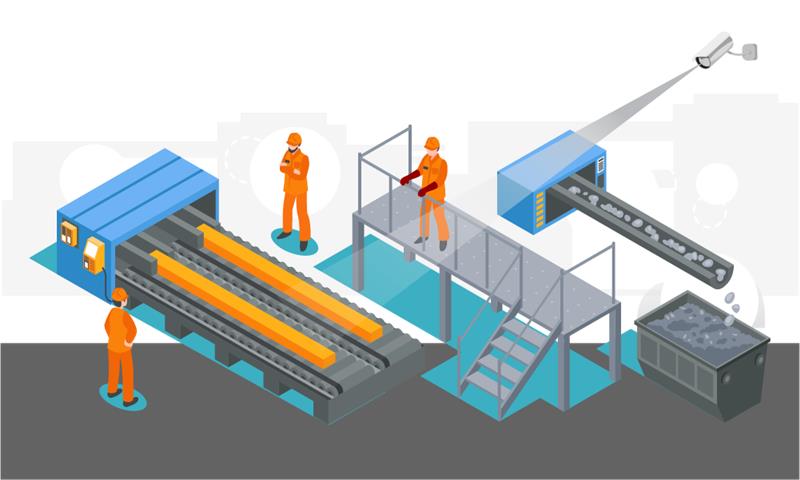

Before cameras are placed, our team works closely with your QA and production heads to identify key defect-prone zones in your process, from roughing to finishing stages.

Unlike container OCR or standard object detection, steel surfaces require adaptive camera calibration to handle hot metal glare, scale, and high-speed movement. We tune exposure, frame rate, and sensor placement accordingly.

Using your past defect data (images, logs), we build a steel-grade-specific model that understands localized terminology and defect variations, whether its centerline cracks or transverse marks.

The model is installed alongside your HMI or MES systems. We enable shift-level visibility, automatic tagging for rework, and live dashboards. Testing is done under real heat-load, ambient light, and line-speed conditions.
Stay updated with the trending and most impactful tech insights. Check out the expert analyses, real-world applications, and forward-thinking ideas that shape the future of AI Computer Vision and innovation.
Three months after the incident, the assessor sits across from Meera, the operations manager, and slides a form over the desk. She is ready for questions about helmets, about whether the supervisor was present, about protocol. He asks none of them. He asks one thing instead: show me the footage. Meera’s yard runs safety well. […]

CEO & Co-founder
Deepak runs operations at a mid-size terminal, and one number has bothered him for a month. Two ship-to-shore cranes, side by side. Same model, same year, same maintenance schedule. Crews rotate between them every shift. One averages 22 moves an hour. The other averages 30. He sends a maintenance team over the slow one. They […]
CEO & Co-founder
Pravin has run the empty depot for nine years, and he will tell you he knows every box in it. Then he walks you to the far corner, points at a container furred with dust, a small spider web in the corner casting, and goes quiet. It came in months ago. Nobody remembers the booking. […]
CEO & Co-founder
