


















Certified information security and AI. Your Data secured and Private to you.
Talk with us

CEO & Co-founder
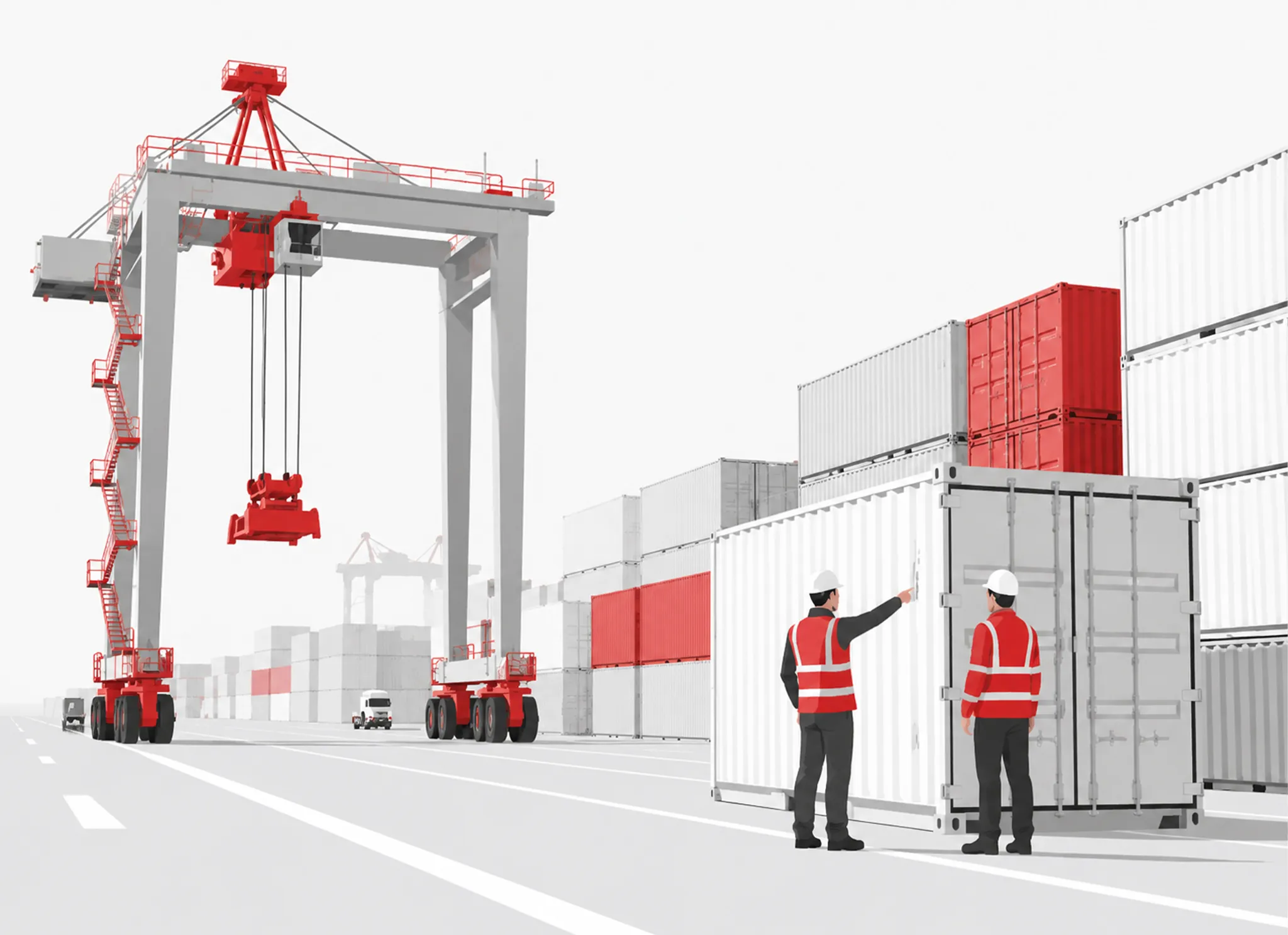
Let’s talk about the most terrifying event in terminal management: the retirement party.
Every container yard has one. That veteran dispatcher or yard manager, let’s call him Frank. Frank operates with a battered clipboard, a radio held together by duct tape, and an encyclopedic mental map of five thousand identically rusted steel boxes. When a frantic client calls looking for a specific reefer, Frank squints, points to Zone C, and somehow, he is always right. Everyone loves Frank. He is the undisputed king of the yard.
But as you hand Frank his retirement plaque and cut the cake, a cold panic settles over the management team. Frank isn’t just taking his pension; he is taking your terminal’s entire operating system with him.
When your facility relies entirely on the localized memory of a few key veterans, you don’t have a standardized process. You have a massive vulnerability. As the industry faces a wave of retirements, we are rapidly losing our most valuable invisible asset: tribal knowledge.
A business model built on hoping your lead dispatcher never takes a sick day is not a strategy. It is a gamble.
One of the most critical, yet rarely discussed Port Workforce Challenges today is the rapidly approaching retirement cliff. The veterans who built their careers navigating analog yards are leaving, and they are taking decades of hyper-specific, hard-earned knowledge out the door. They know which zones flood during a heavy storm. They know the exact idiosyncrasies of your oldest reach stacker. They know that a specific client always picks up their freight three days late, so they preemptively bury those boxes in the back.
When that knowledge vanishes, the operational vacuum is immediate and incredibly expensive.
On the Monday after Frank retires, the morning yard hunts begin. Finding a specific container goes from taking thirty seconds to taking three hours. Slow, unplanned yard movements multiply. Vehicle turnaround times spike. The new hires are suddenly forced to drive heavy machinery in frantic circles because they don’t possess the mental map of the departed yard whisperer.
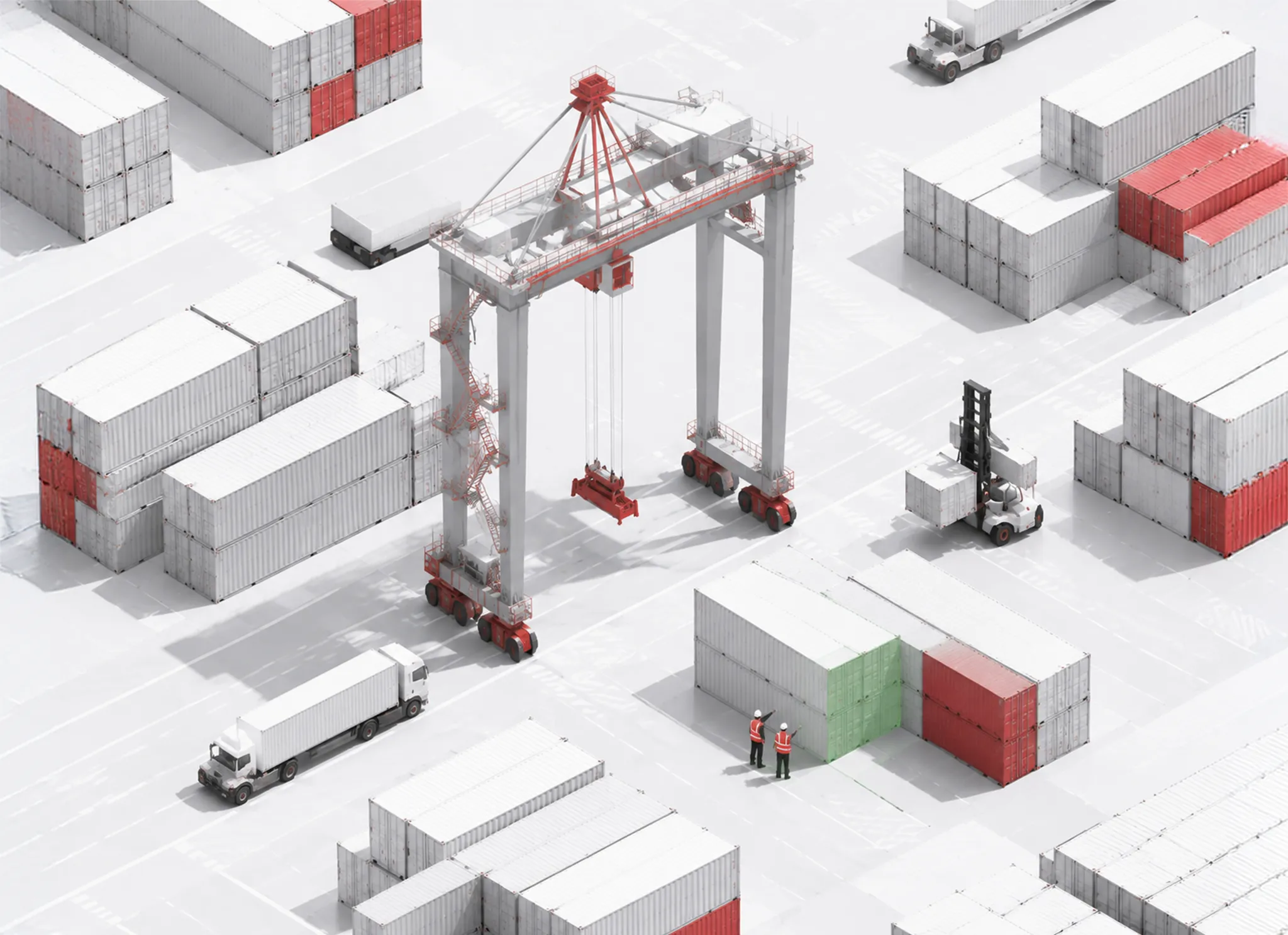
We have to face the reality of the modern Logistics Workforce. The incoming generation of dispatchers and yard operators are digital natives. They grew up with supercomputers in their pockets and real-time GPS tracking on their food deliveries.
If you hand a twenty-two-year-old new hire a paper spreadsheet and ask them to memorize the locations of three thousand moving steel boxes, they aren’t going to respect the old school grind. They are going to quit.
This is where the concept of Workforce Digitization fundamentally shifts. It is not about replacing human workers with cold, unfeeling machines. It is about backing them up. It is about taking the brilliant, chaotic, analog intelligence locked inside the heads of your veterans and translating it into a universally accessible digital format. You are effectively cloning your best operator’s brain and putting it into the hands of every single person on your payroll.
The goal is to transition from relying on human memory to operating with true Operational Intelligence.
When you digitize your yard, the reliance on tribal knowledge evaporates. The new hire doesn’t need to guess where a container is buried. They simply type the container ID into a smart app, and the system finds it in under one second. The software maps the yard, flags the maintenance status of the handling equipment, and tracks the exact yard occupancy down to the individual TEU.
Effective Yard Operations Management demands a system, not a savior. If the entire operational rhythm of your terminal crashes because one person went on vacation, your infrastructure is broken. A smart system democratizes the data. It ensures that the person who started on Monday has the exact same visibility, accuracy, and confidence as the veteran who has been there for thirty years.
How do you actually capture this knowledge before it walks out the door? You implement a system that learns the yard for you.
Through intelligent Logistics Process Automation, the heavy lifting of data entry is removed entirely from the human equation. You deploy AI-powered gate automation that instantly logs license numbers, ISO codes, and weight details the second a truck rolls in. You use visual AI to conduct super-fast damage inspection surveys, permanently logging the structural integrity of a box without requiring a human to walk the perimeter with a pen.
You give your handling equipment a digital tether, using active CHE tracking to map out the smartest, most fuel-efficient routes across the concrete. The software learns the patterns. It flags the bottlenecks. It records the exact container turnaround times.
It takes the invisible, chaotic mess of terminal logistics and turns it into a crisp, color-coded dashboard.
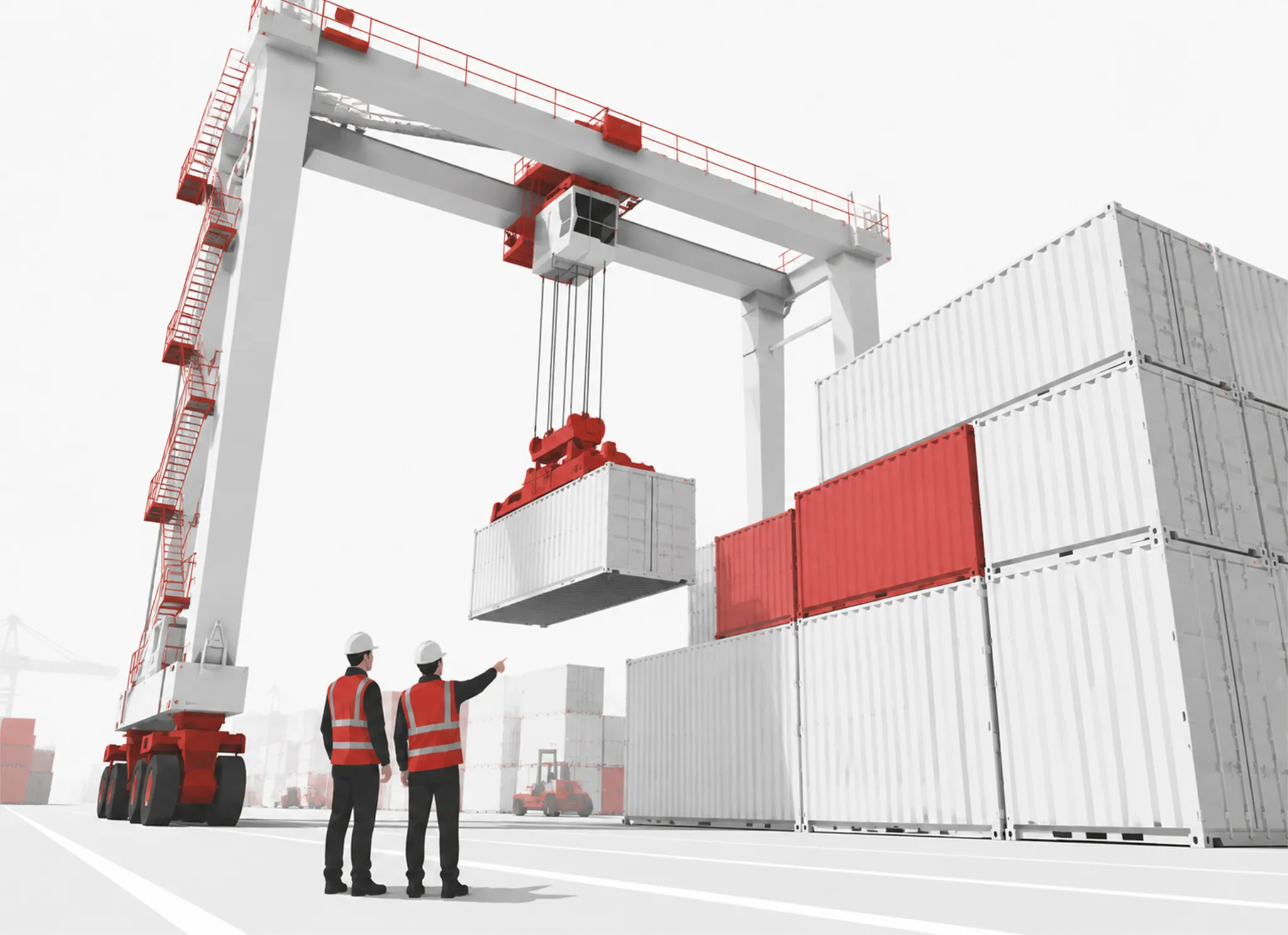
Tribal knowledge is beautiful, but it is ultimately fragile. The logistics industry is moving entirely too fast to rely on folklore and mental maps. The terminals that thrive in the coming decade will be the ones that recognize the vulnerability of undocumented expertise and take immediate steps to digitize their ground game.
You don’t need a bigger yard. You need a smarter grid.
As a dedicated software partner, WebOccult understands that technology must empower the people on the ground. Gotilo Container was designed specifically to bridge this gap. By offering a smart, app-based solution with zero CAPEX required, Gotilo acts as the ultimate on-site assistant. It secures your operational data, eliminates the morning chaos, and ensures that everyone on your team has 360-degree visibility, every single shift.
Stop gambling your efficiency on human memory. Protect your terminal’s future today.
Ready to secure your operational intelligence? Empower your workforce with the Gotilo Container solution. Visit www.weboccult.com or contact our team to see how a true software partner can transform your yard.