




















Certified information security and AI. Your Data secured and Private to you.
Talk with us

CEO & Co-founder
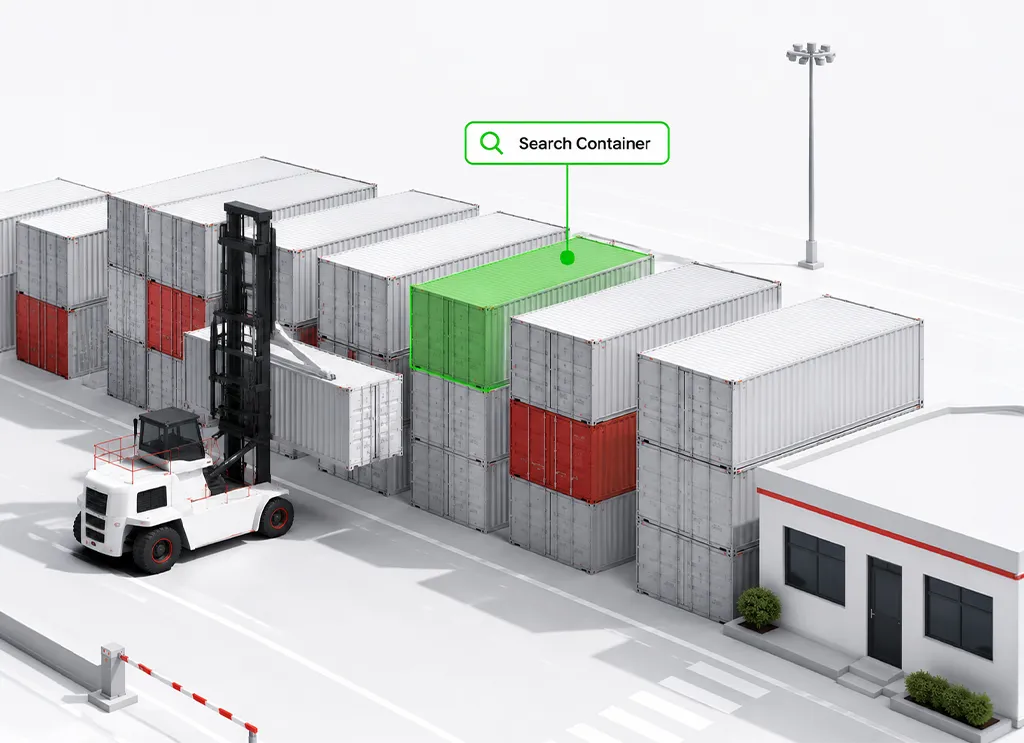
Let’s be honest for a moment. Nobody gets into the logistics business because they love playing high-stakes hide-and-seek. Yet, if you walk into a typical terminal on any given Tuesday morning, that’s exactly what you’ll find.
It’s 6:00 AM. The coffee hasn’t quite kicked in. Your lead dispatcher is staring at a battered clipboard, trying to figure out how a 40-foot, multi-ton steel box just vanished into thin air. A truck is idling at the gate, the driver is losing his patience, and your reach stacker is doing laps around the facility burning expensive diesel.
It’s exhausting. It’s chaotic. And worst of all, it’s completely normalized.
For decades, the industry measured success by sheer volume. How much capacity do we have? What’s our maximum throughput? But the reality of modern freight has shifted. Today, the true measure of a terminal’s health isn’t just how much cargo you can hold. It’s how fast you can find it.
We are officially entering the era of the one-second yard. Let’s break down why traditional metrics are failing and how shifting your focus can drastically protect your profit margins.
Old-school Container Yard Management is essentially a masterclass in burning money. When your team doesn’t know exactly where an asset is, they compensate with motion. Forklifts and heavy handlers wander through the aisles. Boxes get shuffled, moved, and restacked just to find the one hidden at the bottom of the pile.
We call these unplanned yard movements, but let’s call them what they really are: profit leaks.
Every minute your heavy equipment spends wandering the yard, it burns fuel. It racks up unnecessary maintenance wear. More importantly, it creates a massive bottleneck. While your team is busy hunting down a misplaced box, the vehicle turnaround time at your gate is skyrocketing. Drivers are waiting, clients are getting frustrated, and your daily schedule is entirely derailed by 9:00 AM.
You simply cannot run a profitable, high-functioning logistics hub based on human memory and paper trails.
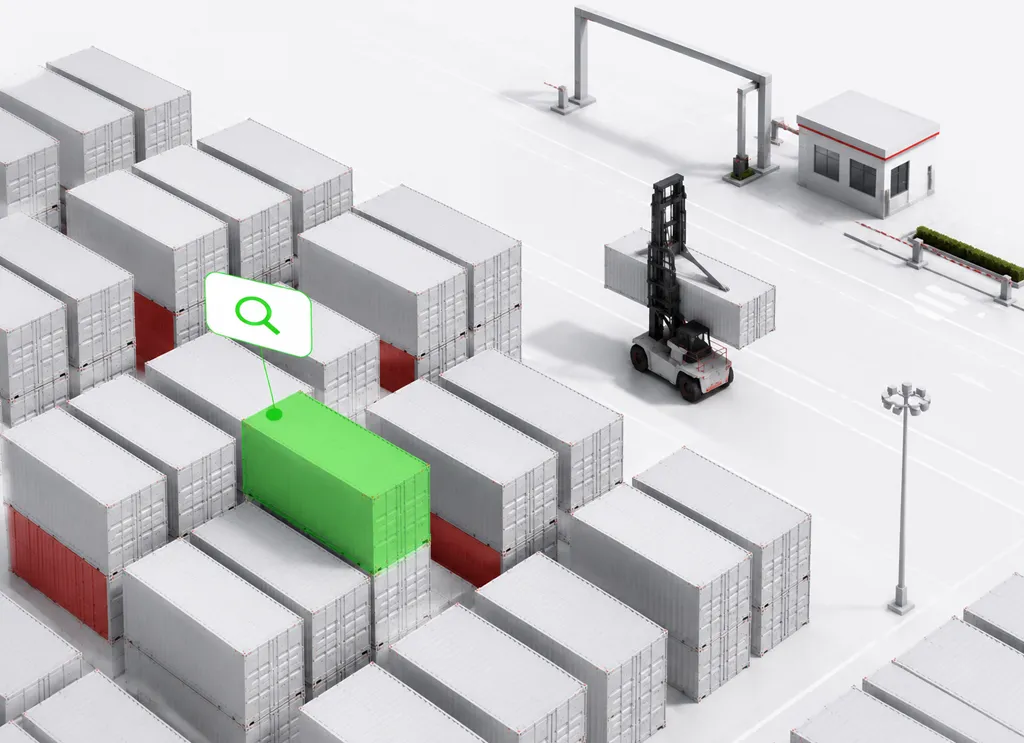
The solution requires a hard pivot away from reactive scrambling. If you want to eliminate the morning chaos, you need Real-Time Container Tracking.
Think about it from the dispatcher’s perspective. Giving them a printed spreadsheet from the previous night’s shift is like handing them a map from 1995 and asking them to navigate current traffic. Things move. Plans change. Without a live digital overview, your team is operating blindfolded.
A proper Container Tracking System removes the guesswork entirely. It replaces the frantic radio calls (Hey, did anyone move BICU-123456 to Zone C?) with a clean, accurate digital dashboard. You see the exact occupancy of your yard, zone by zone, in real time. You know what spots are full, which ones are empty, and exactly where your handling equipment is currently sitting. It turns a static, confusing storage space into a highly visible, tightly controlled grid.
If we are throwing out the old playbook, we need a new metric to measure success. Enter Container Search Speed.
This is the ultimate litmus test for your operational health. If a client calls asking for the status of their freight and it takes your team fifteen minutes to locate it on the yard map, your system is broken. The new industry standard is unforgiving, and the goal is simple: you should be able to locate any box in your yard in under one second.
Hitting that sub-second benchmark changes everything. When your search time drops to zero, you instantly reclaim six to ten working hours every single week. Those are hours your team can spend actually moving freight, optimizing layouts, and serving clients, rather than driving in circles.
Achieving this level of precision doesn’t mean you need to rip out your infrastructure and spend millions on hardware. It simply means embracing smart Yard Automation.
We aren’t talking about replacing your crew with a fleet of robots. We are talking about giving your team tools that actually make their jobs easier. True Smart Port Operations are built on seamless integration.
It starts at the gate. When a truck pulls in, intelligent cameras instantly capture the license plate, the ISO code, and the container ID. The system checks for structural damage, dents, and missing seals automatically. All that data flows instantly into your dashboard. No clipboards. No arguments over liability. Just a clean, digital record of every single movement.
When your gate is automated and your yard is fully mapped out on a smart app, the heavy lifting is done by the software. Your human workforce is finally free to do what they do best: manage the logistics, handle the exceptions, and grow the business.
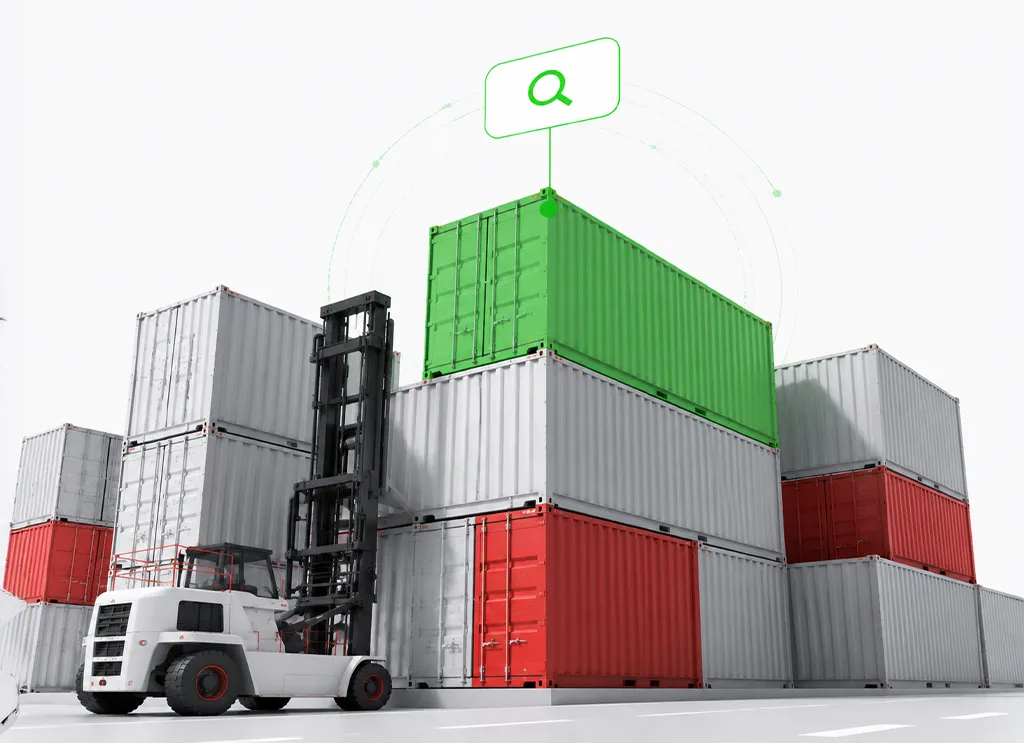
The companies that survive the next decade of supply chain pressure won’t be the ones with the biggest yards. They will be the ones with the smartest operations.
You deserve a system that acts like a partner, not a hurdle. Gotilo was built specifically to solve the headaches terminal managers face every day. By delivering 360-degree operational visibility without the need for massive hardware investments, it puts you back in control of your own facility.
Stop playing hide-and-seek with your profit margins. The one-second yard is entirely within reach.
Want to see what complete visibility looks like? The team at Weboccult is ready to help you transform your yard. Visit www.weboccult.com or reach out to see Gotilo in action.