




















Certified information security and AI. Your Data secured and Private to you.
Talk with us

CEO & Co-founder
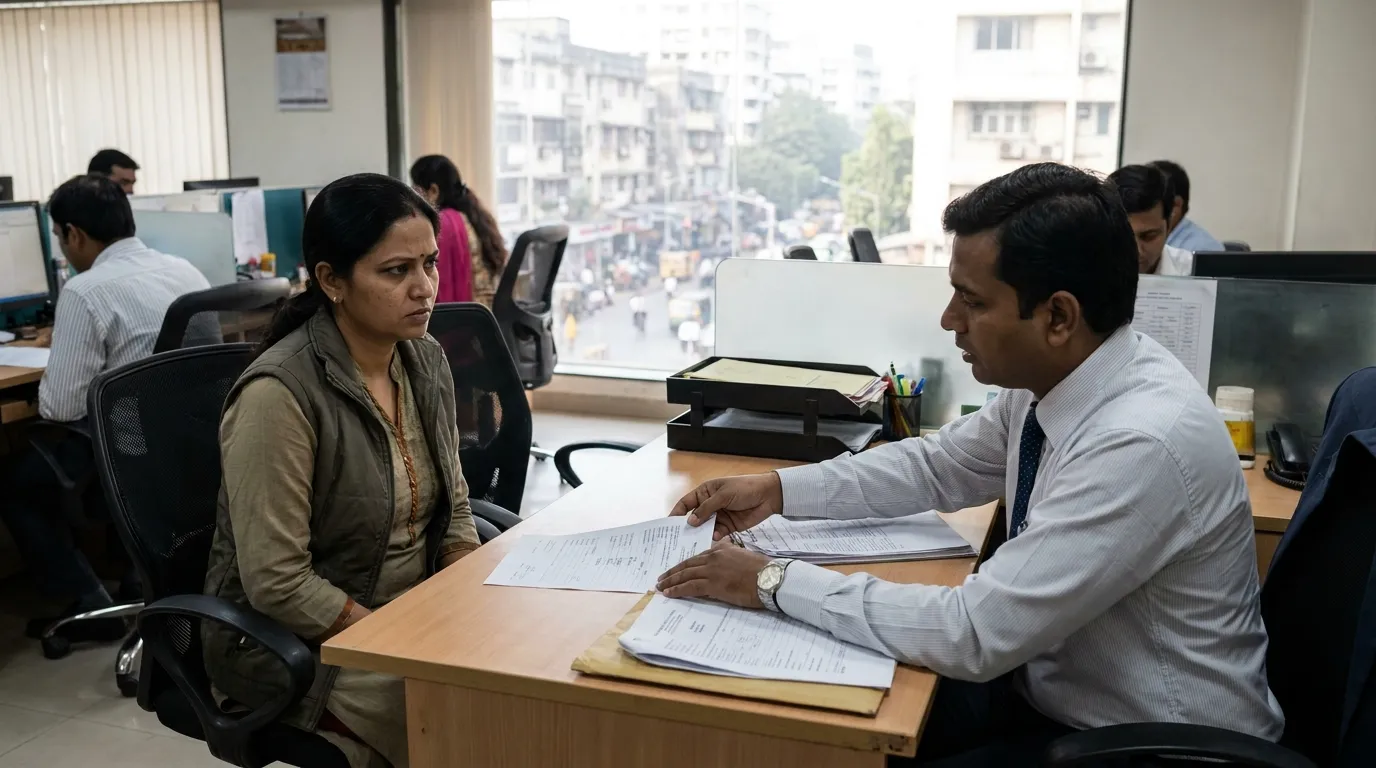
Three months after the incident, the assessor sits across from Meera, the operations manager, and slides a form over the desk. She is ready for questions about helmets, about whether the supervisor was present, about protocol. He asks none of them. He asks one thing instead: show me the footage.
Meera’s yard runs safety well. The crews are trained, the rules are posted, the toolbox talks happen. But what she can hand him is a protocol document and a set of memories that are already getting fuzzy. What he wants is proof of a single moment, and that moment was never recorded.
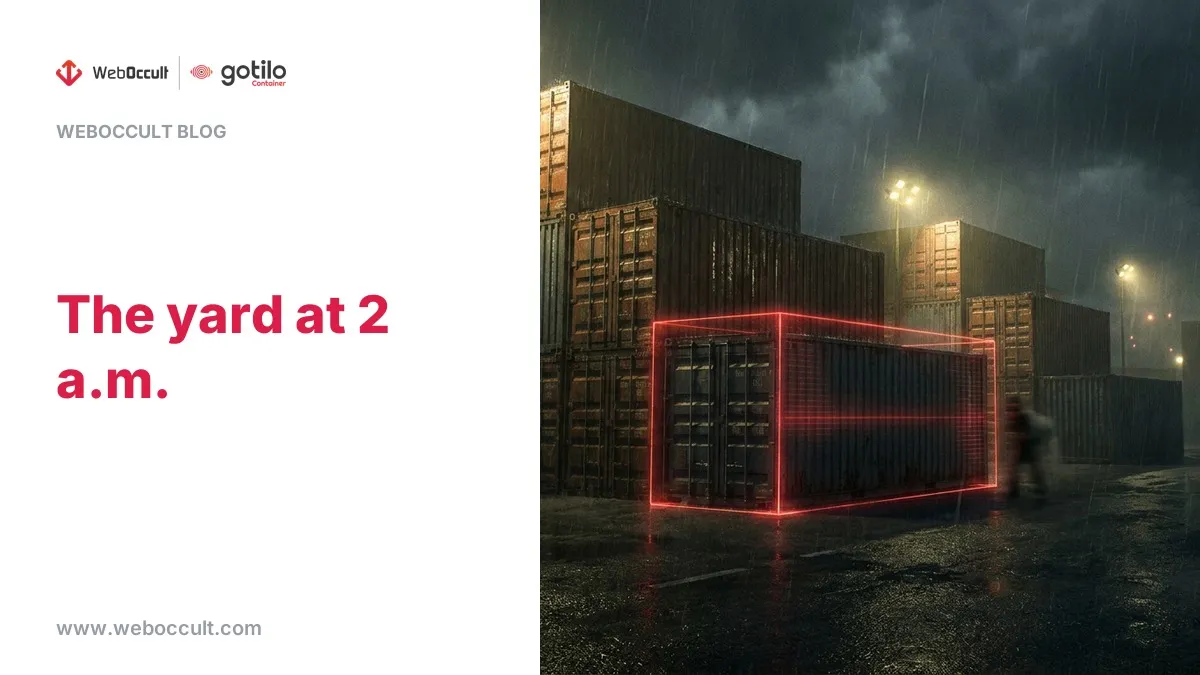
The short answer: most yards do safety well and prove it badly. AI vision strengthens yard safety compliance by monitoring stack height, PPE, hazmat segregation and exclusion zones in real time and recording every event as timestamped, insurance-grade evidence you can hand over on demand.
Safety culture is real and it matters. But culture is a memory, and memory fades exactly when someone in a tie is asking precise questions. What you can show on that day depends entirely on who was watching when the moment happened. This is not an argument against safety culture. It is an argument for making it provable.
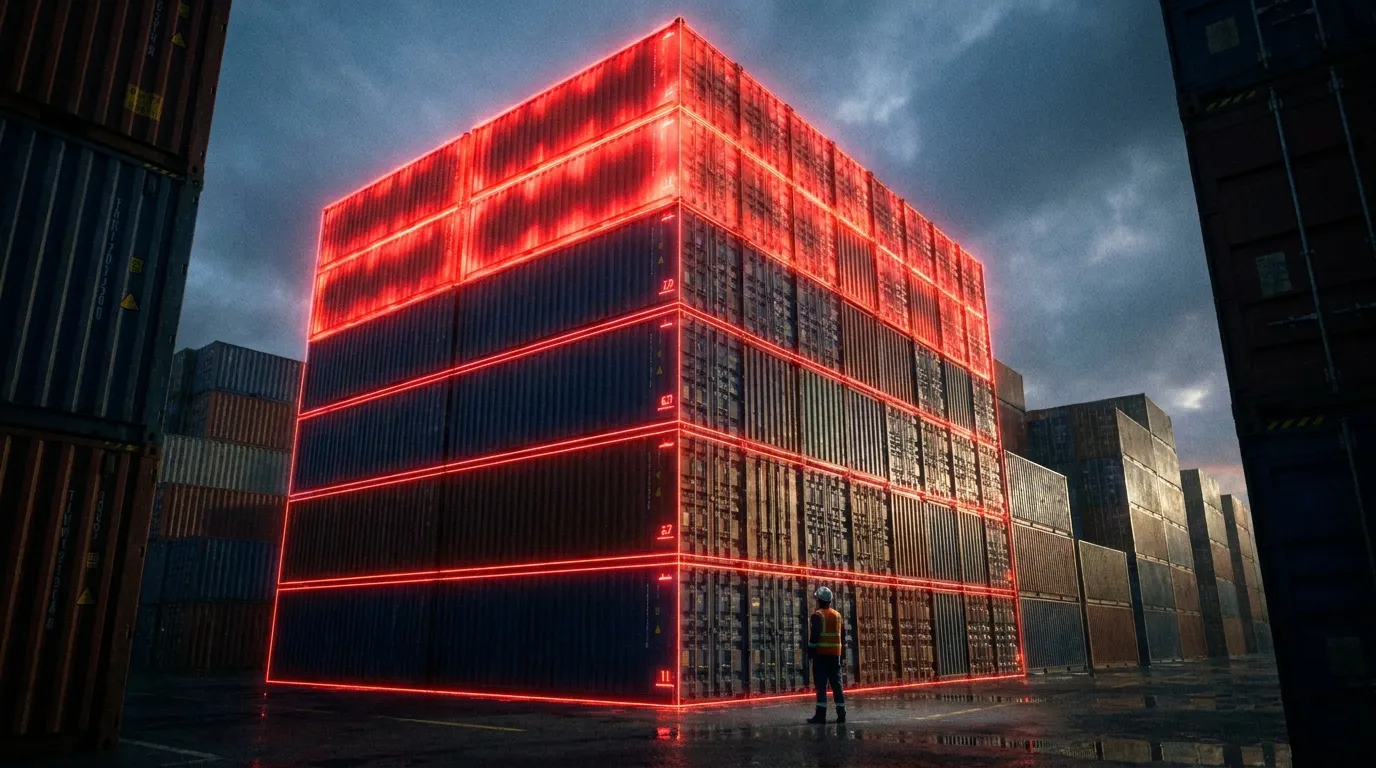
Most failures are not recklessness. They are ordinary decisions under pressure.
The job is not only to write the rules. It is to catch the moment they are broken, before the afternoon ends.
Vision AI does not replace your safety culture. It gives it a memory and a witness:
1. Can AI vision monitor container stack height?
Yes. Algorithms count tiers in real time and flag a stack at or over the limit, in the moment, to the person about to add to it, before it becomes a hazard or a claim.
2. How does AI vision help with insurance claims?
It produces timestamped, photographic records of events and protocols, turning we always do into on this date, here is what happened, which is what assessors ask for.
3. Does this replace our safety team?
No. It removes the blind spots and gives your team a provable record, so good practice on the ground is backed by evidence on file.
If an incident happened today, what could you actually show by Friday, a protocol document or footage of the moment? The second half is where the money lives gotilo.