






















Certified information security and AI. Your Data secured and Private to you.
Talk with us

CEO & Co-founder
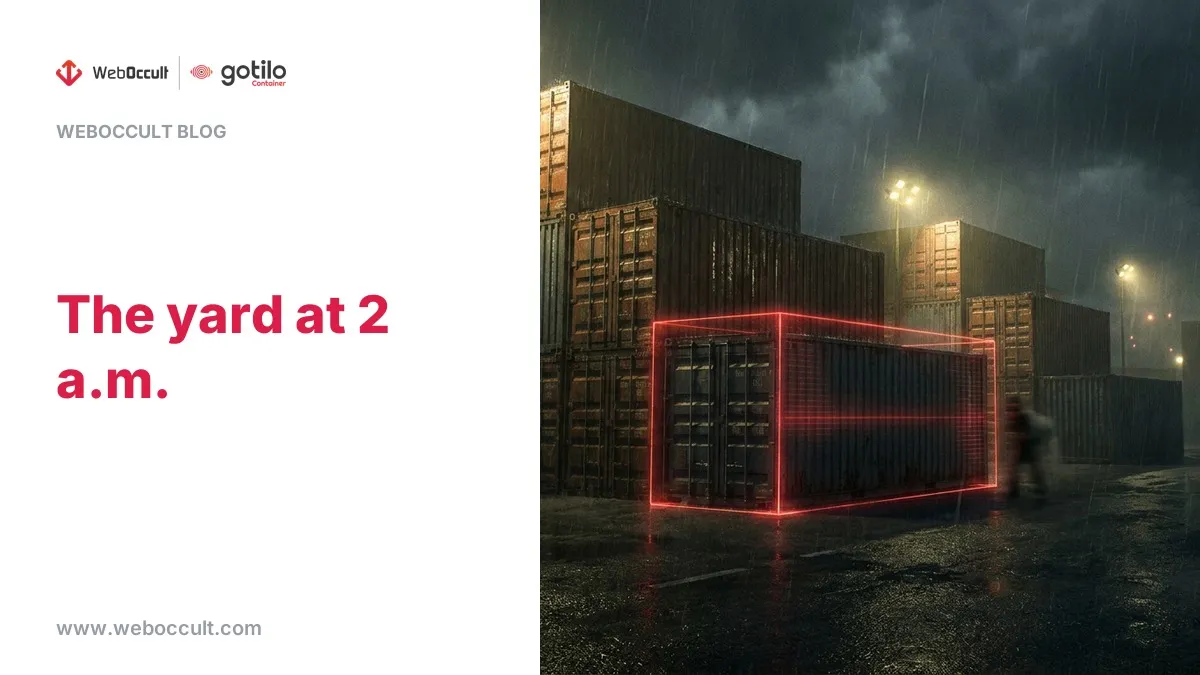
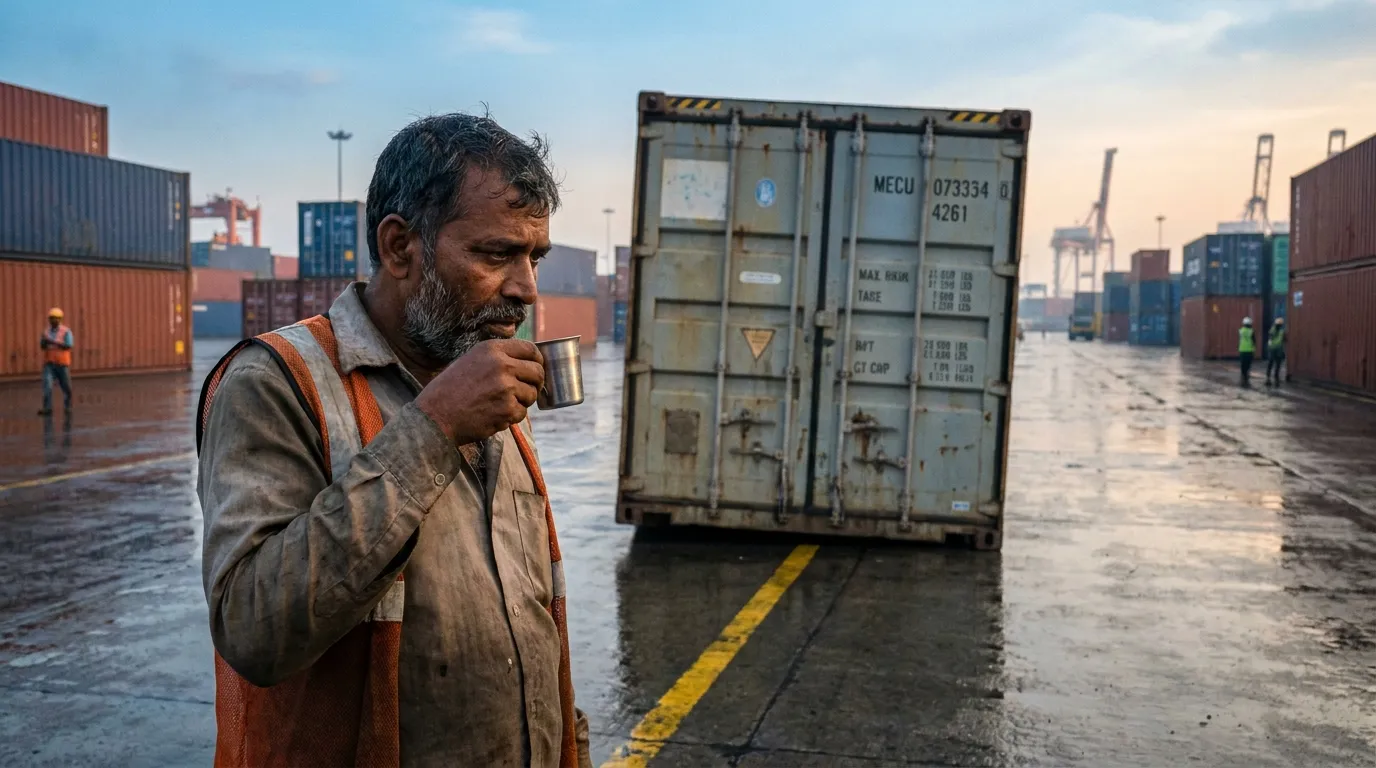
The morning shift supervisor, Imran, notices it before his first chai. A container in row C is sitting a few feet off its mark. Not knocked, not damaged. Just slightly wrong, the kind of wrong you only catch if you happened to see it the evening before.
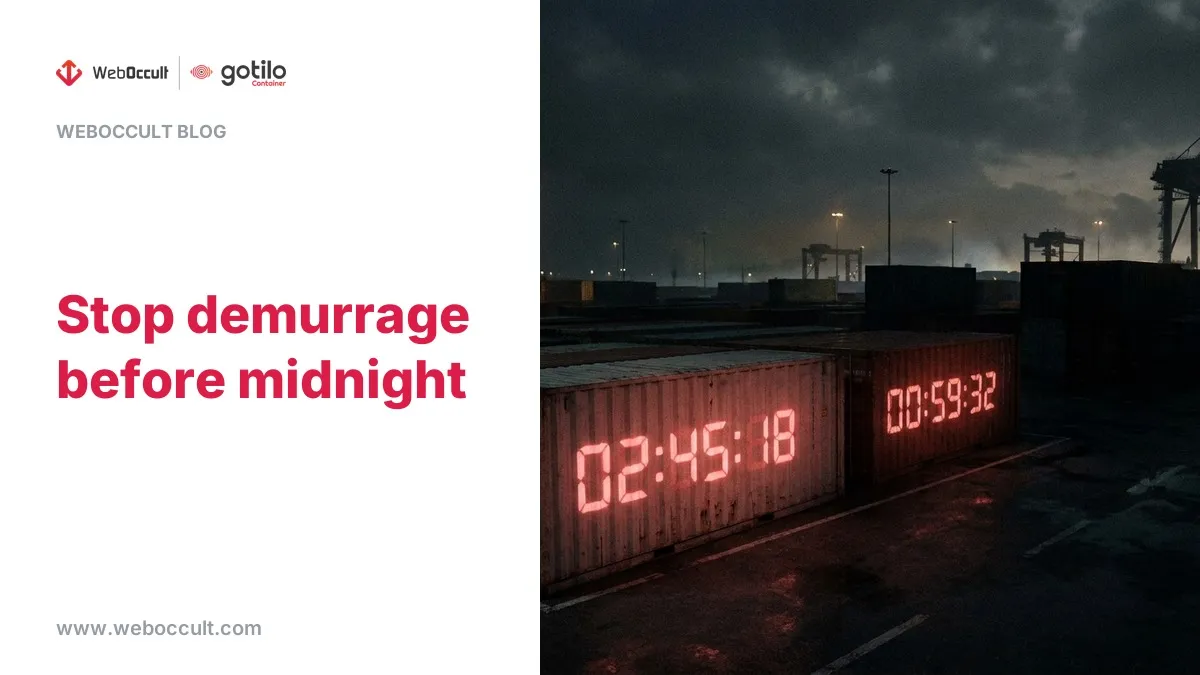
He checks the gate logs. Nothing after 22:00. He checks the roster. No overtime crew. He asks on the radio. Silence all night. Yet at some point in the dark, that box moved forty metres, and came back. Whoever did it was careful. Not quite careful enough to put it back exactly.
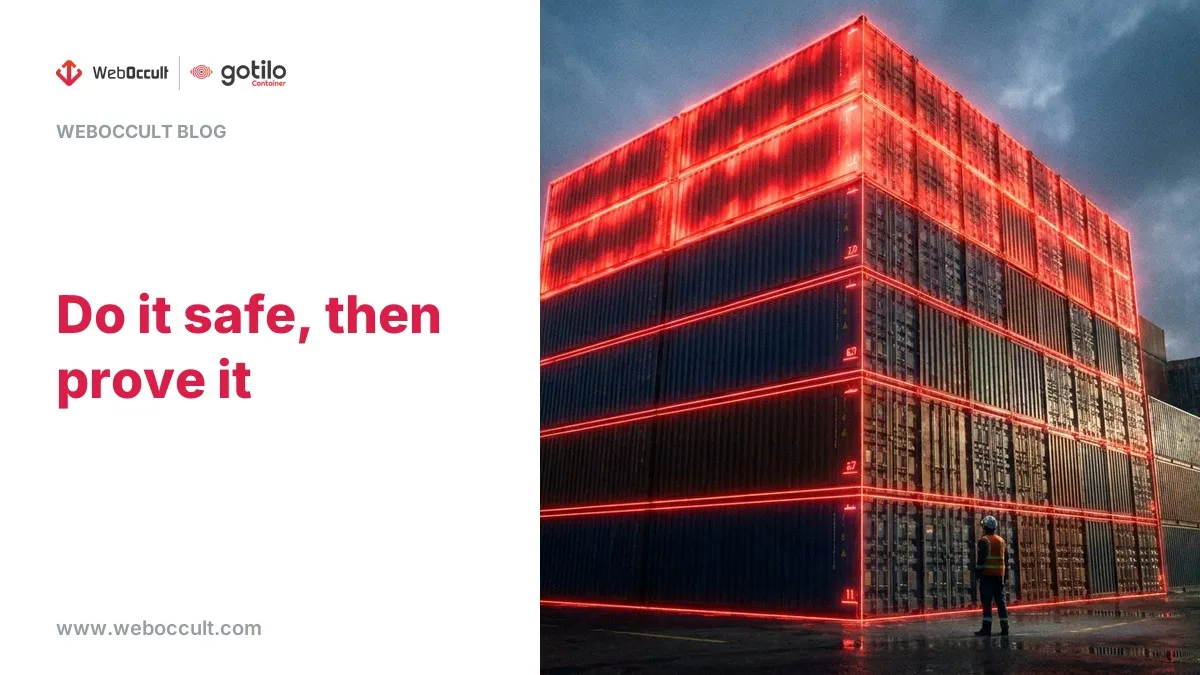
The short answer: most container yard losses are not break-ins. They are quiet, off-hours events that leave almost no trace. AI vision improves yard security by turning your existing cameras into a witness that never sleeps, flagging off-roster movement, suspicious vehicles and identity fraud, all timestamped as evidence.
When people picture yard security, they picture a cut fence. The real risk is quieter. It is the gate that opens off-roster. The box that moves and returns. The vehicle that should not be there at all. None of it looks like a break-in. It looks like a normal morning.
Sometimes it is theft. Sometimes an off-the-books favour. Sometimes a contractor testing something they should not. In every case it does not surface as a security incident. It surfaces three weeks later as a short-shipment claim, a customs query, a dispute nobody can resolve.
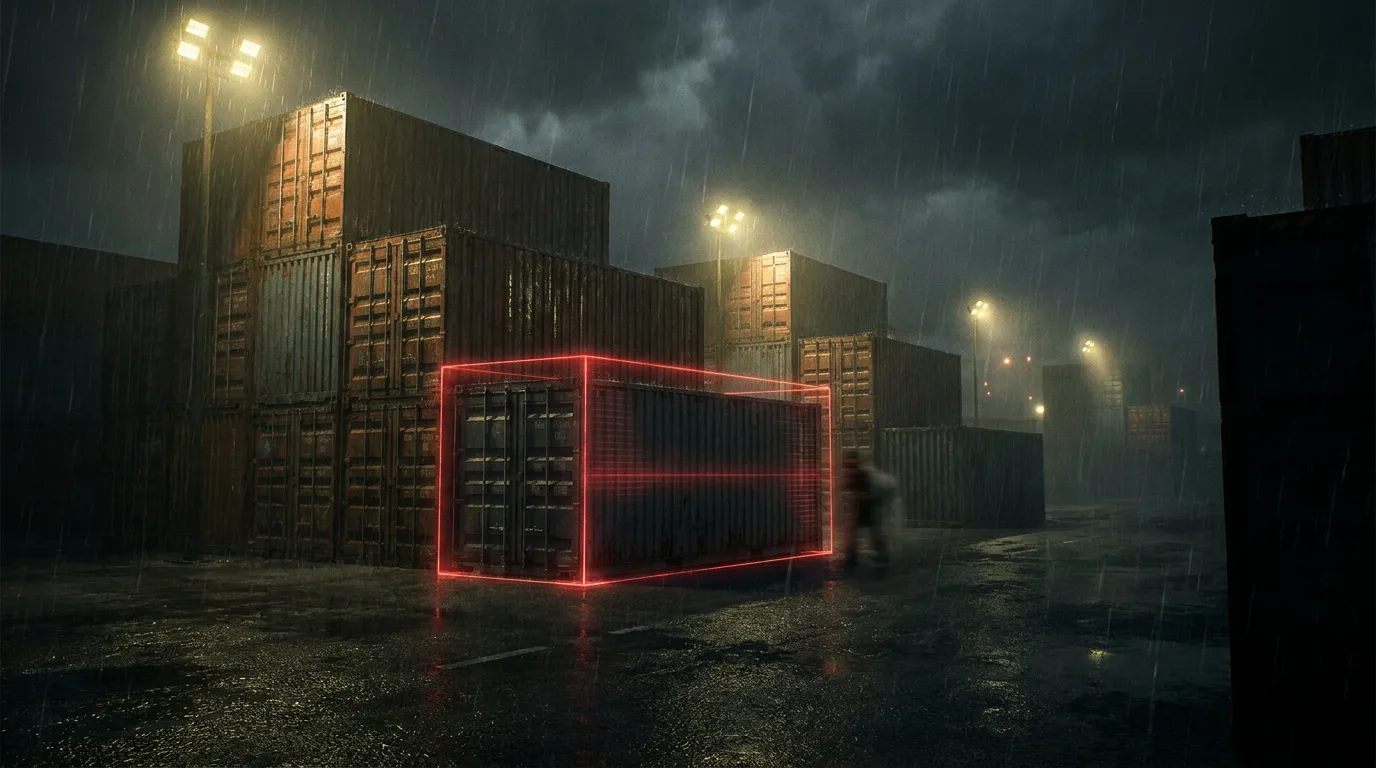
After the fact, the question is rarely “what happened.” It is “can anyone prove it.” And proof depends entirely on who was watching when the moment occurred. A yard at 2 a.m. is officially closed. Guards patrol, but a patrol is a series of snapshots with long dark gaps in between, and the gaps are where the strange work gets done.
It turns the cameras you already have into a witness that keeps no office hours:
The value is not only deterrence. It is that when something happens, you are not relying on memory. You have footage, logs and records, the things an investigator or assessor actually asks for.
Most yards run security on trust and patrols. That works until the day it does not, and on that day the difference between a recovered loss and a written-off one is whether the moment was recorded. Vision AI does not replace your guards or gate discipline. It removes the blind hours and converts “we think someone moved it” into “at 02:14, here is exactly what happened.”
1. How do most container yard losses actually happen?
Rarely as a cut fence. More often as a gate opened off-roster, a box moved and returned, or a vehicle present when no one should be. They surface later as claims or shortages.
2. Can AI vision detect duplicate-plate fraud?
Yes. Because it remembers identities rather than just reading plates, it flags when the same registration appears twice, the trick used to collect a box on valid-looking paperwork.
3. Do we need new cameras?
Usually not. The approach is built to use the cameras already covering your yard and gates, adding intelligence rather than hardware.
Ask one question of your own yard: if a container moved tonight at 2 a.m. and came back by six, would anyone know, and could anyone prove it? Cameras do not keep office hours gotilo.