



















Certified information security and AI. Your Data secured and Private to you.
Talk with us
Predict faults. Prevent downtime. Maintain flow across every stage of steel production.
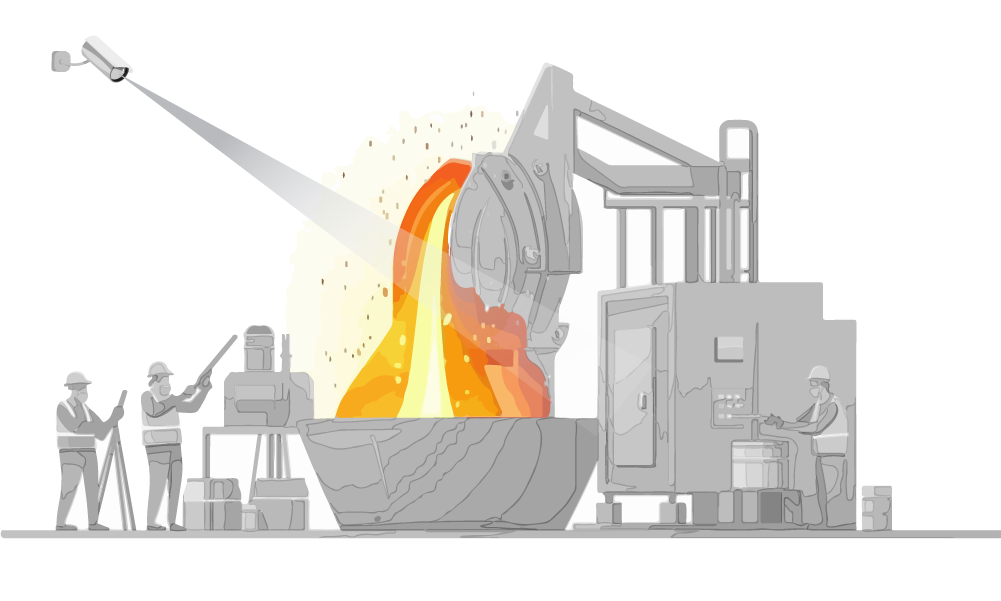
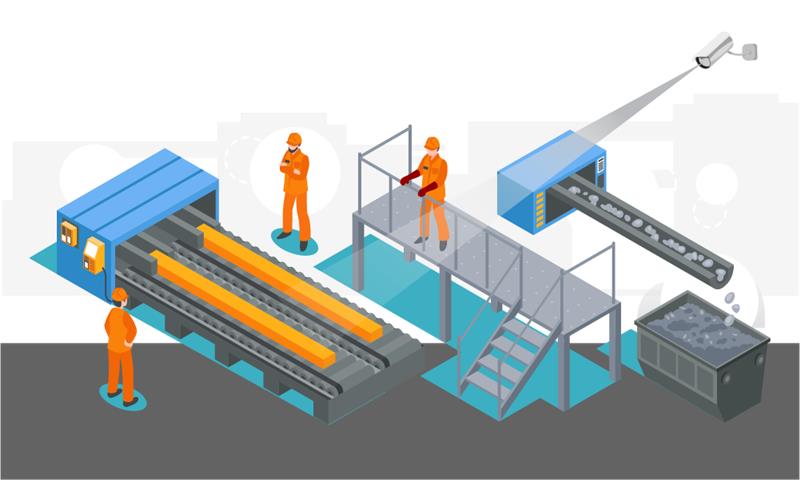
Steel plants run on tight schedules and continuous operations. Unexpected machine halts, roller jams, or misaligned components can halt the entire line, causing delays, losses, and unsafe conditions. Production Line Health Monitoring uses computer vision to track the physical and functional condition of moving components in real time, rollers, conveyors, cooling beds, tension arms, and more.

A single fault in conveyors or rollers can halt the entire line, causing cascading delays.

Most steel lines depend on fixed maintenance schedules, missing early signs of wear or damage.

Without continuous vision, misalignments or heat-induced warping often go unnoticed.

Operators typically detect issues only after they affect the finished product or cause stoppages.

AI models detect wear on rollers, chains, and belts based on visua degradation.

Detects off-center movement, skewed alignment, or unusual material buildup.

Integrates thermal vision to track heat-induced component distortion.

Live condition monitoring with auto-alerts and maintenance request initiation.
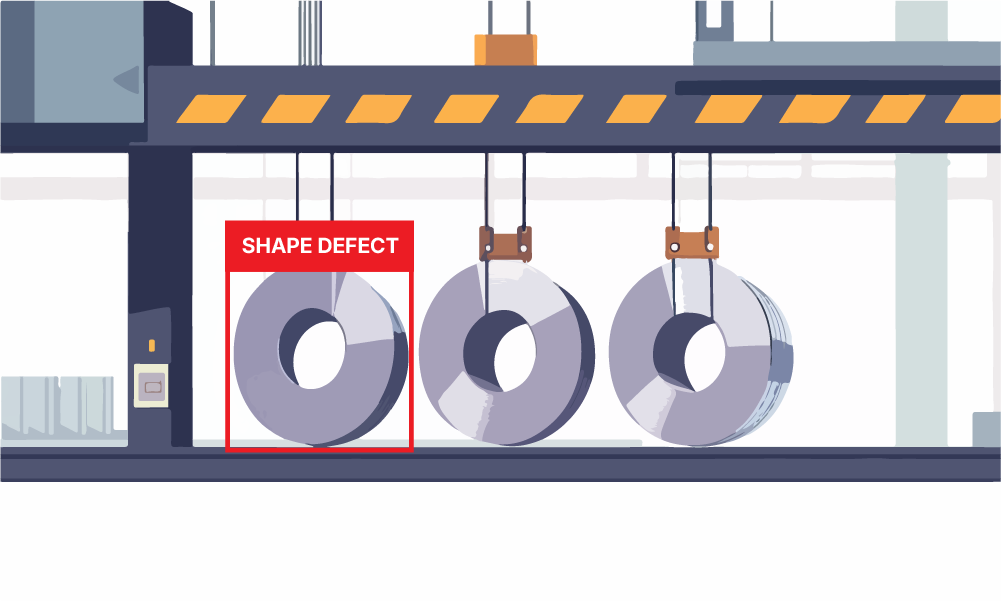

We begin by auditing your rolling and conveyor lines, identifying high-friction, high-failure, or heat-sensitive sections.

Cameras are paired with thermal and vibration sensors at key points, like tension zones, curved conveyors, and cooling beds, for a complete mechanical picture.

Our models are trained on live data from your plant to distinguish between normal operational variations and early-stage degradation, belt slack, or roller wobble.

When anomalies are detected, the system auto-generates fault logs and routes them to maintenance teams. This allows for scheduled interventions without shutting down entire sections.
Stay updated with the trending and most impactful tech insights. Check out the expert analyses, real-world applications, and forward-thinking ideas that shape the future of AI Computer Vision and innovation.
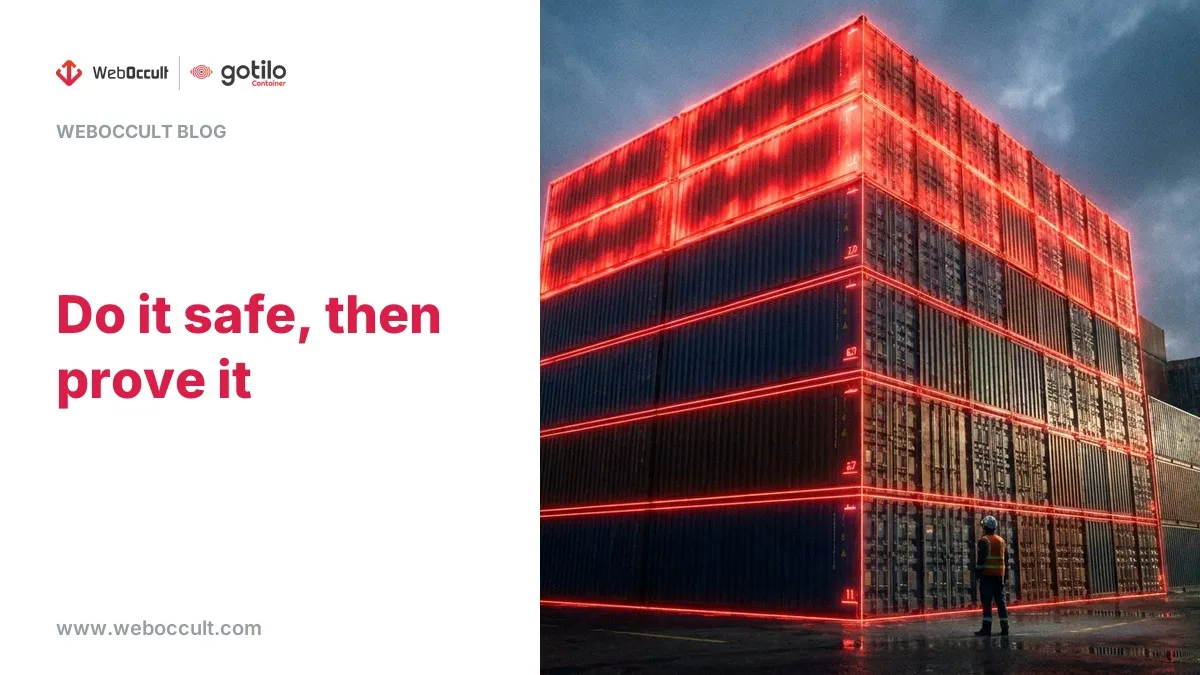
Three months after the incident, the assessor sits across from Meera, the operations manager, and slides a form over the desk. She is ready for questions about helmets, about whether the supervisor was present, about protocol. He asks none of them. He asks one thing instead: show me the footage. Meera’s yard runs safety well. […]

CEO & Co-founder
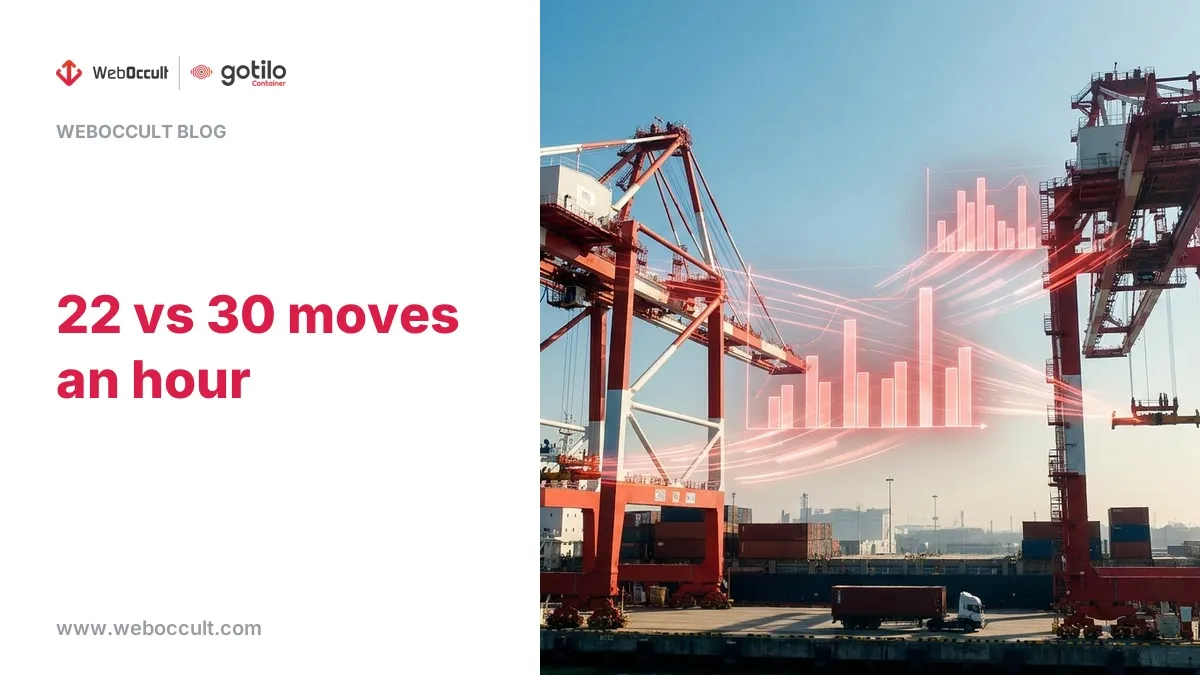
Deepak runs operations at a mid-size terminal, and one number has bothered him for a month. Two ship-to-shore cranes, side by side. Same model, same year, same maintenance schedule. Crews rotate between them every shift. One averages 22 moves an hour. The other averages 30. He sends a maintenance team over the slow one. They […]
CEO & Co-founder
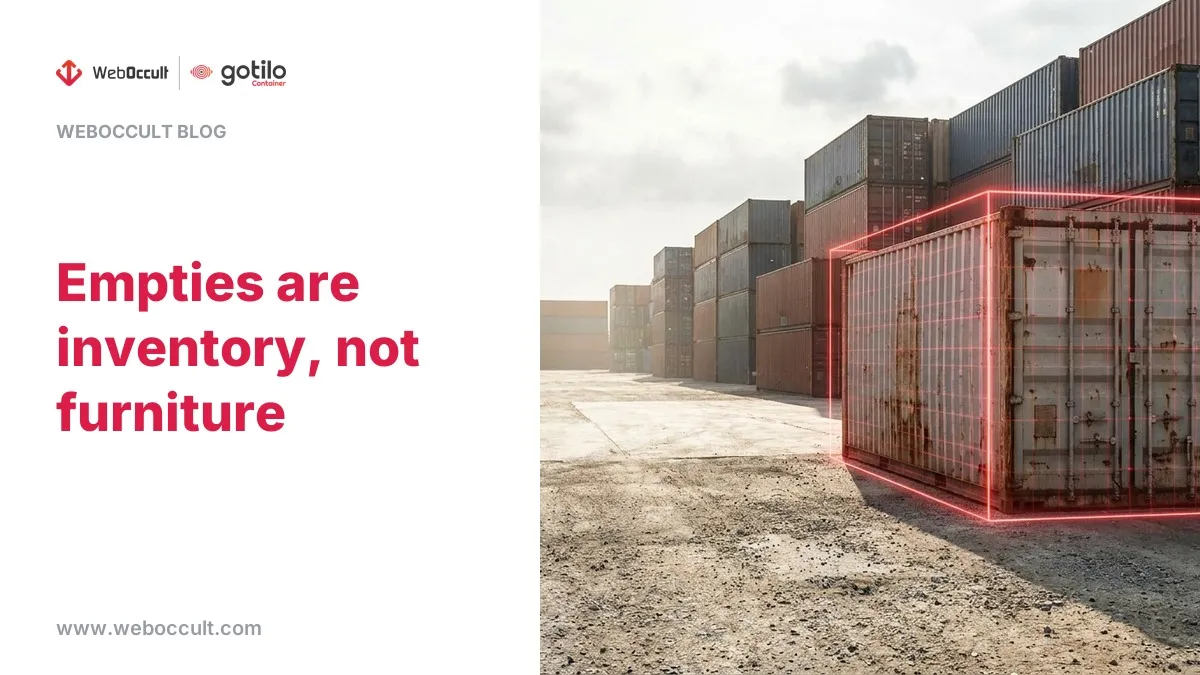
Pravin has run the empty depot for nine years, and he will tell you he knows every box in it. Then he walks you to the far corner, points at a container furred with dust, a small spider web in the corner casting, and goes quiet. It came in months ago. Nobody remembers the booking. […]
CEO & Co-founder
