



















Certified information security and AI. Your Data secured and Private to you.
Talk with us
Read the set point off the unit, not off a clipboard.
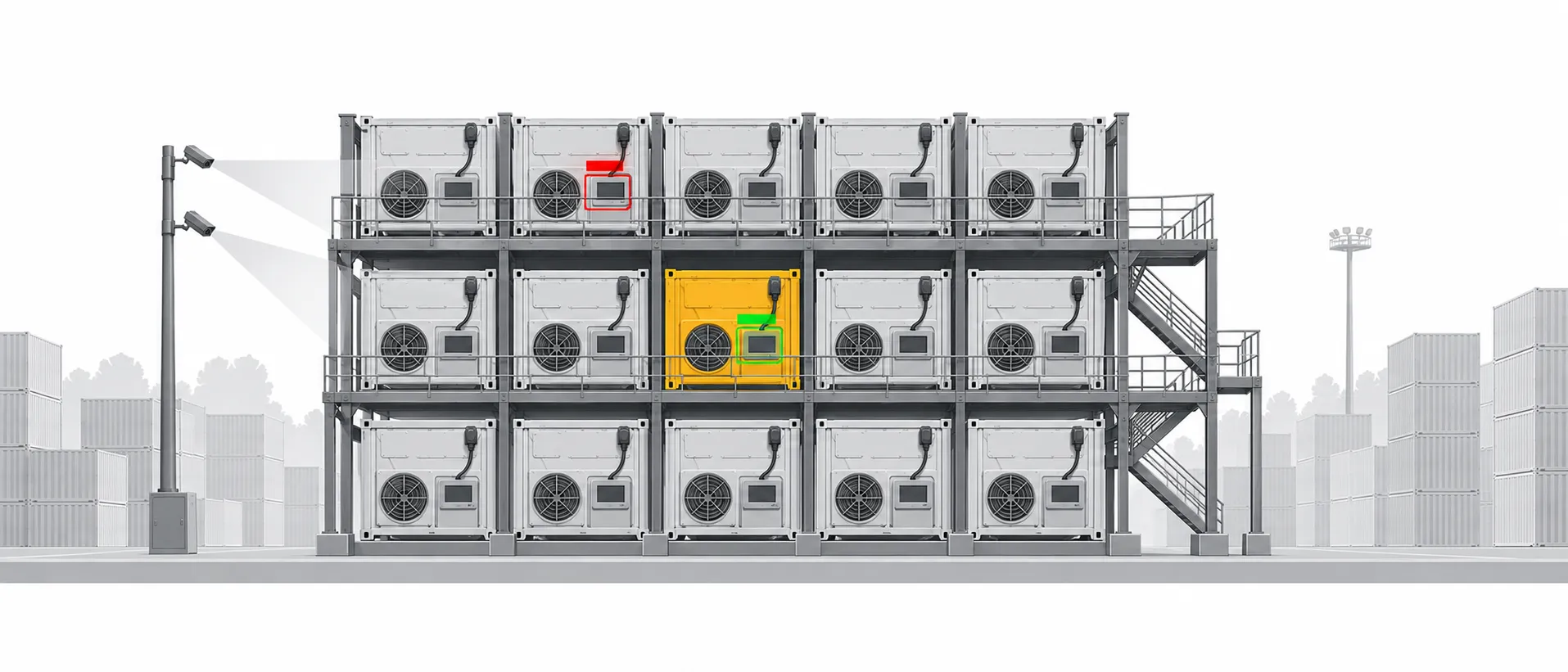
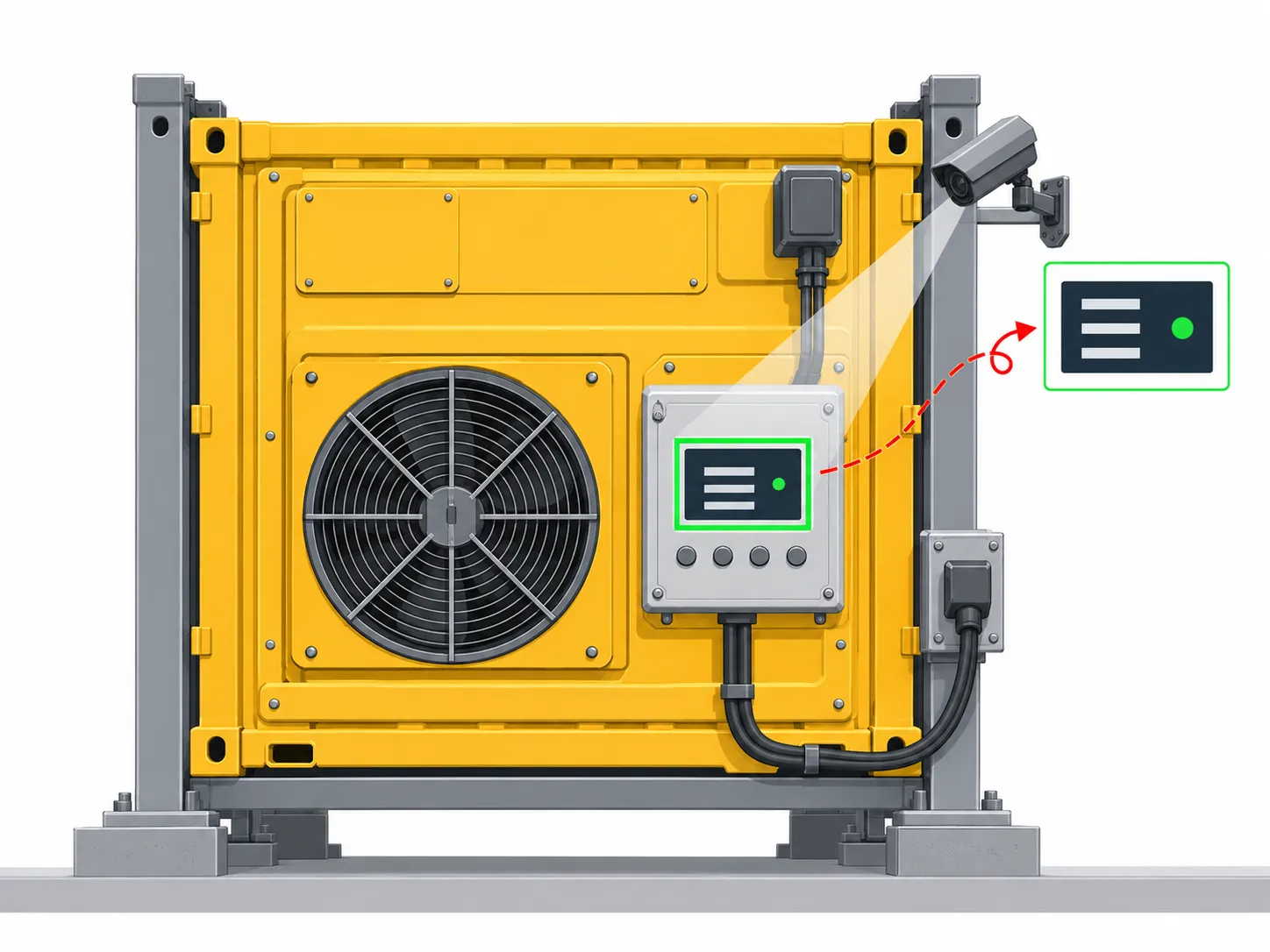
A reefer already displays everything the yard needs to know. The set point, the return air, the operating mode and the alarm code are on the unit’s own display, refreshed continuously, on every box on the rack. What is missing is somebody to look at them. Gotilo puts a camera on that job, reads the display on every reefer in the block, and raises the exception when a value drifts or an alarm code appears. Nothing is fitted to the container.

Staff walk the rack once or twice a shift with a clipboard, reading displays and writing numbers down. What happens between two rounds is not recorded anywhere.

A set point drift or an alarm code that appears just after a round is discovered at the next one, hours later, by which time the cargo has already been at the wrong temperature.

When a consignee disputes cargo condition, the evidence is a paper round sheet with no timestamp anyone can verify and no image of the display it was copied from.

Fitting a monitoring device to every box means buying it, installing it, maintaining its battery, and recovering it when the container leaves. The cost follows the container, not the yard.

The camera reads the values the unit is already showing, including supply and return air, set point, humidity and operating mode, at whatever interval the site needs.

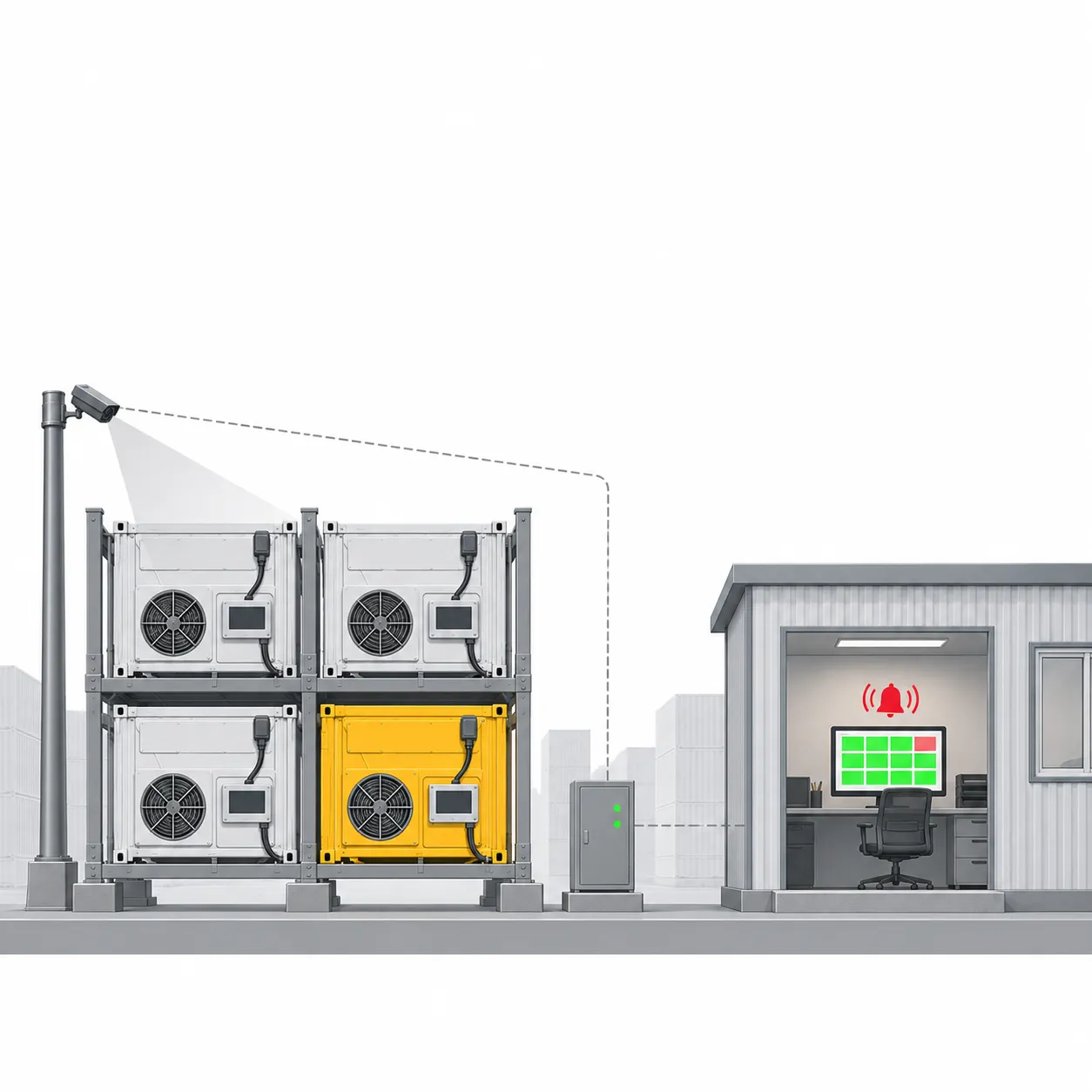
When an alarm code appears on the display it is read and raised immediately, with the frame it was read from, rather than waiting for the next round.

Every time a reefer goes on or off power the event is recorded against the container number, so a gap in the power record is visible rather than assumed.

Cameras cover the rack. Nothing is fitted, charged, maintained or recovered per box, so adding a container to the block costs nothing.
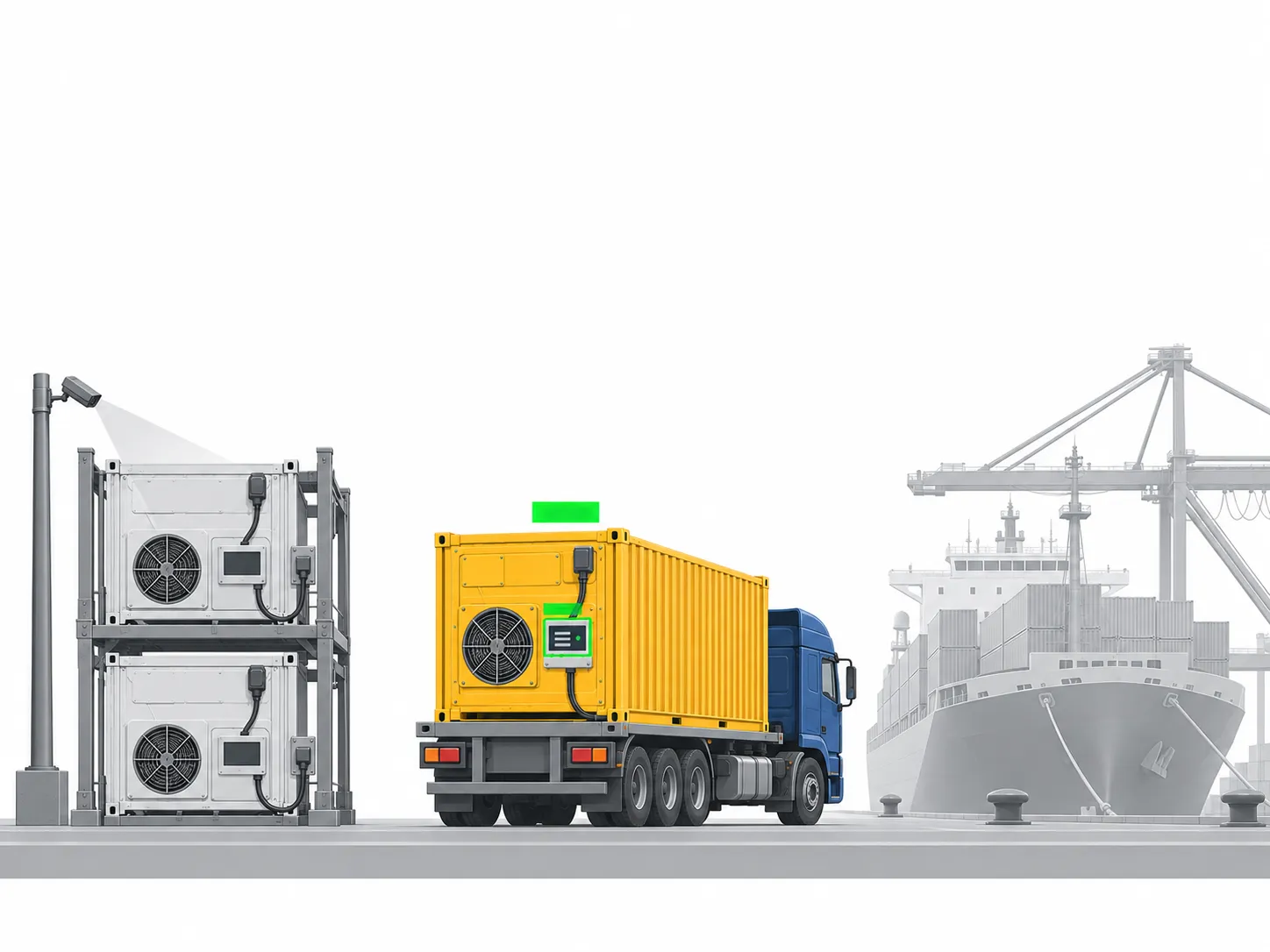

Cameras are positioned to see the display face of every reefer position on the rack, with the lighting needed to read it at night and through condensation.

Display formats vary by reefer make and model. Real footage from your own rack is collected and prepared so the models read the units you actually have.

Models are trained to read the values and alarm codes off those displays, and to tie each reading to the container number so the record is about a box, not a slot.

Everything runs on on-site edge hardware. Readings and exceptions reach your depot system, and the alert reaches whoever is meant to act on it.
Stay updated with the trending and most impactful tech insights. Check out the expert analyses, real-world applications, and forward-thinking ideas that shape the future of AI Computer Vision and innovation.
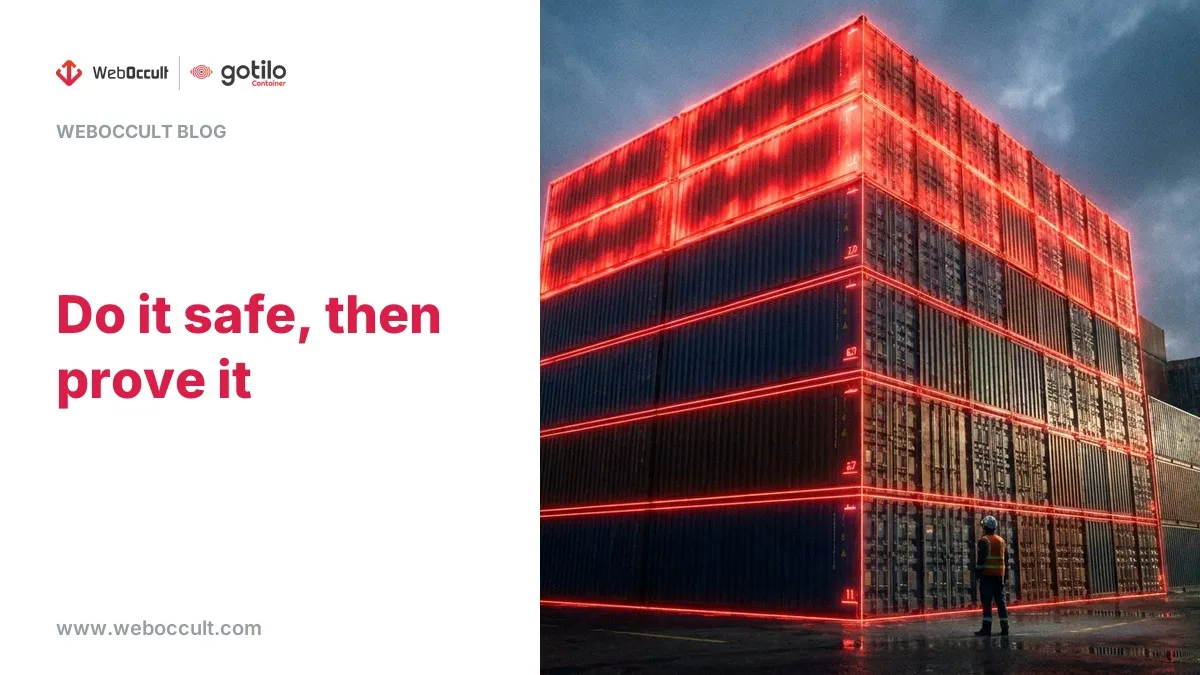
Three months after the incident, the assessor sits across from Meera, the operations manager, and slides a form over the desk. She is ready for questions about helmets, about whether the supervisor was present, about protocol. He asks none of them. He asks one thing instead: show me the footage. Meera’s yard runs safety well. […]

CEO & Co-founder
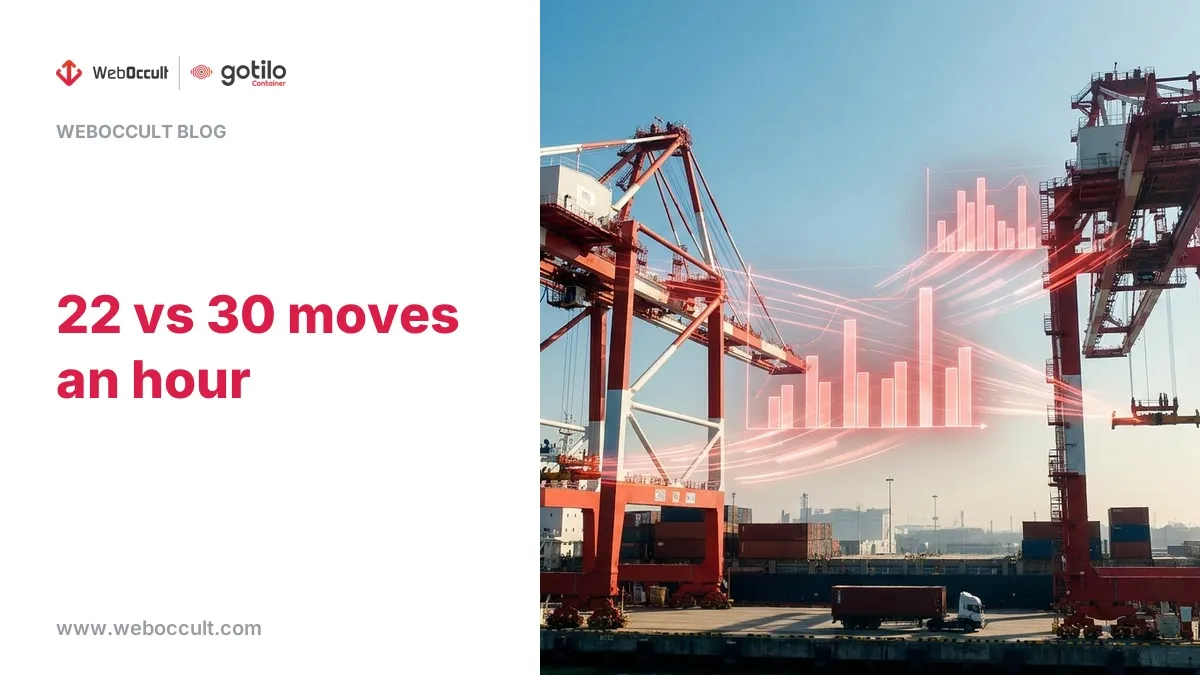
Deepak runs operations at a mid-size terminal, and one number has bothered him for a month. Two ship-to-shore cranes, side by side. Same model, same year, same maintenance schedule. Crews rotate between them every shift. One averages 22 moves an hour. The other averages 30. He sends a maintenance team over the slow one. They […]
CEO & Co-founder
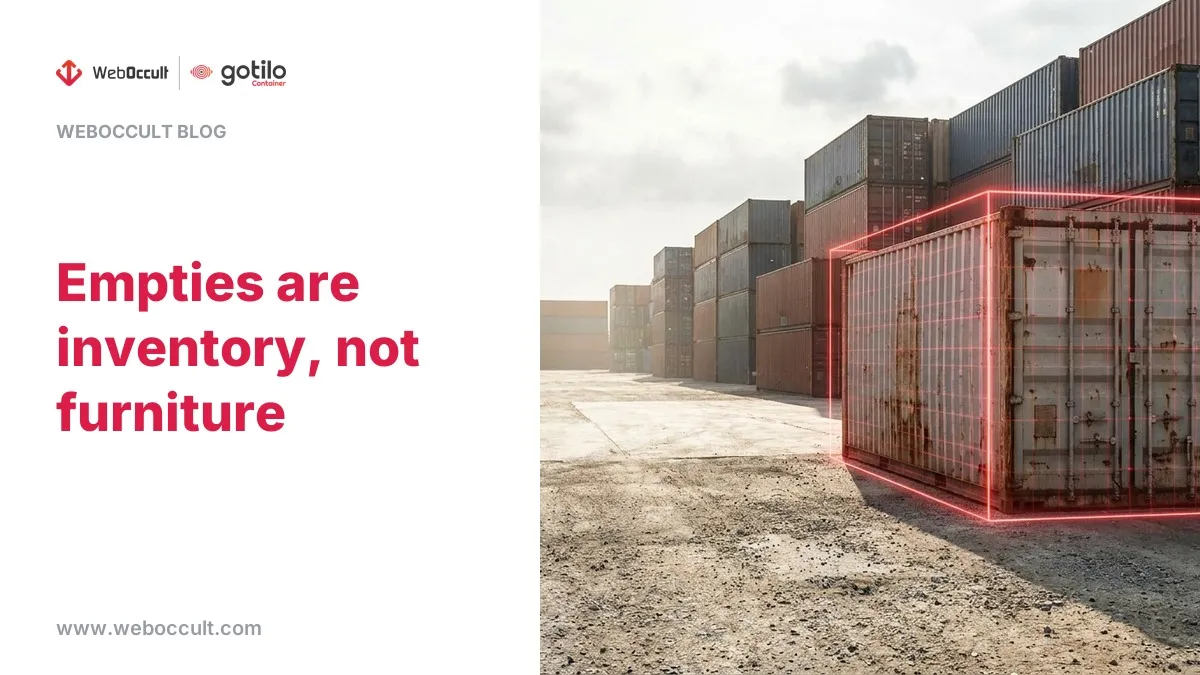
Pravin has run the empty depot for nine years, and he will tell you he knows every box in it. Then he walks you to the far corner, points at a container furred with dust, a small spider web in the corner casting, and goes quiet. It came in months ago. Nobody remembers the booking. […]
CEO & Co-founder
