





















Certified information security and AI. Your Data secured and Private to you.
Talk with us

CEO & Co-founder
What Vision AI Can Actually See
Let’s talk about the logistics industry’s strange addiction to buying new hardware.
When confronted with a blind spot in the yard, our collective reflex is almost always to purchase another piece of plastic, attach a battery to it, and bolt it onto a steel box. We love sensors. We buy temperature probes, Bluetooth beacons, and massive GPS trackers. We convince ourselves that adding more physical clutter to an already chaotic environment equals progress.
It is a very expensive delusion. Bolting a fragile sensor onto a shipping container is a terrible long-term strategy. Batteries die. Antennas snap off during rough handling. Proprietary gateways fail during thunderstorms. You end up spending a massive amount of capital maintaining the exact equipment that was supposed to make your life easier.
The hardware trap is real, and it is draining your operational budget.
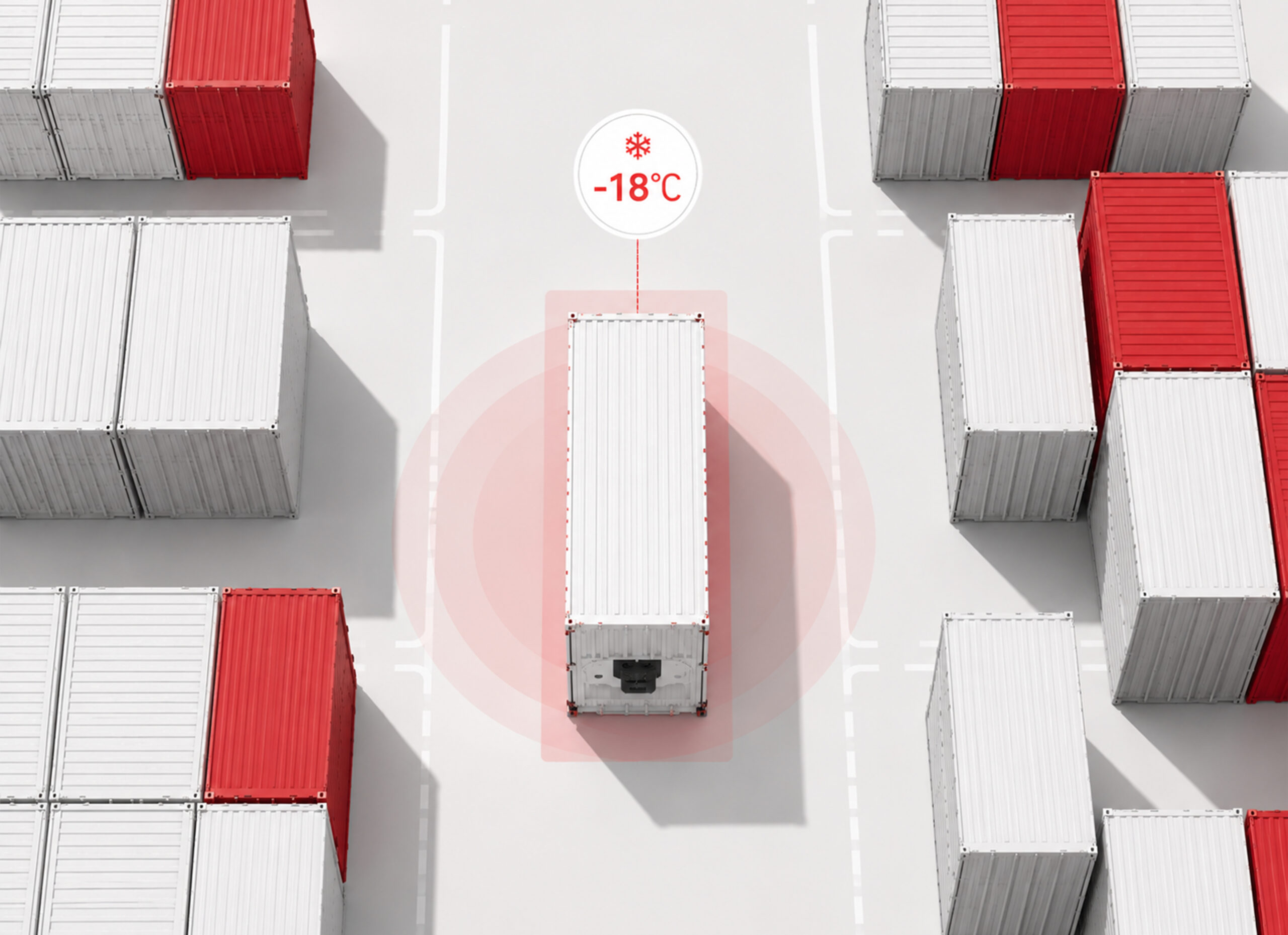
Nowhere is this hardware addiction more prevalent than in handling refrigerated cargo. The stakes here are astronomically high. A single unplugged cable or a failing compressor can destroy hundreds of thousands of dollars worth of perishables or pharmaceuticals in a matter of hours.
Achieving true Cold Chain Visibility is the ultimate high-wire act for any terminal operator.
Traditionally, maintaining this visibility meant dispatching an employee with a clipboard to physically walk the aisles every few hours, checking indicator lights and writing down temperatures. When we realized human error was too risky, we pivoted to slapping expensive IoT sensors onto every single unit. We attempted to solve the problem of Reefer Container Monitoring by throwing massive capital expenditure at it. We simply traded a labor problem for an expensive, highly fragile infrastructure problem.
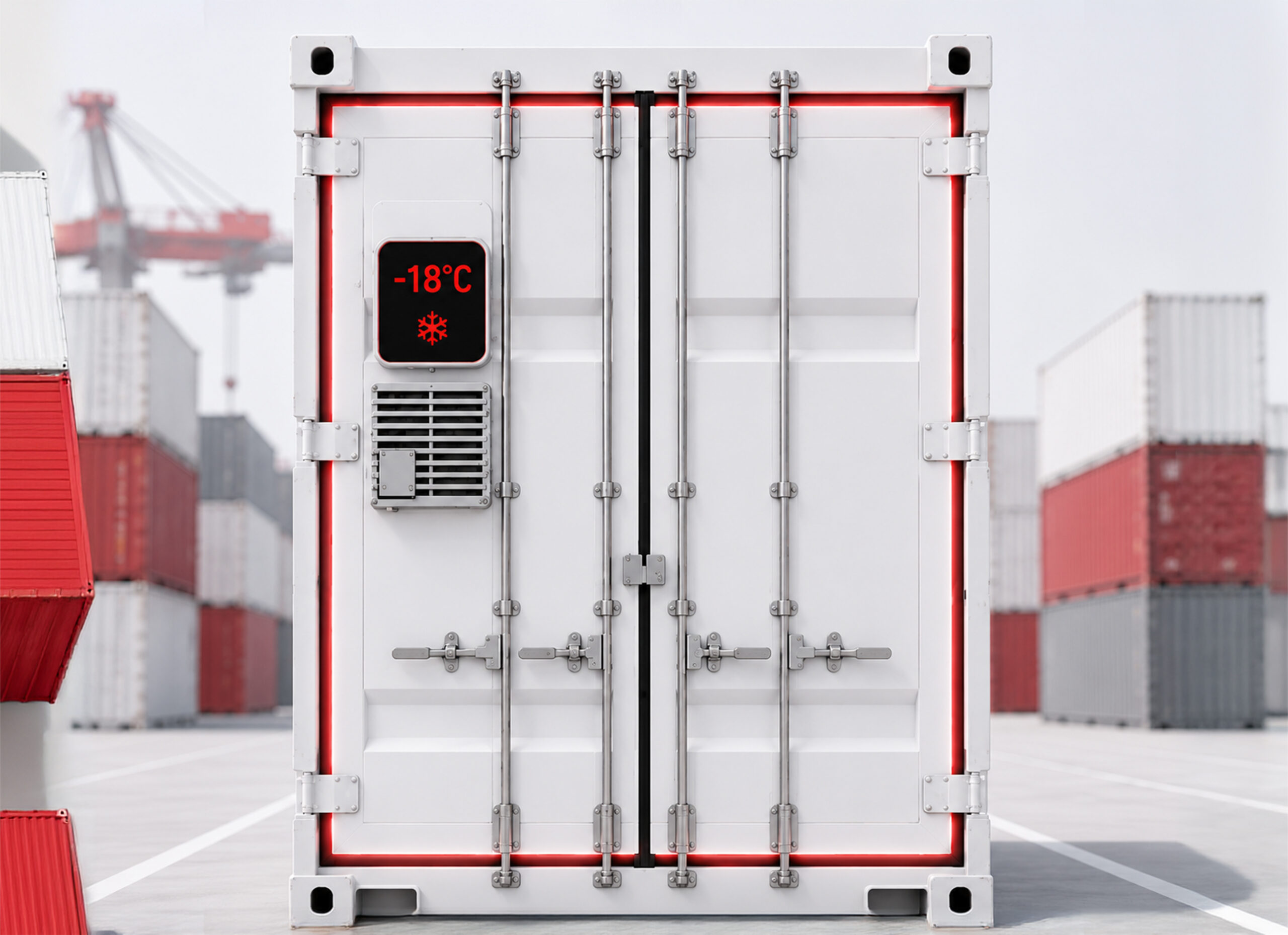
What if the solution requires absolutely zero new physical hardware? What if the answer is not adding a new sensor to the box, but simply looking at the box with a much higher degree of intelligence?
This is where the concept of Computer Vision Logistics completely rewrites the rules of engagement. Every modern terminal already possesses a vast network of security cameras. For decades, these camera feeds were treated strictly as passive security tools, entirely useless until something went wrong and someone needed to review the tape.
We are now waking up these dormant visual networks. By routing those existing video feeds through advanced artificial intelligence, we transform passive lenses into hyper-active, incredibly precise data extraction tools.
You might reasonably ask how a camera can possibly know what is happening inside a sealed, insulated steel box. It cannot see through walls. But it absolutely does not need to.
The genius of modern Visual Monitoring Systems lies in their ability to interpret the external environment exactly like an expert human technician would, only infinitely faster and without ever blinking. Here is exactly what the AI looks for across hundreds of units simultaneously:
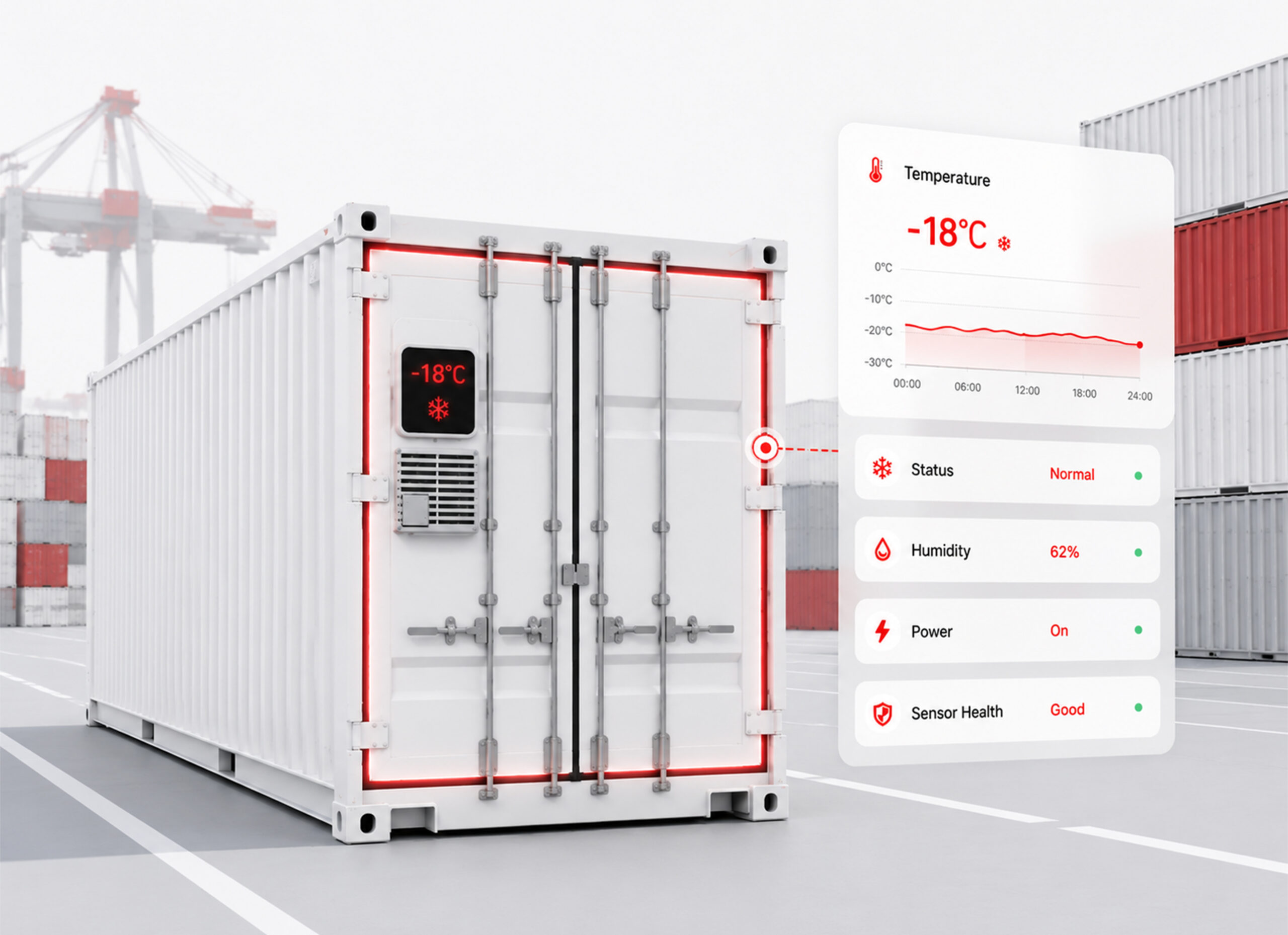
This approach fundamentally changes how we handle Refrigerated Container Tracking. You capture the ground truth visually, in real time. If a reefer loses power, the visual AI instantly detects this shift and sends an immediate alert directly to your dispatcher’s digital dashboard. The status flips from “OK” to critical, triggering an immediate physical intervention before the cargo spoils.
When you transition toward Logistics Computer Vision, the financial implications are massive. You immediately eliminate the crushing maintenance burden associated with physical sensors:
Navigating this transition requires a fundamental shift in how you select your technology providers. You do not need another vendor trying to sell you a pallet of plastic beacons. You need a dedicated software partner.
A true software partner understands that the ultimate goal is not to complicate your yard with more gadgets, but to extract the maximum possible value from the assets you already possess. This partnership mindset guarantees that the technology works for your dispatchers, rather than forcing your dispatchers to work for the technology.
Integrating this advanced visual technology into your daily routine is shockingly simple. Because the entire platform operates via a smart application, your yard managers can view the exact status of every refrigerated unit directly from their mobile devices while walking the grounds.
The logistics industry is currently standing at a profound technological crossroads. You can continue down the path of heavy infrastructure, constantly chasing broken sensors and pouring capital into rigid hardware systems. Or, you can choose to elevate your operation through intelligent software.
Your facility already holds the potential for complete transparency. You just need the right intelligence to unlock it.
Stop guessing about the status of your temperature-sensitive cargo. Connect with WebOccult, your dedicated software partner, to deploy the Gotilo Container solution and protect your assets instantly. Visit www.weboccult.com to secure your cold chain today.