






















Certified information security and AI. Your Data secured and Private to you.
Talk with us

CEO & Co-founder
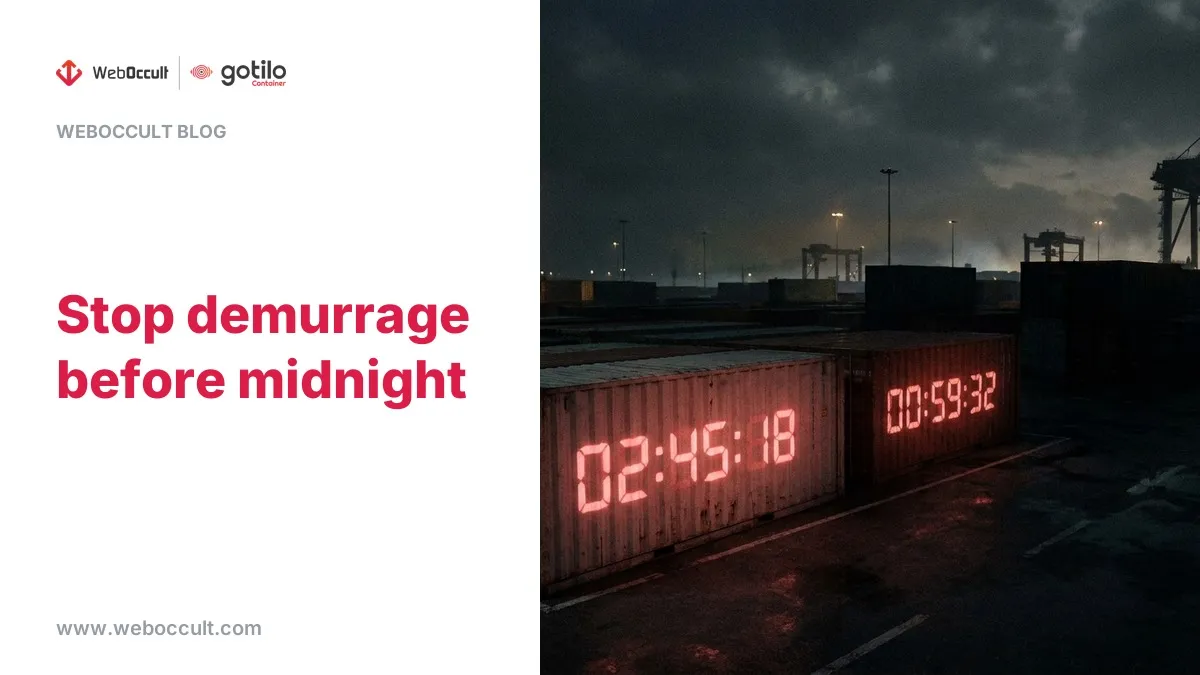
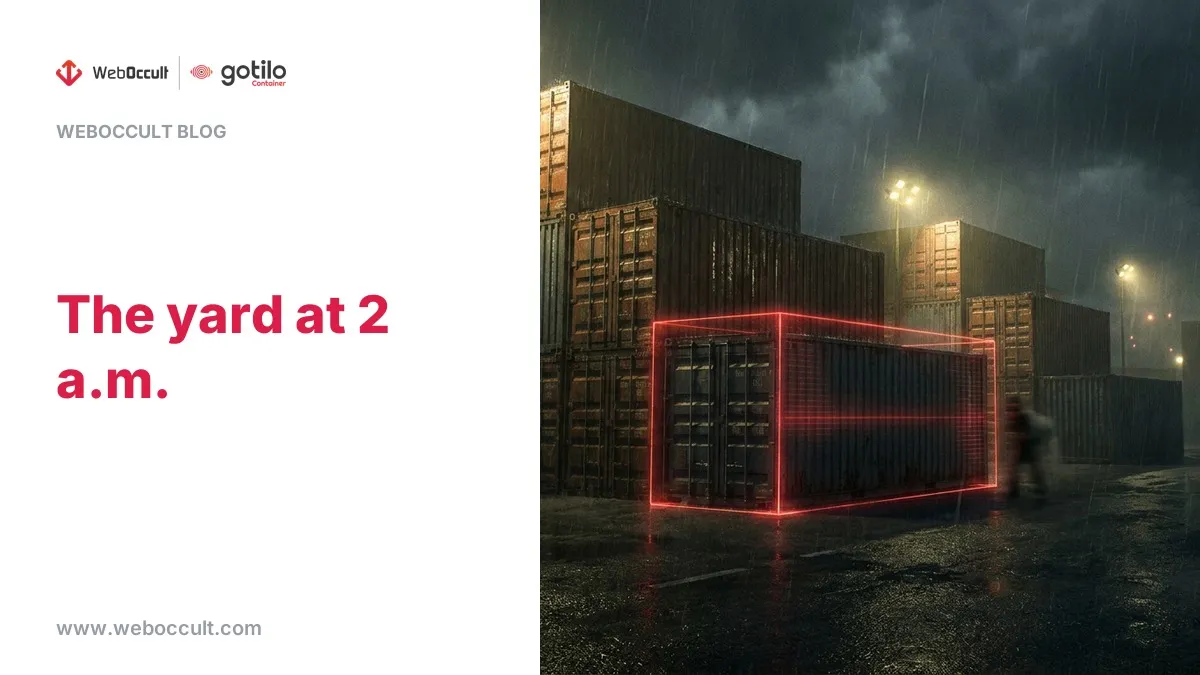
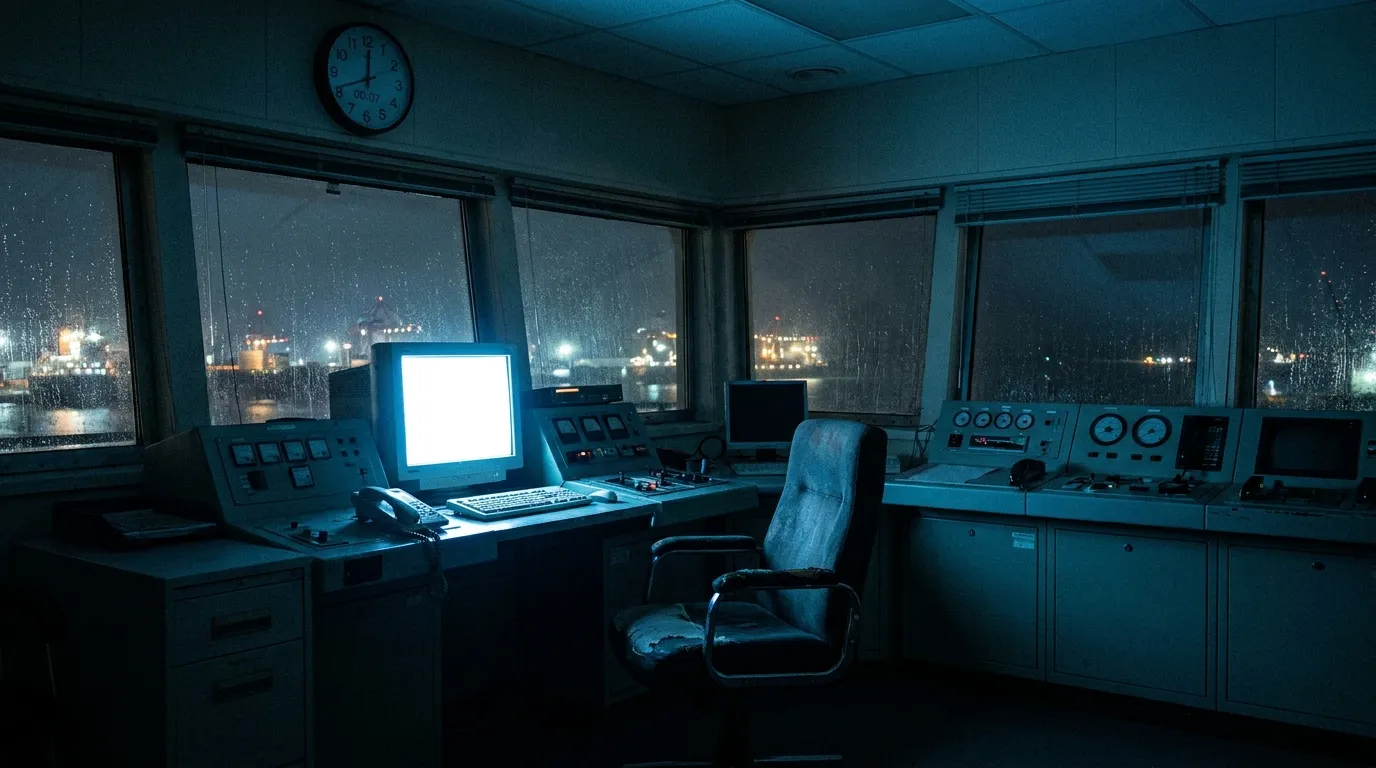
It is 11:40 on a Thursday night. The yard is dark, the gate is shut, and Suresh, the duty manager, has gone home. On a screen in an empty control room, three container records tick past midnight. At 12:00, their free time ends. The clock starts. A few rupees an hour, then a few more, compounding while everyone sleeps.
By Friday morning, finance has a question about an unexpected line item. By the afternoon, the customer has an invoice. By next week, Suresh is writing an apology for a charge that was visible on a screen at midnight, in a room nobody entered for eight hours.
The short answer: demurrage is the most preventable loss in a yard. You reduce it by watching dwell time, an accurate gate-in clock plus continuous container visibility, so the system can alert the crew before each box crosses its free-time threshold, not after the charge lands.
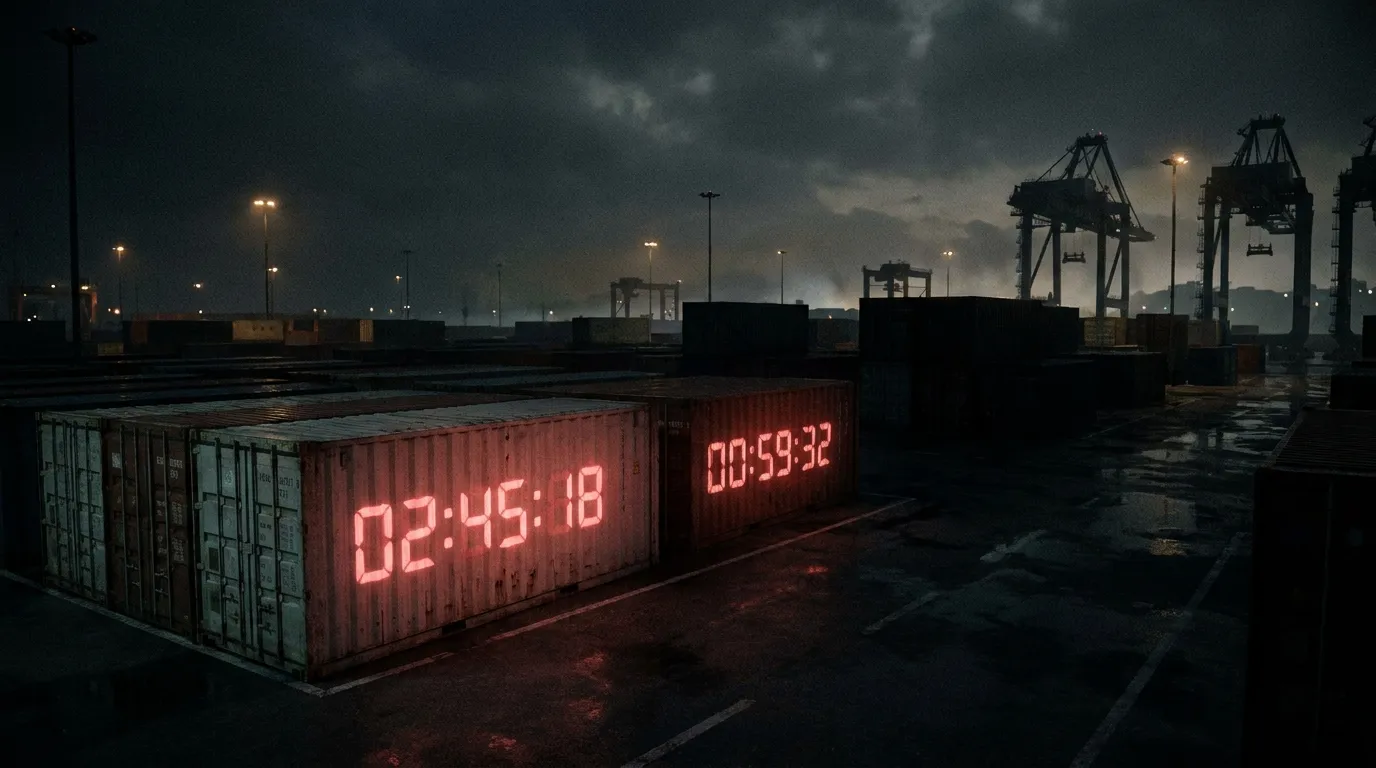
Most yard losses announce themselves. Demurrage is the quiet one. The container simply had to move, the crew simply had to know it needed to move, and the information simply had to reach them in time. Three ordinary gaps break that chain:
1. Visibility is backward-looking. Most systems can tell you a box entered four days ago. Far fewer push an alert that says this box crosses its free time in six hours.
2. The watch is manual. Someone has to remember to check, on top of everything else a duty manager carries.
3. The forgotten box. Once a container drops off the daily radar it can sit for weeks. In one audit we found a box parked for 247 days, billed for twelve. The other 235 were a donation.
The hard part is not catching the one box at 247 days. It is catching the fifty quietly on day 60.
AI vision supplies the first piece by getting the gate-in identity and timestamp right and keeping the box located, so its dwell is never lost. The platform supplies the countdown and the alert that reaches the duty manager and crew while the box can still be moved for free.
Demurrage stops being a monthly surprise and becomes a managed number. Suresh starts the day with a short list, these boxes cross a threshold today, in this order, and works it down. Finance stops finding line items after the fact. The customer relationship stops absorbing avoidable apologies. None of this is a dramatic find. It is the steady daily catch of inventory about to slip out of mind.
1. What is demurrage in container yards?
It is the charge that accrues when a container stays beyond its allowed free time. It compounds quietly and is usually preventable if the box moves before the threshold.
2. What is the difference between dwell time and demurrage?
Dwell time is how long a box sits. Demurrage is the money that starts once dwell crosses the free period. Watching dwell is how you prevent demurrage.
3. How much demurrage can a yard actually avoid?
Most teams cannot say, because boxes that drift past free time were never flagged. The first win is making that donated-storage number visible. The second is watching it fall.
How much free storage did your yard donate last month? If you cannot answer, that absence is the opportunity. The most expensive asset in any port is a clock nobody is watching. gotilo.