





















Certified information security and AI. Your Data secured and Private to you.
Talk with us
Measure accurately. Align precisely. Eliminate waste before it rolls forward.
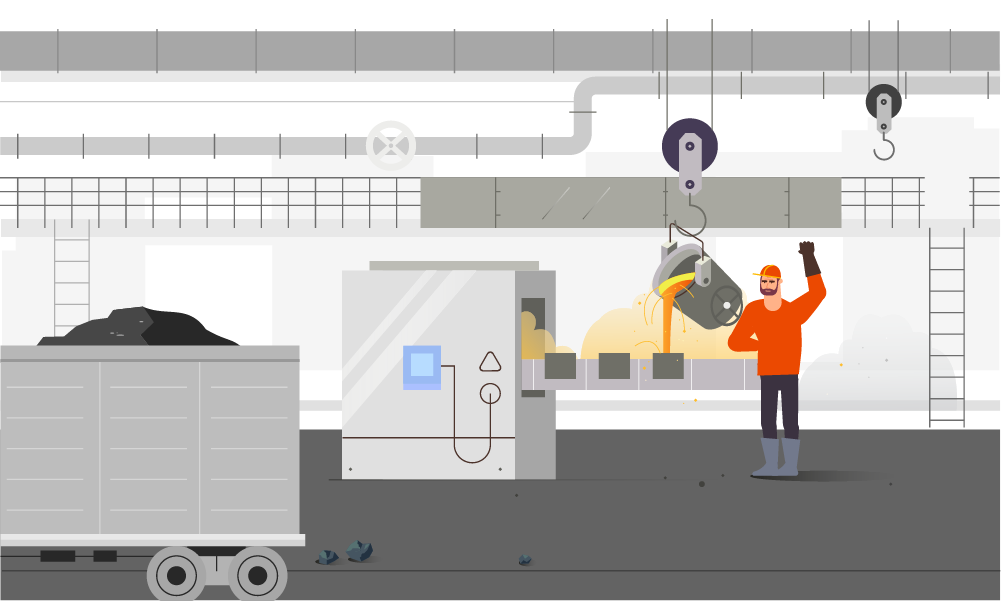
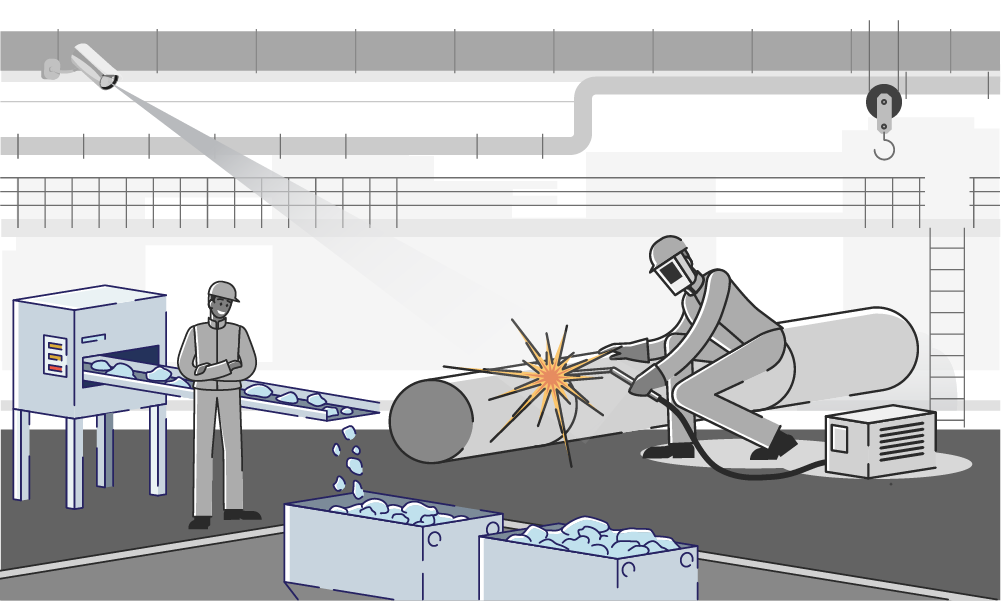
Slight misalignments or dimensional inaccuracies in steel slabs during early stages can snowball into major product defects downstream. Manual caliper checks or edge-based sensors are limited in both accuracy and coverage, leading to off-spec output, wastage, and line slowdowns. AI-powered Slab Dimension & Alignment Check uses real-time computer vision to measure slab width, thickness, edge straightness, and alignment during rolling. It continuously validates dimensions against set tolerances and flags deviations, ensuring the process stays precise from the start.

Inaccurate width, thickness, or shape leads to product rejection or trimming loss.

Crooked entry into rollers or downstream units causes uneven rolling or jams.

Spot checks dont capture continuous variation across slabs, especially under high speed.

Thermal expansion, inconsistent feed rate, or load fluctuations distort slab consistency.

Captures continuous width, thickness, and tapering across slab length in millimeters.

Tracks deviation from centerline and detects lateral shifts during rolling.

Operators are notified when slabs fall outside configured dimensional thresholds.

Can auto-adjust cutters or side guides based on alignment feedback.
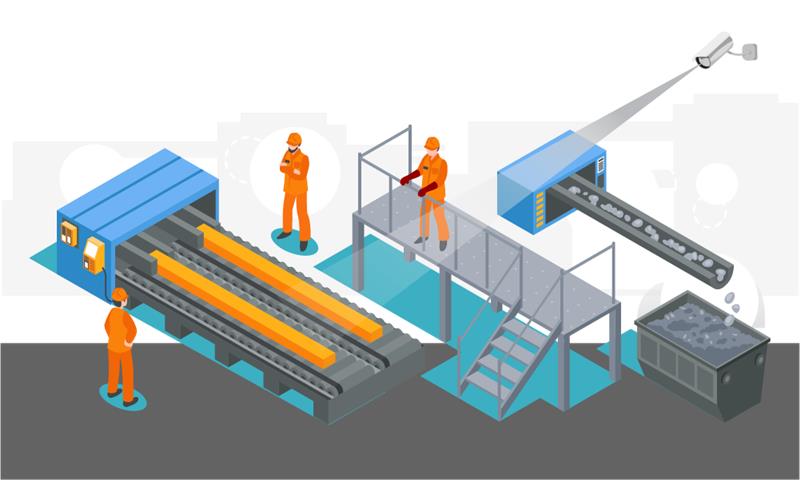
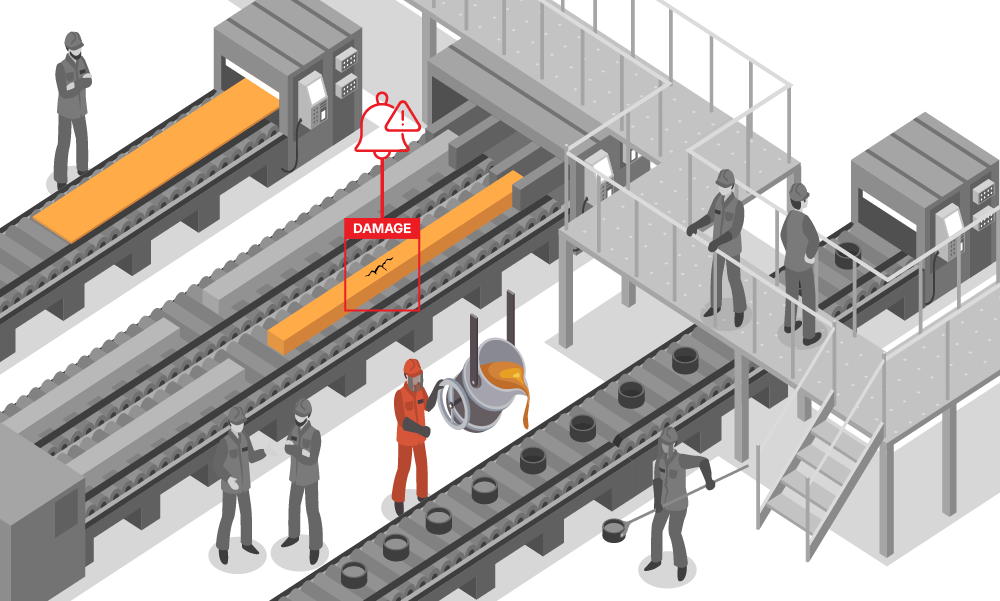

We work with your production and QA teams to identify the most dimension-sensitive sections, typically between caster exit, descaler zone, and initial roughing stands.

High-speed, high-res cameras are mounted at 3+ angles (top + both edges) to capture slab shape and line position. Each setup is calibrated for steel grades and light conditions.

We use past QC logs to train models that identify when and how slabs deviate, whether due to uneven cooling, feeder irregularity, or guide misalignment.

Deviation triggers are integrated with hydraulic rollers, guide controllers, or cutters, either for manual override or automatic micro-adjustments. Logs are archived for post-shift quality reviews.
Stay updated with the trending and most impactful tech insights. Check out the expert analyses, real-world applications, and forward-thinking ideas that shape the future of AI Computer Vision and innovation.
Three months after the incident, the assessor sits across from Meera, the operations manager, and slides a form over the desk. She is ready for questions about helmets, about whether the supervisor was present, about protocol. He asks none of them. He asks one thing instead: show me the footage. Meera’s yard runs safety well. […]

CEO & Co-founder
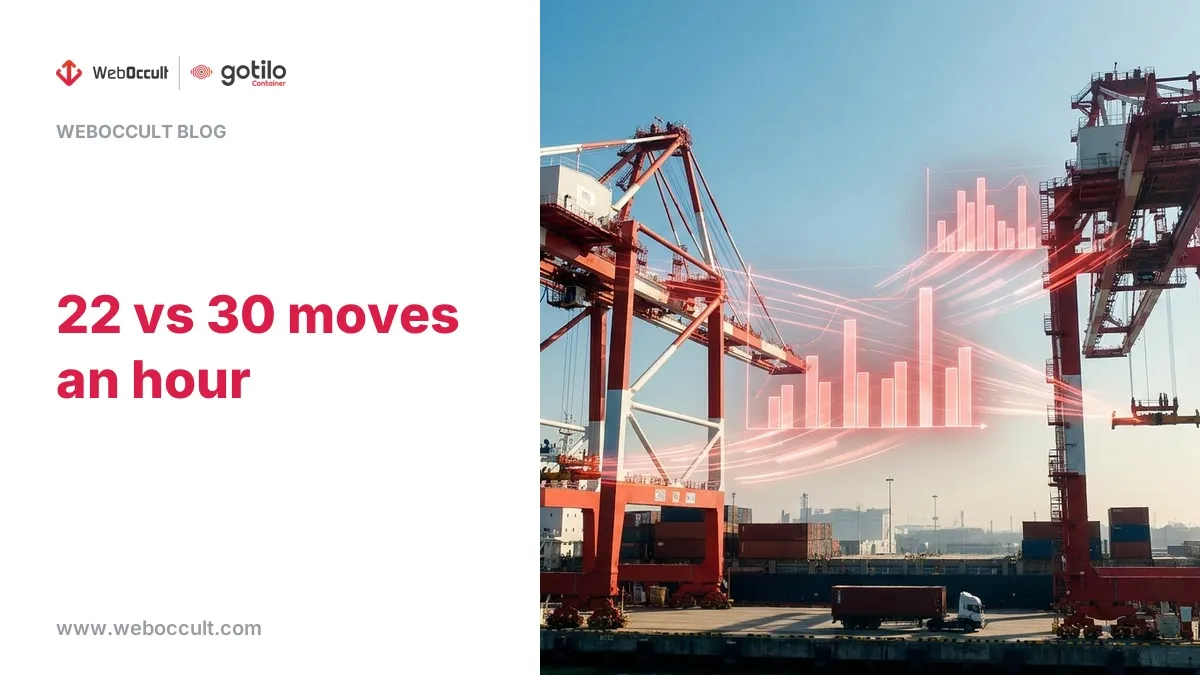
Deepak runs operations at a mid-size terminal, and one number has bothered him for a month. Two ship-to-shore cranes, side by side. Same model, same year, same maintenance schedule. Crews rotate between them every shift. One averages 22 moves an hour. The other averages 30. He sends a maintenance team over the slow one. They […]
CEO & Co-founder
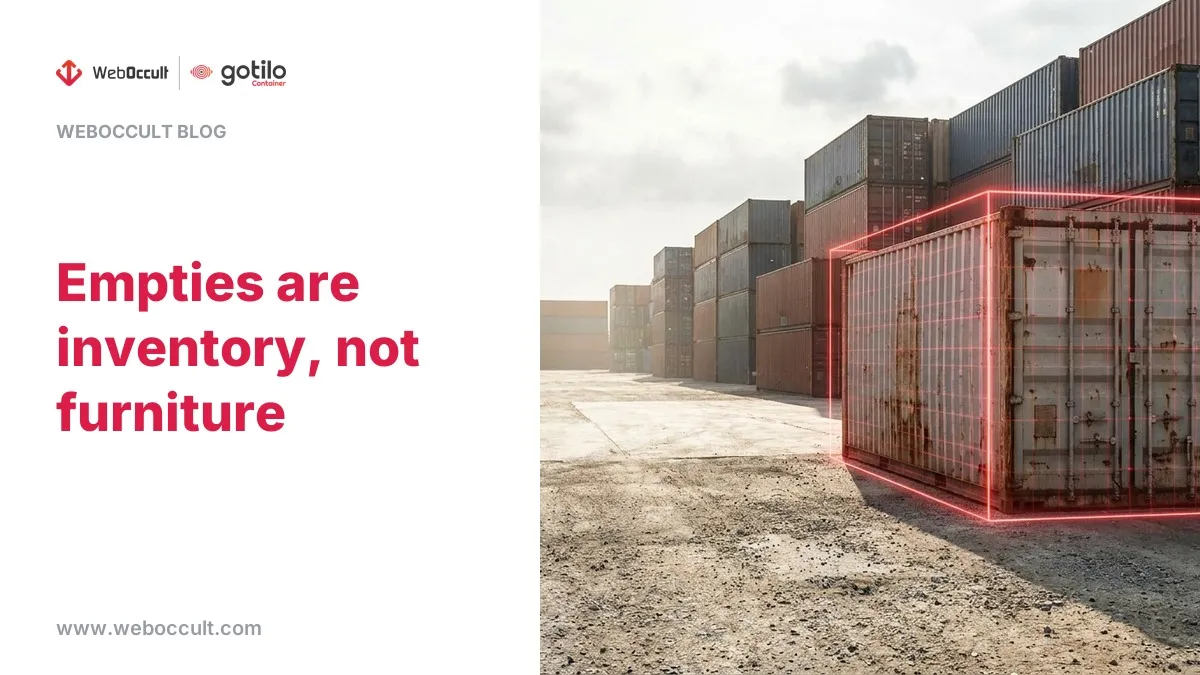
Pravin has run the empty depot for nine years, and he will tell you he knows every box in it. Then he walks you to the far corner, points at a container furred with dust, a small spider web in the corner casting, and goes quiet. It came in months ago. Nobody remembers the booking. […]
CEO & Co-founder
