





















Certified information security and AI. Your Data secured and Private to you.
Talk with us

CEO & Co-founder
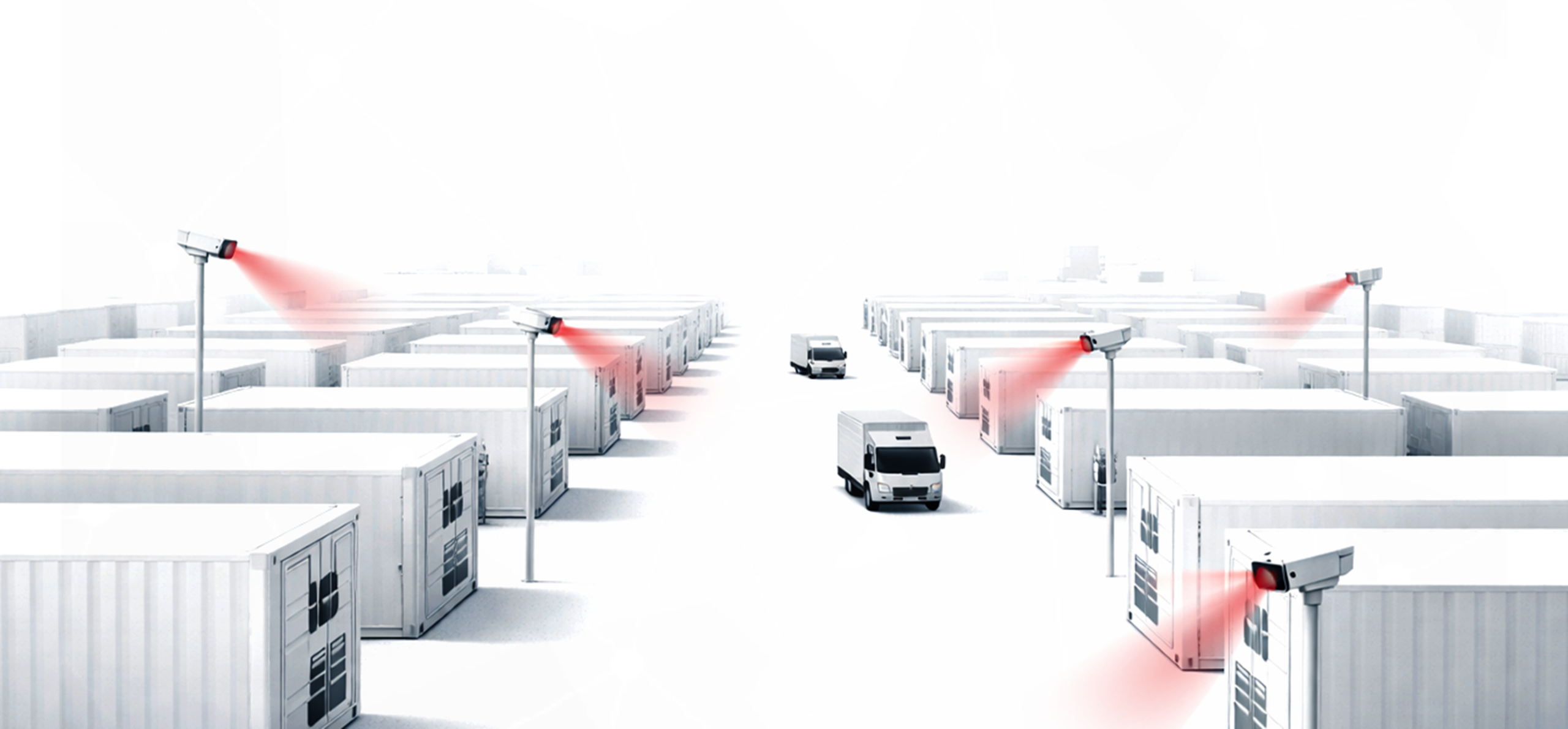
There’s a strawberry sitting in a warehouse in a port somewhere in Europe right now. It was picked three days ago. And if someone doesn’t know exactly what temperature it’s been kept at for the last 72 hours, that strawberry, and about 40,000 others just like it, might be quietly rotting.
Nobody talks about that part enough.
Cold chain logistics automation is not a new idea. It’s been revolving around supply chain circles for years, mostly as a promise, something consultants put in decks and logistics directors nod along to during quarterly reviews.
But actually doing it, at scale, across thousands of refrigerated containers moving between ports and rail yards and distribution centers? That’s where things get complicated. That’s where most companies still haven’t caught up.
Let us explain what we mean.
For decades, temperature monitoring in cold chains worked something like the following process. A technician walks up to a reefer unit, checks the display, notes down a reading on a clipboard, and then moves on. Maybe that is the data that gets entered into a system later. Maybe it doesn’t. Maybe by the time someone notices that a unit shifted to -6°C when it should’ve stayed at -2°C, the cargo is already compromised. The claim has already happened.
It was reactive. Almost and entirely reactive.
For a long time, that was acceptable? Because the alternatives were expensive. They are also technically messy, and also hard to justify to the finance teams, who didn’t want to hear about IoT sensor infrastructure, at all.
But then the things changed. Cargo values went up. Regulatory scrutiny around pharmaceuticals, biologics, and food safety got tighter and tighter. And a few painful recalls reminded everyone that we checked it three hours ago isn’t really a defense.
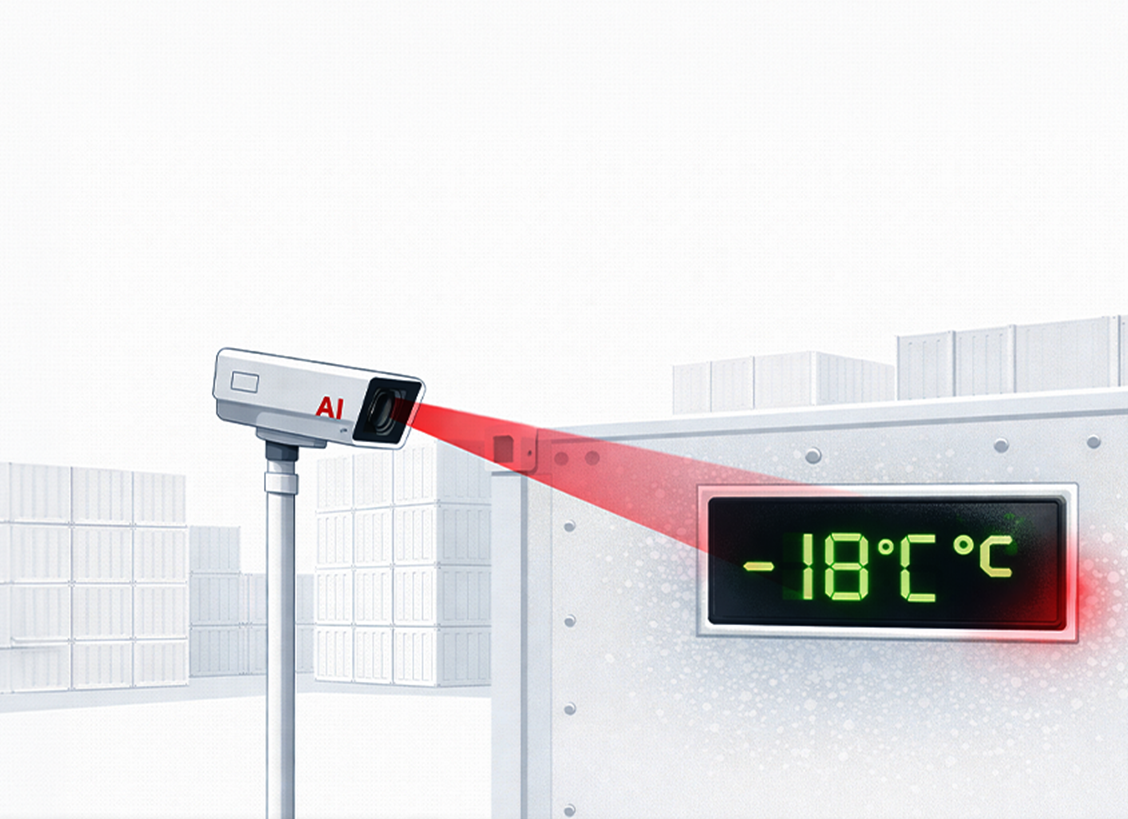
Here’s the thing about reefer temperature monitoring done right- it tells you what’s happening and what’s about to happen in realtime.
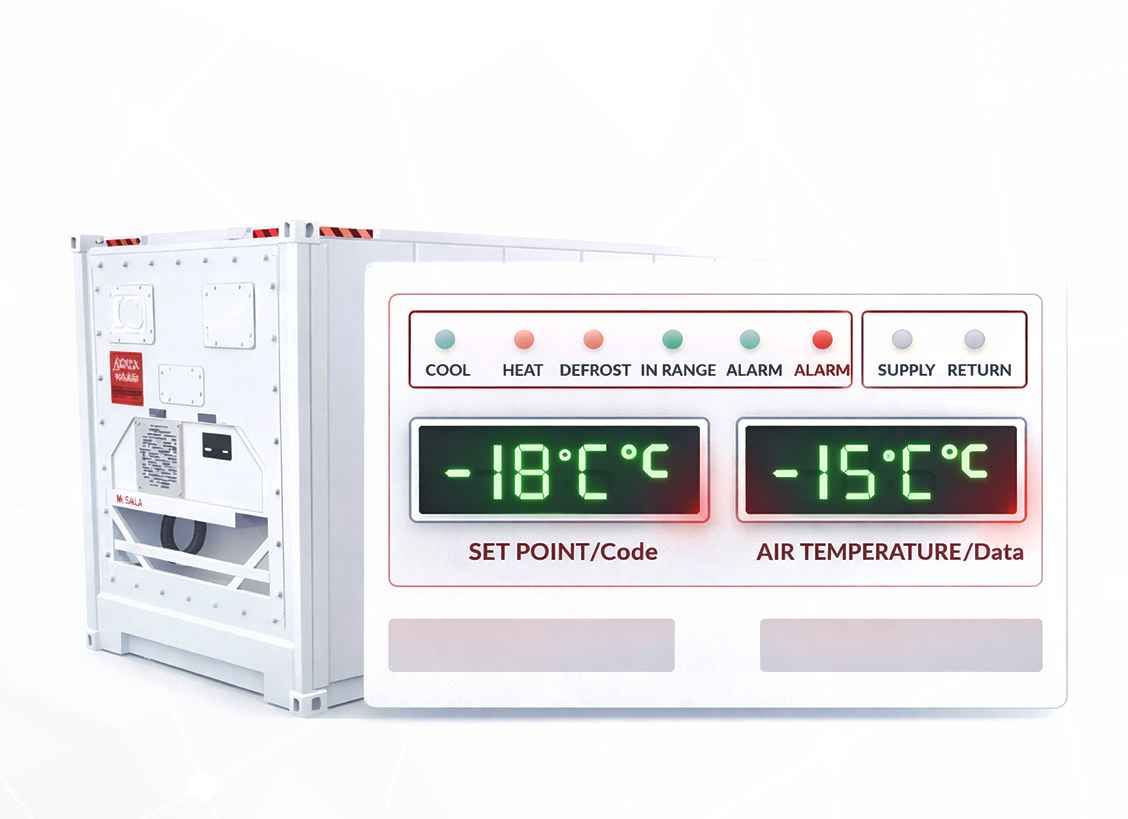
Modern refrigerated container monitoring systems pull continuous data streams from reefer units, temperature, humidity, power status, alarms, and feed them into dashboards that someone can actually act on. Not in three hours. Not after a port call. Now. In real time, from anywhere.
The shift is significant. Instead of a technician walking the yard with a clipboard, you have a centralized view across your entire fleet. An alert fires the moment a unit deviates from its setpoint. A maintenance team gets dispatched before the cargo is at risk, not after.
There’s also something almost underappreciated here, the data trail. Pharmaceutical shippers in particular know this well. When a regulatory body asks for proof of temperature compliance across a shipment’s entire journey, you either have it or you don’t. Automated supply chain temperature tracking gives you that proof, timestamped and continuous, without anyone having to reconstruct it from memory or partial logs.
Automation is one thing. But AI-powered logistics monitoring is a different magic altogether.
Traditional monitoring flags anomalies after they cross a threshold. AI-based systems start recognizing patterns, a reefer unit that consistently runs warm in the afternoons (probably a compressor issue starting to develop), a container that shows erratic humidity readings in certain weather conditions, a cluster of units on the same vessel with subtly similar fault signatures.
The difference between “this unit is out of range” and “this unit will likely fail within the next 18 hours based on its behavioral profile”, that’s not a small gap. That’s the difference between a manageable intervention and an insurance claim.
Is AI doing all of this perfectly right now? No. I’d be exaggerating if I said the technology is fully mature across every use case. But in specialized environments, terminal yards, port facilities, intermodal hubs, the results have been genuinely impressive. Predictive maintenance for reefer equipment is no longer theoretical. It’s being deployed.
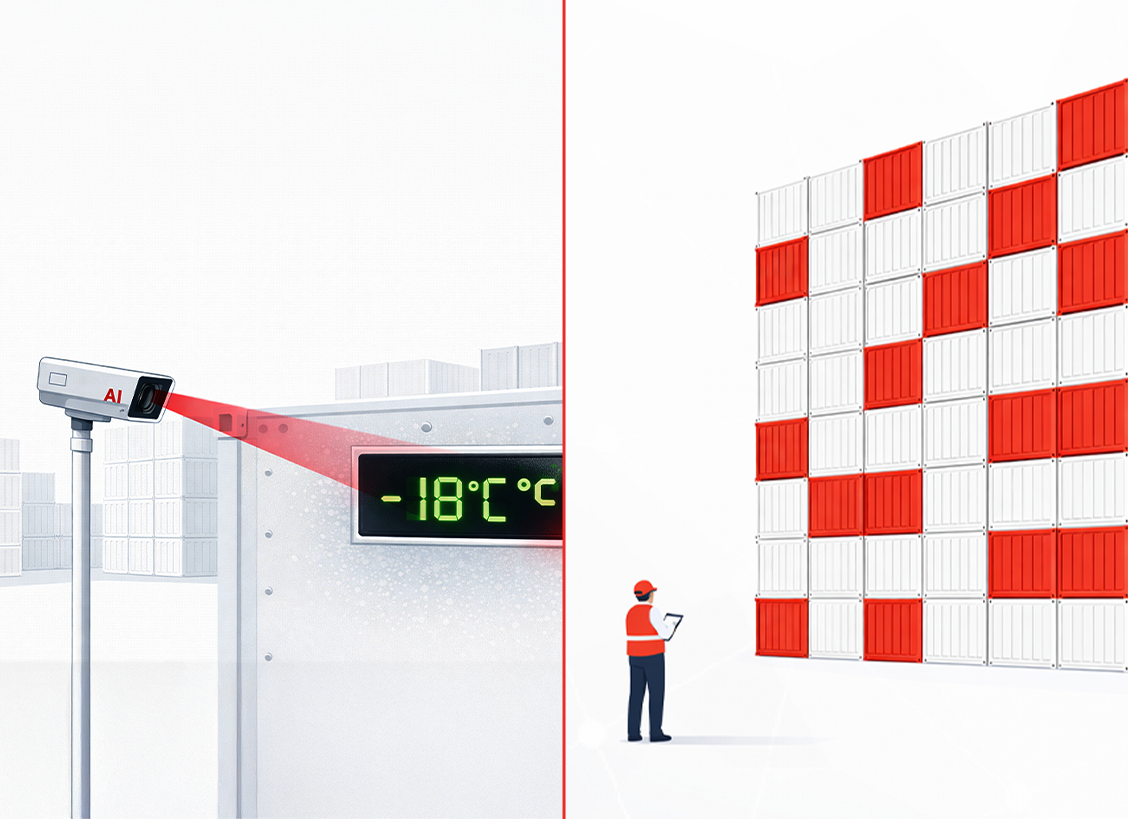
Here’s something I think gets overlooked in all the tech enthusiasm: the human side of automation adoption.
Introducing automated cold chain monitoring into a yard operation doesn’t just change the technology. It changes workflows, job roles, and honestly, sometimes the culture. A veteran yard supervisor who’s spent 20 years trusting his instincts about which reefer “sounds funny” isn’t automatically going to trust an algorithm that tells him the same thing in a different language.
That resistance is understandable. And companies that bulldoze past it tend to end up with expensive systems that people route around.
The successful implementations I’ve seen treat automation as a tool that supports experienced operators rather than replacing their judgment. The alert tells you something’s wrong. The person decides what to do about it. That balance matters more than the technology specs.
Let’s be direct about this: the regulatory environment around cold chain documentation is tightening, not loosening.
The EU’s stricter rules on pharmaceutical distribution, evolving FDA requirements for cold chain integrity, and growing consumer and retailer pressure on food traceability are all pointing in the same direction. Paper logs and manual checks will become liabilities. Not immediately, not for everyone, but the trajectory is clear.
Companies that invest in robust refrigerated container monitoring systems now aren’t just solving today’s operational problems. They’re building compliance infrastructure that will become increasingly necessary. Treating it as optional is a bit like waiting until you need a fire escape to install one.
Somewhere between exciting and genuinely complicated, if I’m being honest.
The technology works. The business case, in most scenarios, is solid, reduced spoilage, faster exception response, better documentation, and the kind of operational visibility that used to require a small army of people to approximate. The ROI math usually isn’t hard to make.
What’s hard is implementation. Integration with legacy port management systems, change management within operations teams, connectivity in environments that weren’t designed for IoT, these aren’t small things. They’re why a lot of cold chain automation projects stall after the pilot phase.
If you’re actively exploring this space, particularly for terminal yard operations, Gotilo Container from WebOccult is worth a serious look. It’s built specifically around the kind of integrated yard and gate automation that real terminals actually deal with: AI-powered gate scanning, container search, CHE geo-tracking, and yes, dedicated reefer monitoring. It’s not a generic IoT platform retrofitted for logistics, it was designed from the ground up for this environment. For operations teams trying to move from reactive manual monitoring to genuinely automated cold chain oversight without stitching together five different vendor solutions, that kind of purpose-built focus tends to matter a lot.
The strawberry in Rotterdam probably doesn’t care what software is watching over it. But the shipper does. And increasingly, so does everyone else in the chain.