




















Certified information security and AI. Your Data secured and Private to you.
Talk with us
Track molten metal movement with precision. Prevent spills, reduce risk, and enhance casting control.
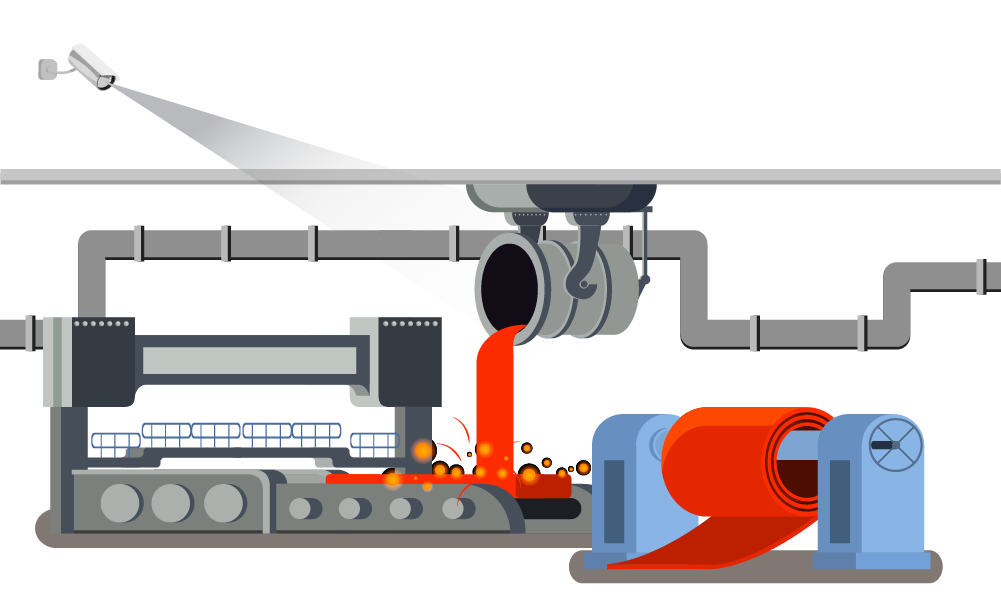
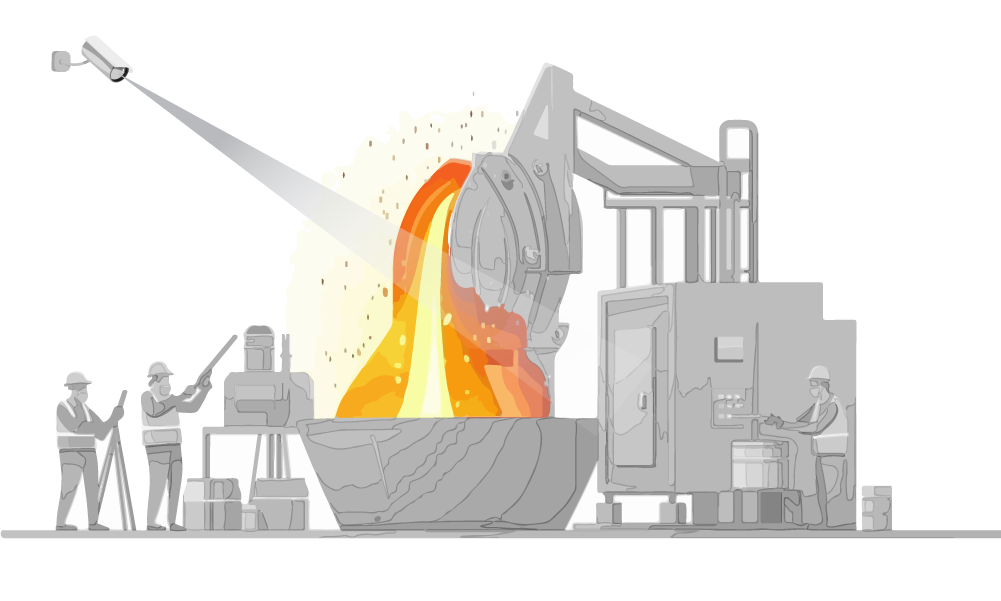
In steel plants, ladles carry molten metal at extreme temperatures. Any delay, misalignment, or deviation during transfer can result in accidents, production loss, or structural damage. AI-powered Ladle Movement Tracking ensures real-time visual tracking of ladles from furnace to caster, monitoring position, speed, alignment, and stoppage. It reduces manual dependency and boosts safety during the most hazardous phase of steelmaking.

Human oversight during ladle movement is inconsistent, especially in high-heat, low-visibility areas.

Improper ladle alignment or delay can lead to defective casting or spillage.

The area around ladle transfer is among the most dangerous, errors can be catastrophic.

No centralized way to track ladle movement from furnace to pouring station.

Constant location visibility of each ladle along transfer paths using AI-based vision.

The system notifies operators when ladles deviate from preset alignment zones.

Detects unusual speed variations that indicate mechanical issues or operator error.

Designed to function accurately under low lighting, glare, and smoky environments.
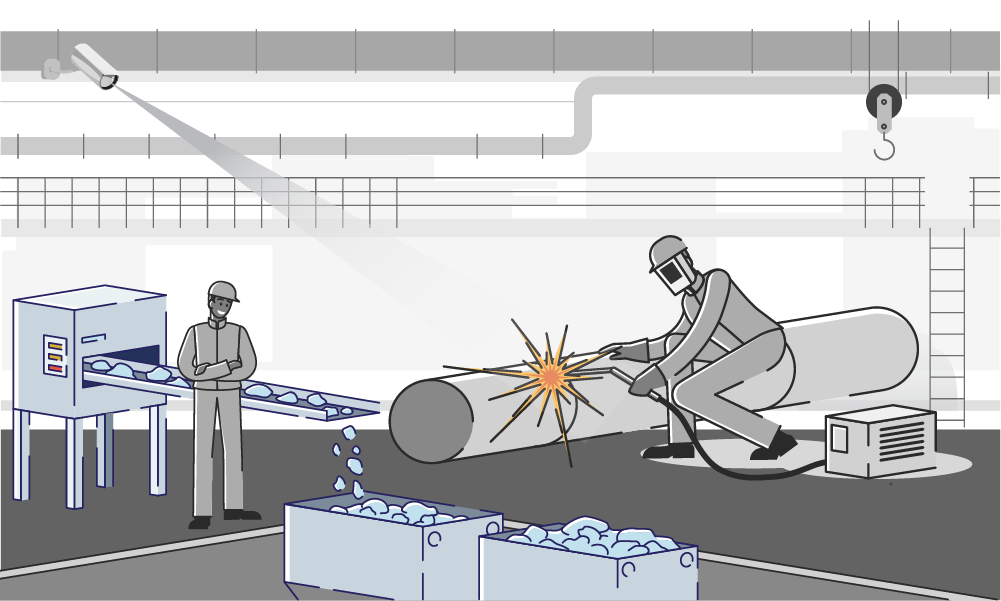
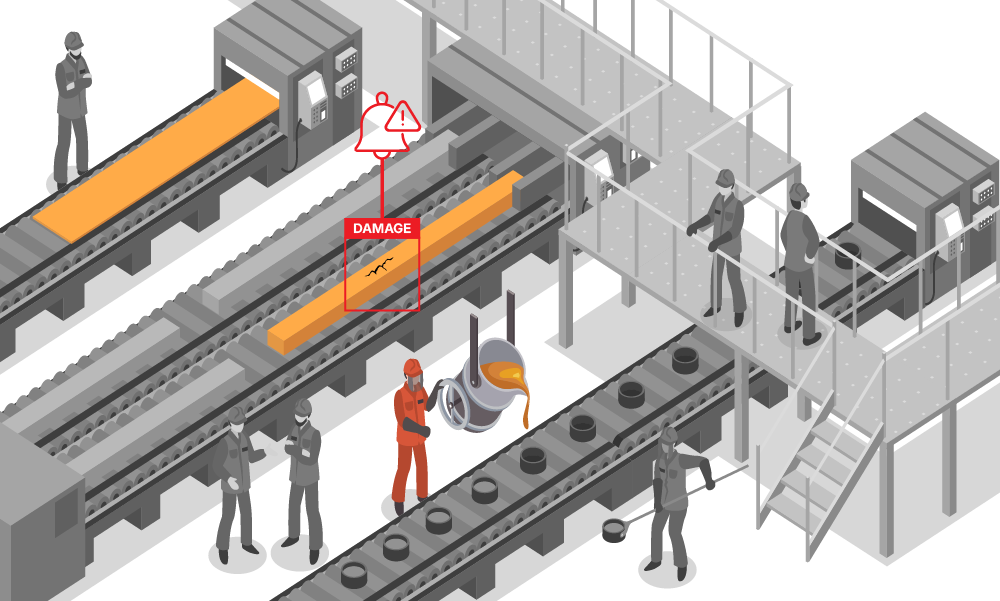

Every steel plant has unique ladle paths, from furnace, through transfer bays, to casting points. We start by mapping your ladle track layouts, transfer intervals, and critical zones (e.g., turning points, elevation changes).

Specialized thermal-resistant cameras are placed along the route to cover overhead cranes, rail paths, and pouring bays, ensuring no blind spots in motion tracking.

We collect video data of standard vs. abnormal ladle movements (e.g., misaligned pour, idle time, speed spikes). This is used to train a motion-pattern AI model specifically for your plants environment.

The AI model is connected with your SCADA or DCS system. When unusual ladle behavior is detected (e.g., excessive vibration, drift, or delay), alerts are triggered on operator screens, with optional auto-shutdown triggers.
Stay updated with the trending and most impactful tech insights. Check out the expert analyses, real-world applications, and forward-thinking ideas that shape the future of AI Computer Vision and innovation.
Three months after the incident, the assessor sits across from Meera, the operations manager, and slides a form over the desk. She is ready for questions about helmets, about whether the supervisor was present, about protocol. He asks none of them. He asks one thing instead: show me the footage. Meera’s yard runs safety well. […]

CEO & Co-founder
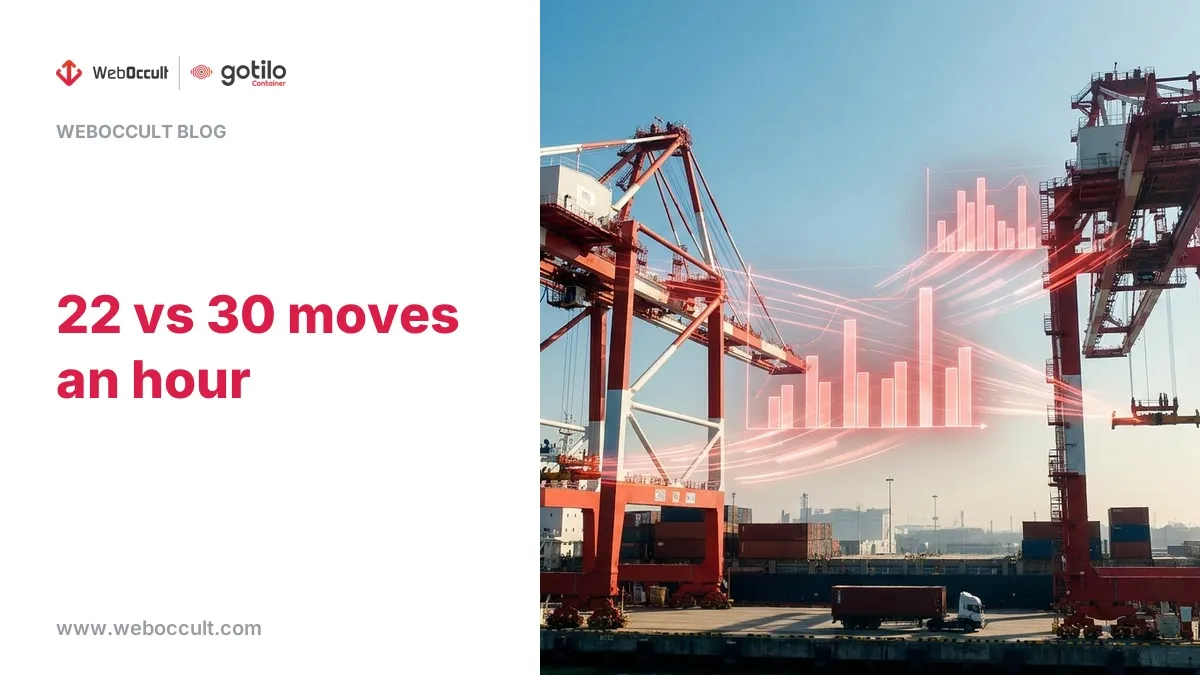
Deepak runs operations at a mid-size terminal, and one number has bothered him for a month. Two ship-to-shore cranes, side by side. Same model, same year, same maintenance schedule. Crews rotate between them every shift. One averages 22 moves an hour. The other averages 30. He sends a maintenance team over the slow one. They […]
CEO & Co-founder
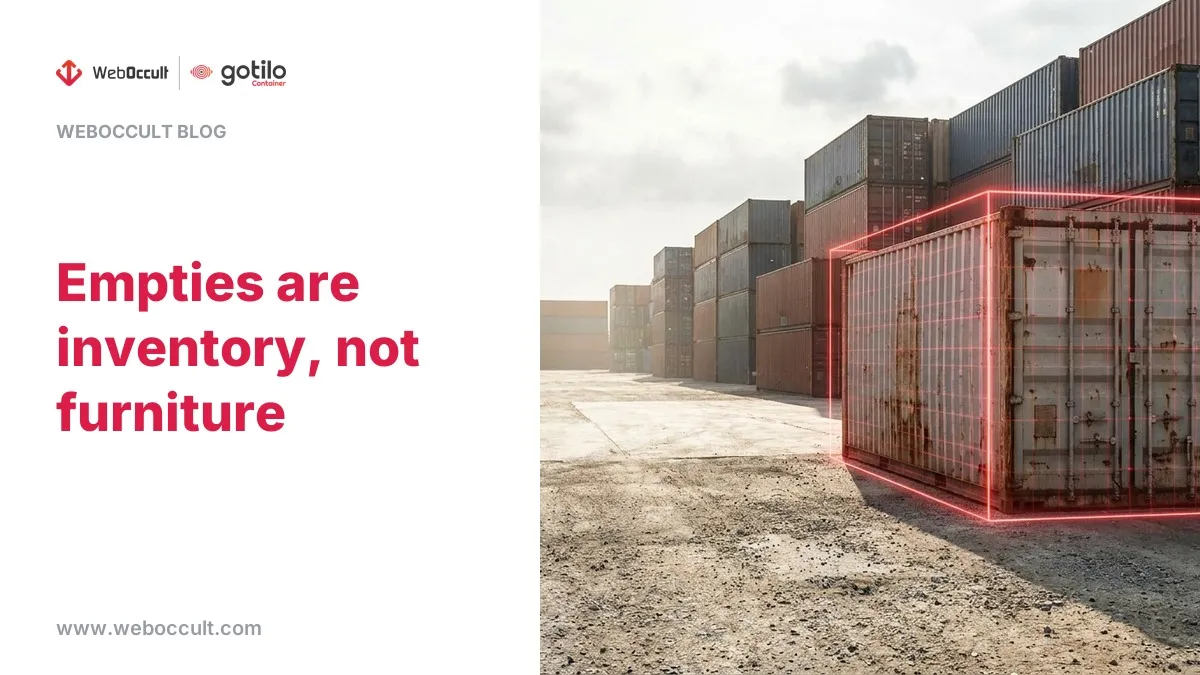
Pravin has run the empty depot for nine years, and he will tell you he knows every box in it. Then he walks you to the far corner, points at a container furred with dust, a small spider web in the corner casting, and goes quiet. It came in months ago. Nobody remembers the booking. […]
CEO & Co-founder
