What really changes when Container Movement is Tracked Visually & not Manually

Ruchir Kakkad
CEO & Co-founder
CEO & Co-founder
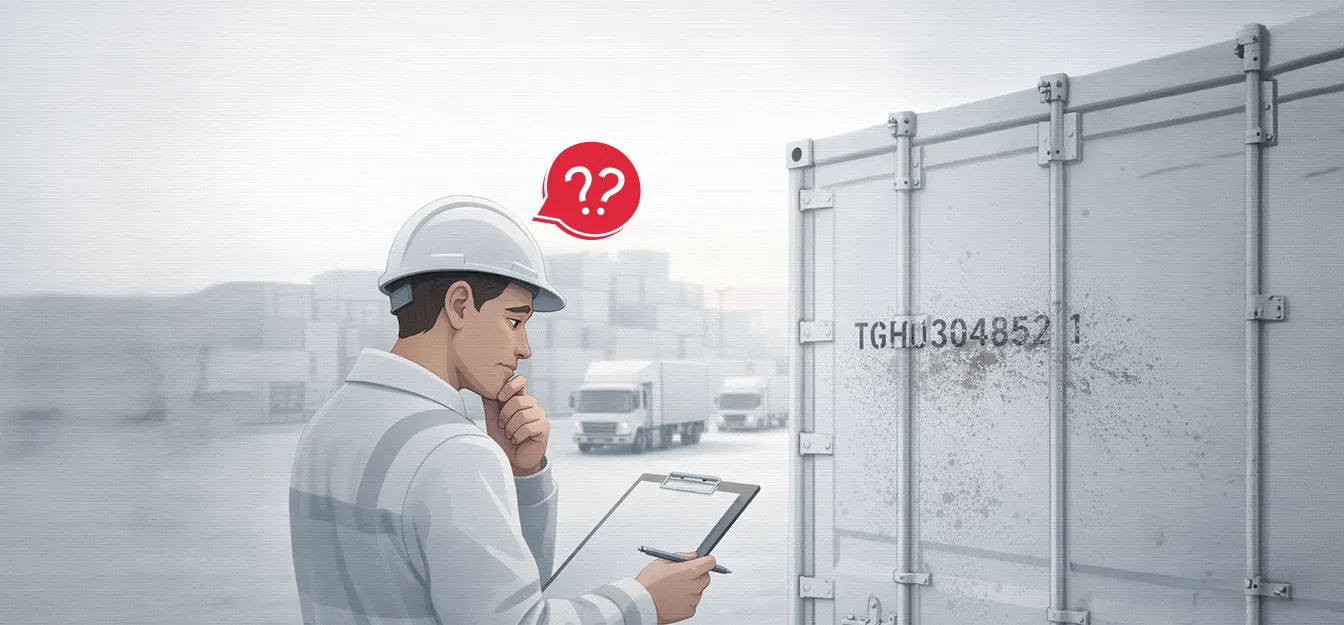
It’s 2:14 PM at a busy CFS gate.
A trailer rolls in. The container is old, dusty and sun faded.
The number is readable, but only if you look closely.
The driver wants to move fast. The queue behind him is growing.
The gate operator does what they have always done.
Reads the container number. Types it in. Checks the paperwork. Gives a nod.
Everything looks fine.
And yet, this is exactly how most container problems begin.
Not with failure. But with assumptions.
And that’s the moment you realize that the problem is not the container. It is the way we track it.
Manual tracking does not usually break loudly.
It breaks quietly.
The number is mistyped.
An ISO code is assumed to be correct.
A seal is “probably there”.
A weight value is copied but not verified.
At that moment, operations continue as normal.
But hours later:
By then, no one is sure anymore.
Manual systems do not fail at the gate. They fail after movement multiplies.
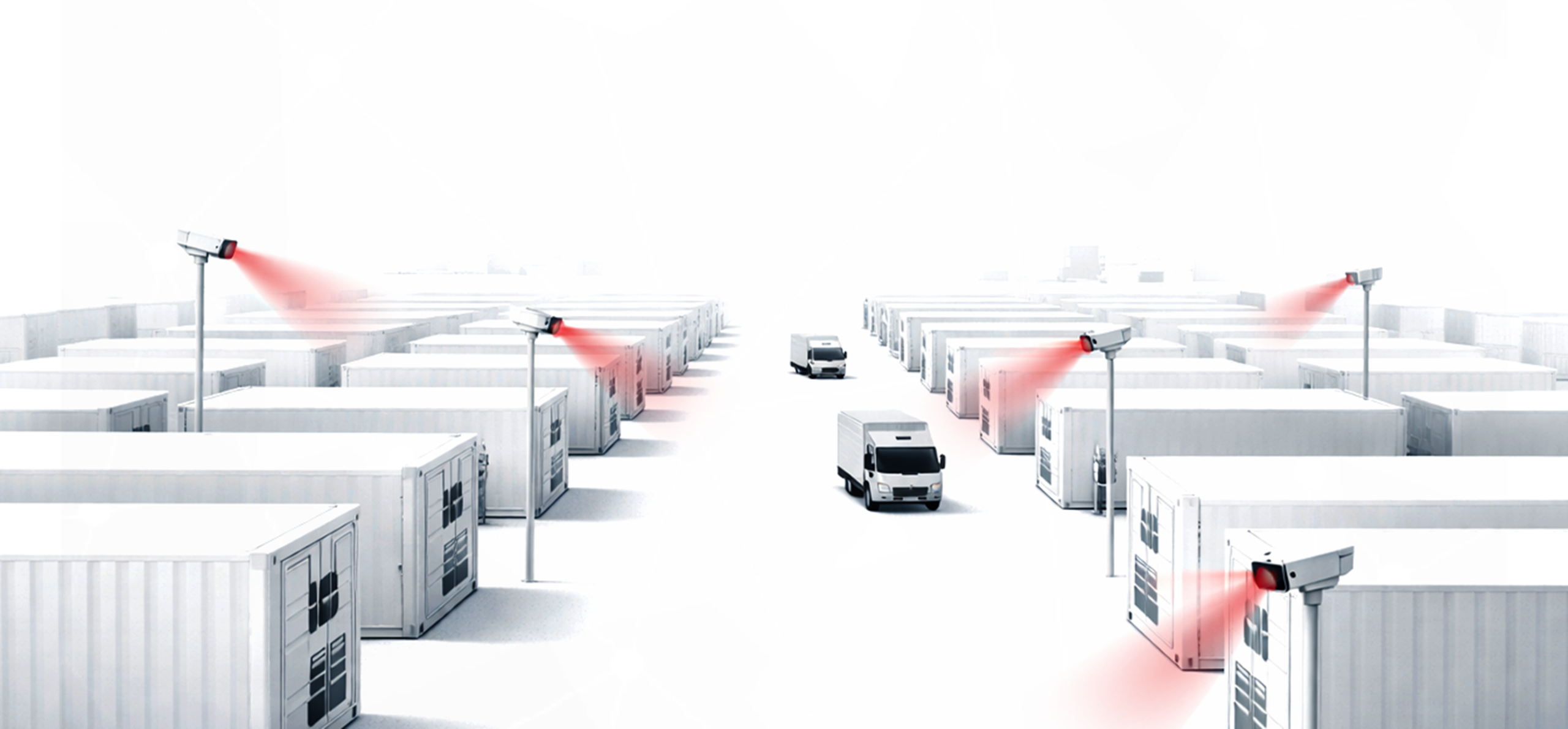
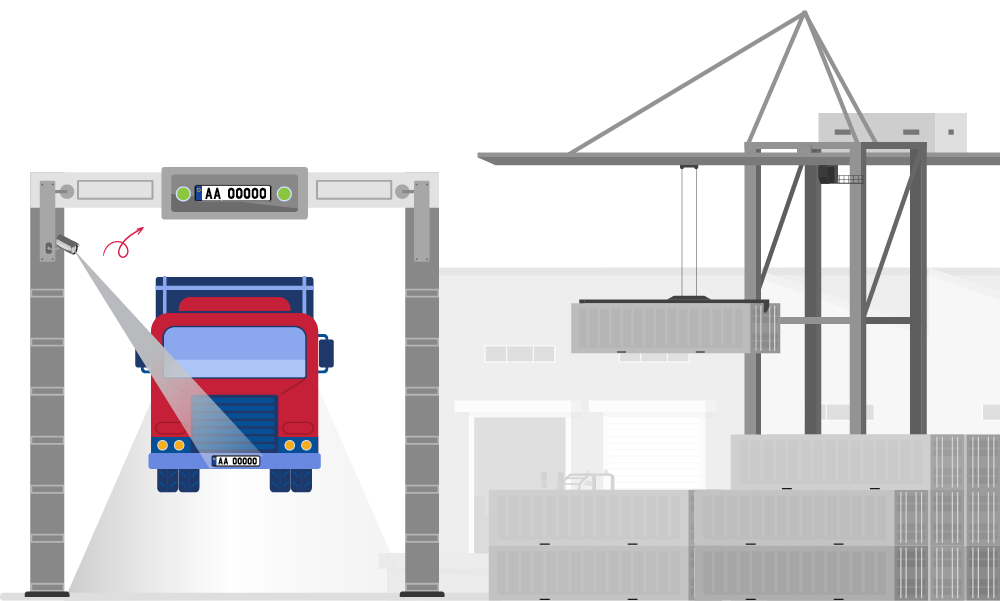
Now imagine the same gate but with Gotilo Container running.
As the trailer passes through:
No typing. No guessing. No “we will fix it later”.
Within seconds, the data appears on the Gotilo AI dashboard. It then syncs directly with the Terminal Operating System (TOS). It even syncs with the Yard Management System (YMS).
If something does not match… it is flagged immediately. This happens before the container even enters the yard.
That is the difference between tracking movement and seeing it.
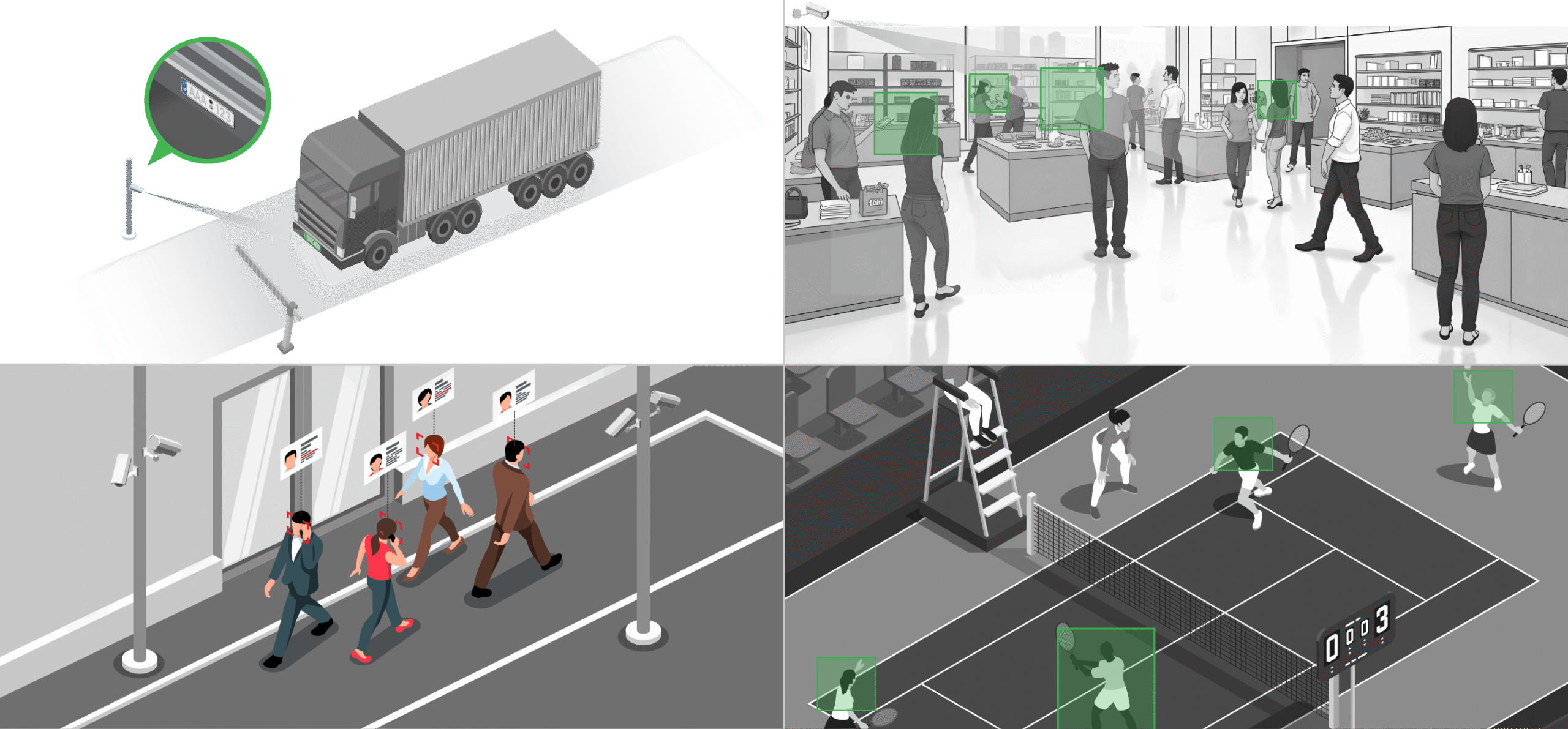
An automotive assembly plant provides a clear example. In an automotive assembly plant, vehicles move through multiple stations. And they do it every minute. Panels are welded and parts are fitted. Bolts are tightened. Components are aligned at high speed. There is no scope to stop the line and inspect everything manually.
Here, machine vision cameras are placed at critical points on the line. As each vehicle moves forward, the system visually verifies whether parts are present, aligned correctly, and assembled in the right sequence. A missing bolt or a misaligned panel or an incorrect component is detected immediately.
If something is off, that specific vehicle is diverted for correction instead of allowing the defect to travel further down the line. The system also records visual proof. It links the issue to a timestamp, station and vehicle ID.
Nothing is “checked later.”
Nothing relies on memory or manual notes.
Quality is enforced while movement happens.
This is the same principle applied in container logistics with visual container tracking. When movement and condition are checked visually, errors are stopped right away. They are caught at the source. Not left to be discovered after disputes or delays or audits.
Want to see how this works in real operations?
Watch Gotilo Container in action. https://youtu.be/kYSFBxIcuFo?si=GUQZBl9oiXjir73a
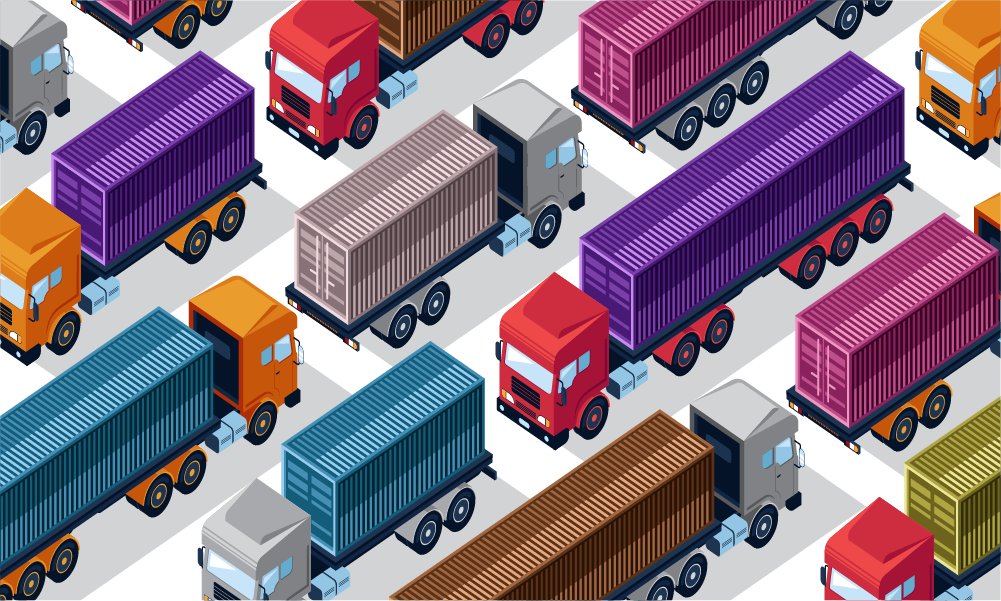
Yards are busy. Always.
Containers do not stay still. They are lifted. Shifted. Temporarily placed. Moved again.
In most yards, these movements are:
Which is why “container search” becomes a daily routine.
With Gotilo Container:
So, when someone asks, “Where is this container right now?”
There is no radio call. No walking in the yard. You will simply get an answer.
Every port and CFS knows this situation.
A container exits.
And at the next stop, damage is found.
And the conversation begins with “This was not there earlier.”
Without evidence, it becomes opinion vs opinion.
With Gotilo Container:
The question is no longer who is responsible. The answer is already there.
This is why automated damage detection is not about inspection. It is about ending disputes before they start.
Supervisors often feel congested before they see it.
“Something slows down here every day.”
Gotilo Container makes that visible.
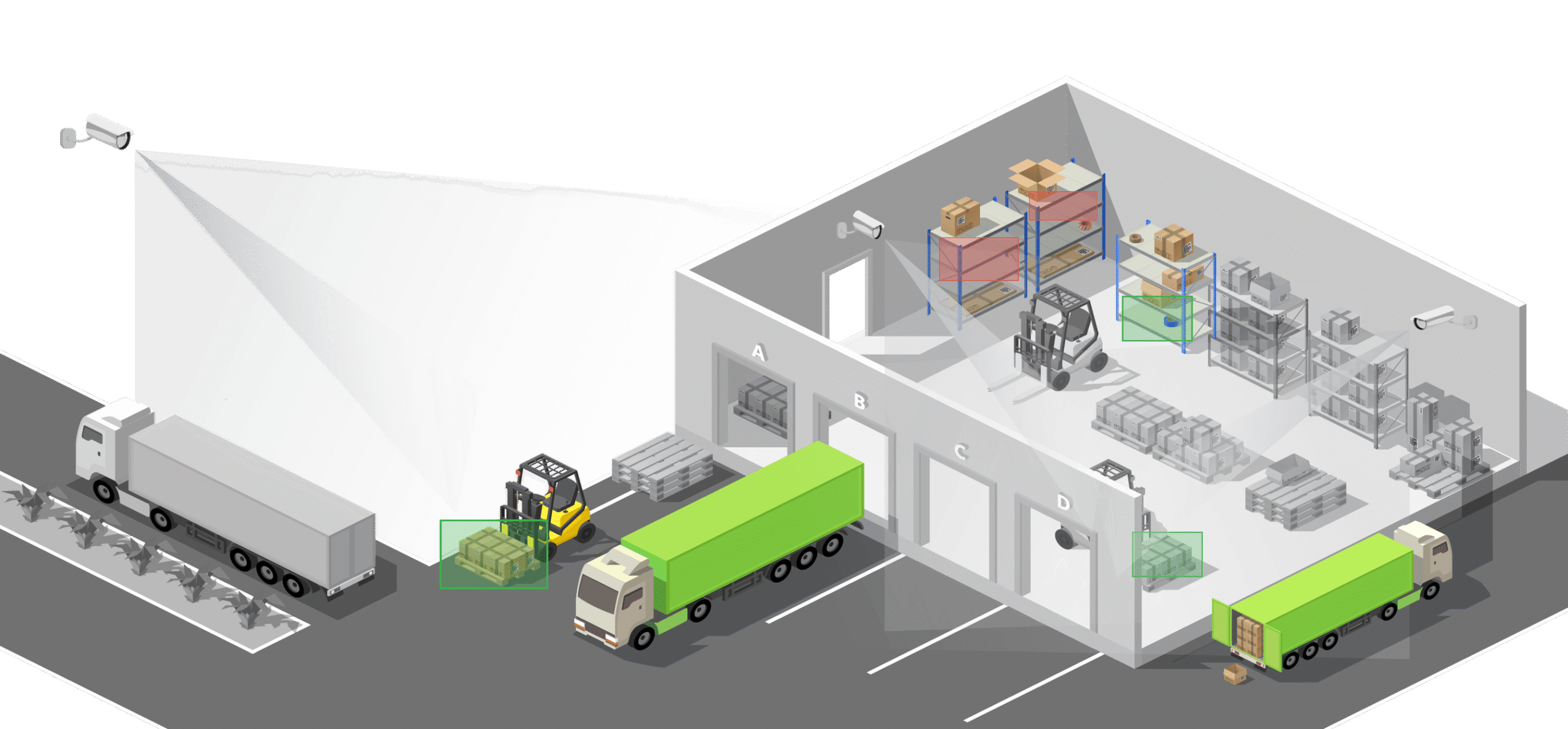
Real-time vehicle tracking shows:
Heatmaps do not argue. They reveal.
Small adjustments. Be it rerouting or better placement or smarter planning… they lead to:
Efficiency becomes measurable.
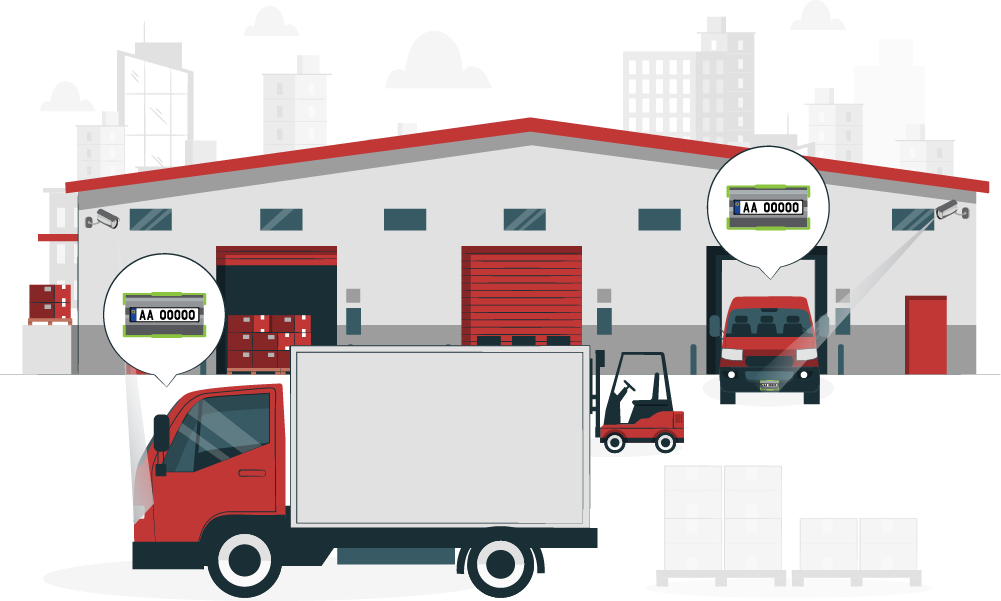
Manual tracking depends on people being:
Visual tracking depends on movement itself.
Cameras do not get tired.
They do not skip entries.
They do not assume.
They observe. In ports, CFSs and empty yards, operations never slow down. That is why consistency is everything.
Most logistics teams do not start their day planning to firefight. But when visibility is limited, operations become reactive by default. A lot of time goes into locating containers. More time goes into verifying movements. Even more goes into answering follow‑ups. And finally, fixing issues only after delays have struck.
Visual tracking changes this rhythm entirely. It replaces assumptions with evidence and replaces guesswork with clarity. It is by allowing teams to move from reacting to problems to staying in control of operations as they unfold.
When container movement is tracked visually:
Teams stop chasing problems. They start staying ahead of them.
Gotilo Container is built for real conditions:
It does not expect perfection. It works with reality. That’s why it fits ports, CFSs and empty yards.
In large logistics environments, visibility is often misunderstood. Cameras are assumed to be about monitoring people or enforcing control.
Operational vision is about understanding flow. It is about knowing where assets are and how they move. It is also about when something deviates from what is expected. When visibility is designed around operations, it builds confidence. When it is designed around observation, it creates pressure.
Gotilo Container watches movement.
And when movement is visible:
That’s what happens when container movement is tracked visually, not manually.
Let’s talk about real-time container visibility.