How AI Vision is Transforming Operations across Industries

Ruchir Kakkad
CEO & Co-founder
CEO & Co-founder
What ties these everyday moments together?
It all looks connected… until you notice the pattern!
Keep reading to know what?
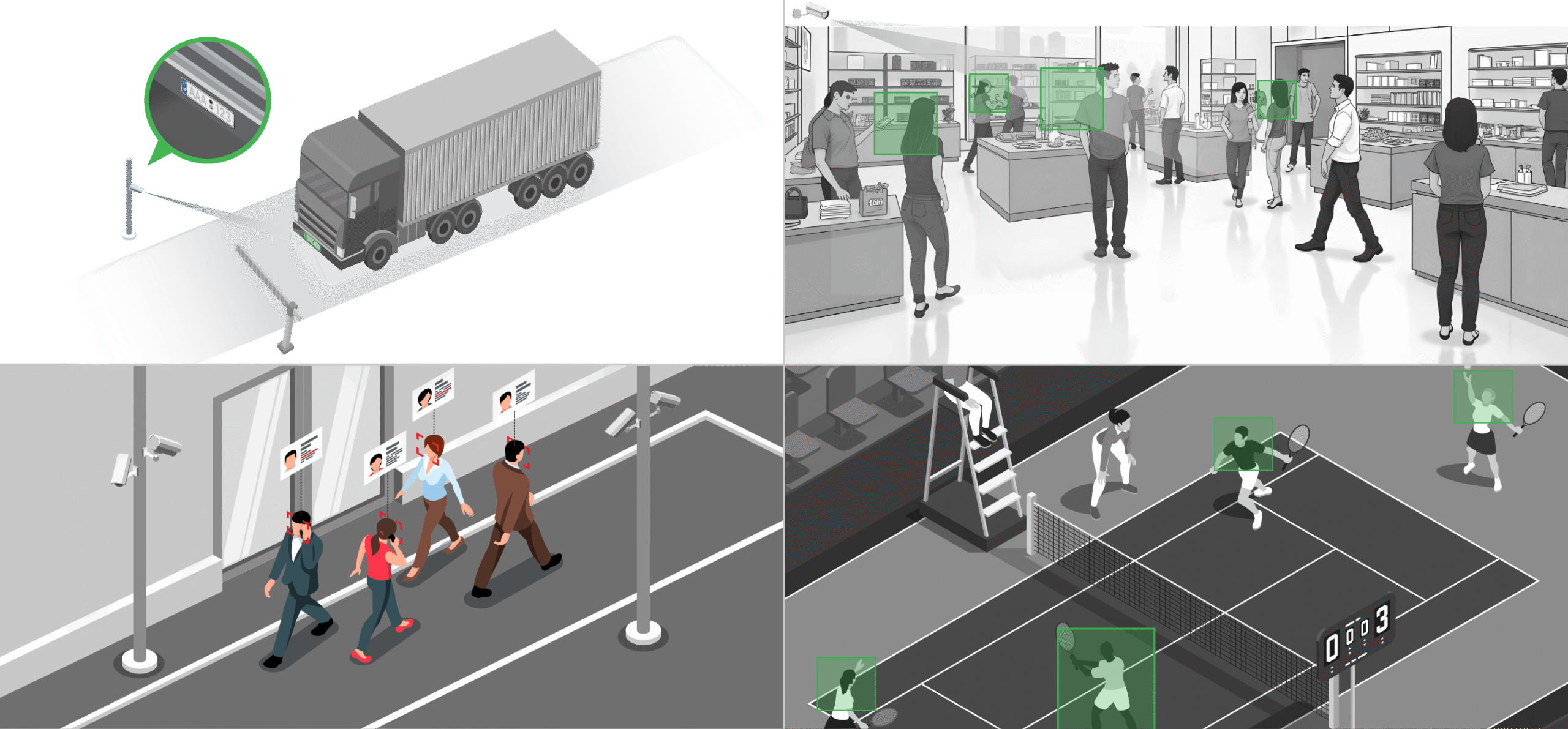
A truck entering a manufacturing campus.
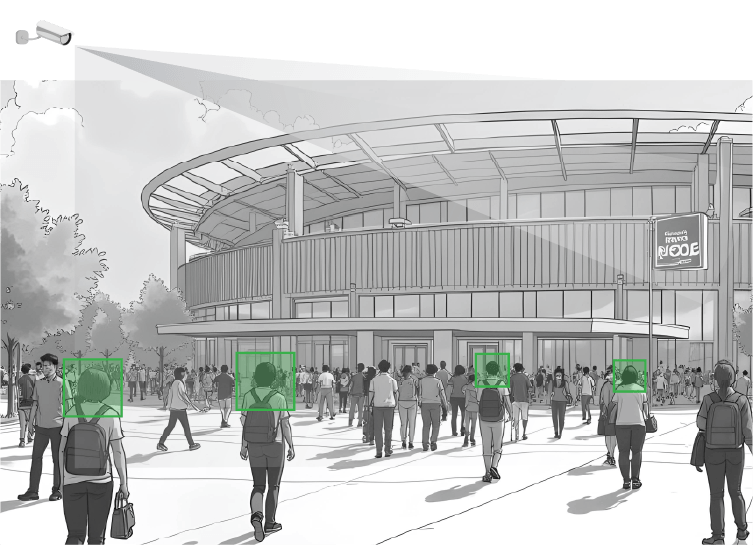
Crowds moving through a large exhibition hall.
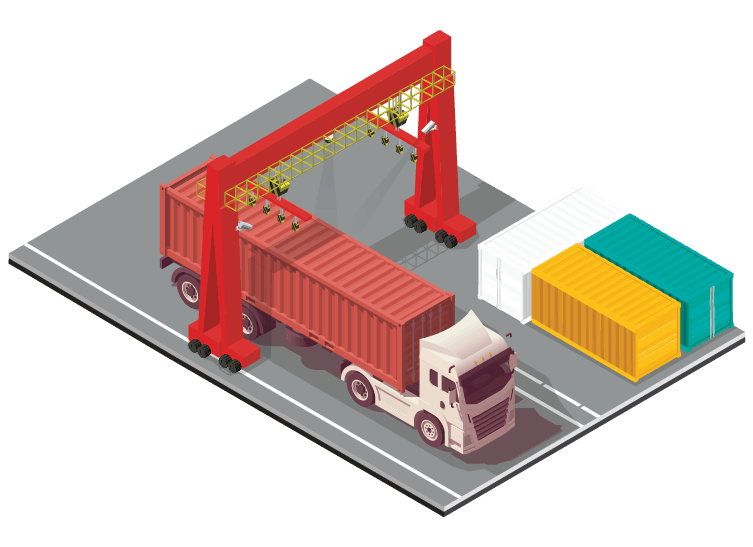
Containers rolling past a busy port gate.
Players training across multiple tennis courts.
Employees moving in and out of shared office spaces.
Different industries. Different environments. Different pressures.
But look closer and you will find the same challenge everywhere.
Too much happening, too fast, with not enough visibility.
This is where AI in operations management has started making a real difference. Not through futuristic promises. But by quietly fixing blind spots that manual systems can no longer handle.
What follows are real examples from different industries. Machine learning and computer vision enters as a problem solvers. They deliver clarity, accuracy and control. Right where operations need it most.
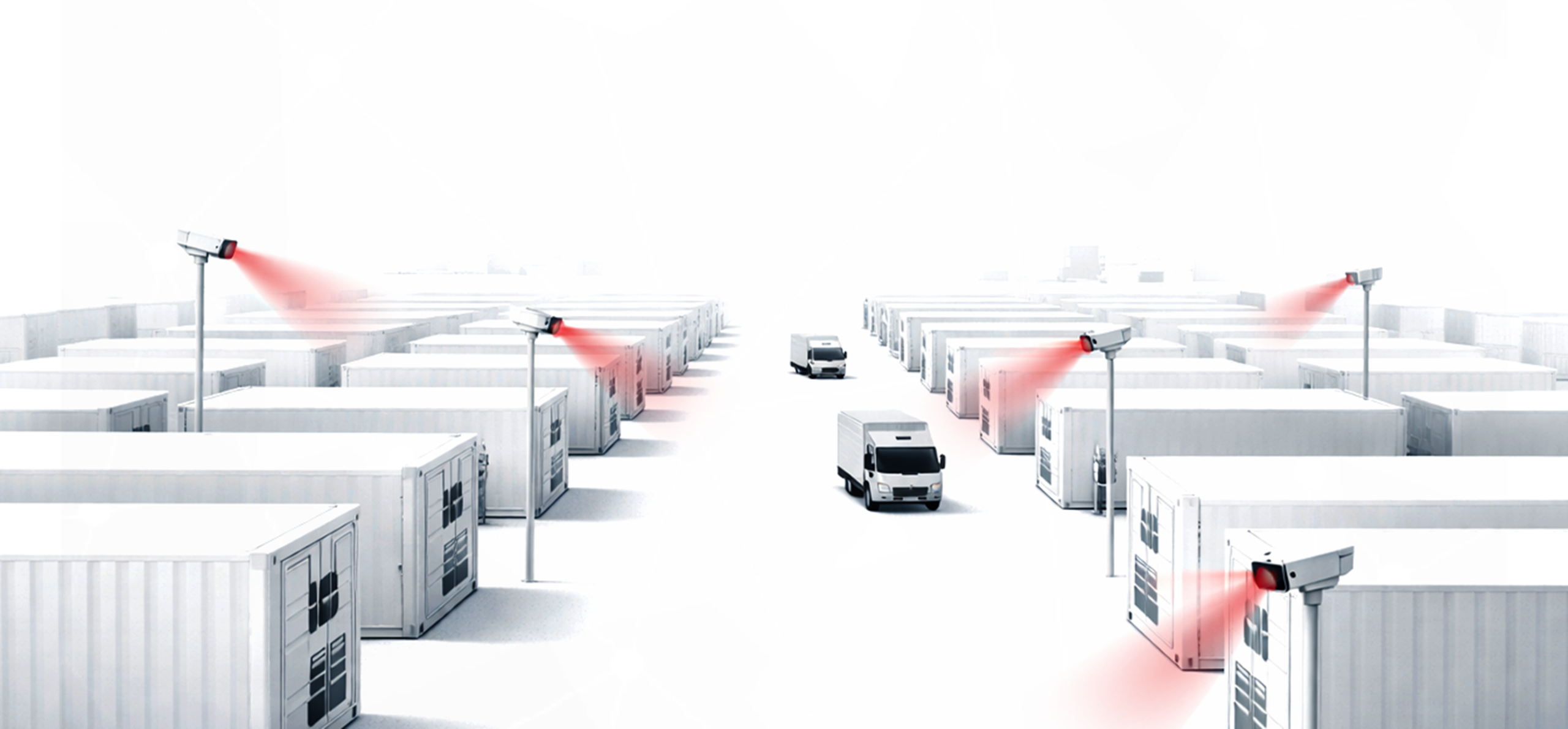
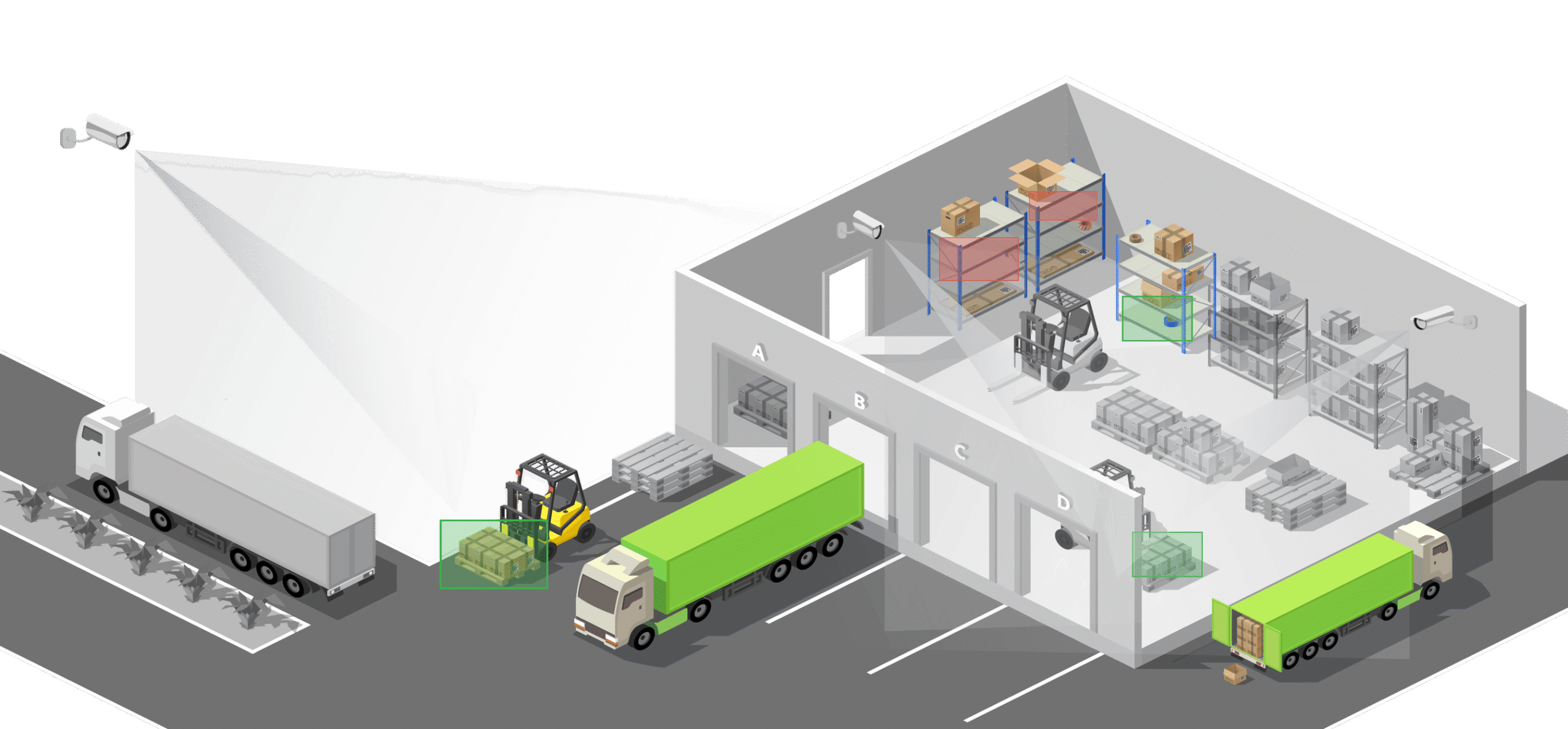
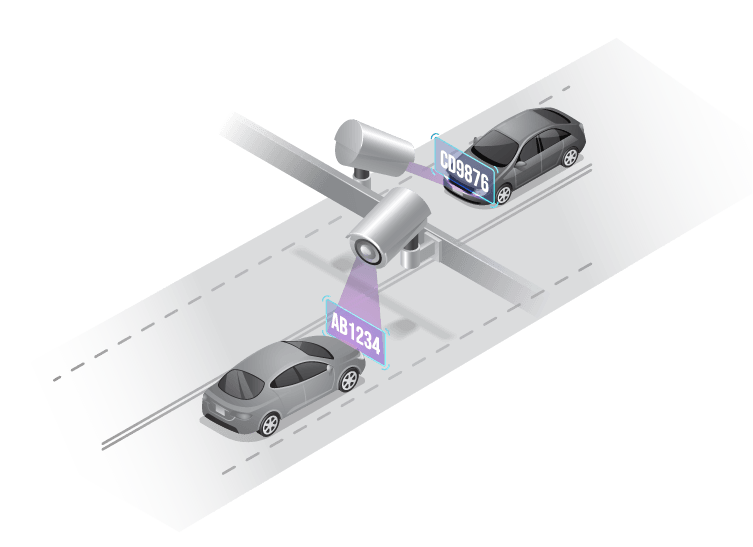
In a large manufacturing and visitor-heavy facility, vehicle movement used to be logged manually. Security teams wrote down plate numbers. Supervisors tried to separate staff vehicles from taxis. Peak-hour congestion was managed mostly through experience and guesswork.
The cracks were obvious.
Logs could be altered.
Entries were missed during rush hours.
There was no clean history of who entered, when or how often.
AI changed the nature of the task entirely.
With AI-powered vehicle tracking, cameras detect license plates automatically. Vehicles are logged as they pass through gates. Vehicle type and usage patterns were identified in real time. Entry and exit events were logged without human input.
Over time, something important happened.
Teams stopped chasing registers and fixing logs. They started spotting patterns instead. Peak hours ➡ parking needs ➡ traffic ➡ access.
Operational effort dropped sharply. Accuracy went up. And decision-making finally had evidence behind it.
Read the full case study of Automatic License Plate Recognition
Counting heads at large events is not as easy as it looks.
“Who really showed up?”
Ticket scans do not tell the full story.
Manual counting breaks down in crowds.
Repeat visitors inflate numbers.
Without reliable data, organizers struggle with staffing. Safety planning and post‑event reporting suffer too.
This is where Unique visitor detection AI is needed.
Using computer vision, entry points were equipped to identify individuals uniquely. They also counted attendance across multiple days. The system did not just count heads. It recognized repeat visits and mapped crowd flow. Peak congestion zones were revealed.
Suddenly, organizers could see how people moved. They spotted where crowds paused and when footfall surged.
What used to be estimates turned into verified insights. And decision-making shifted from reactive to informed.
Read the full case study on Unique Person Counting in Exhibitions
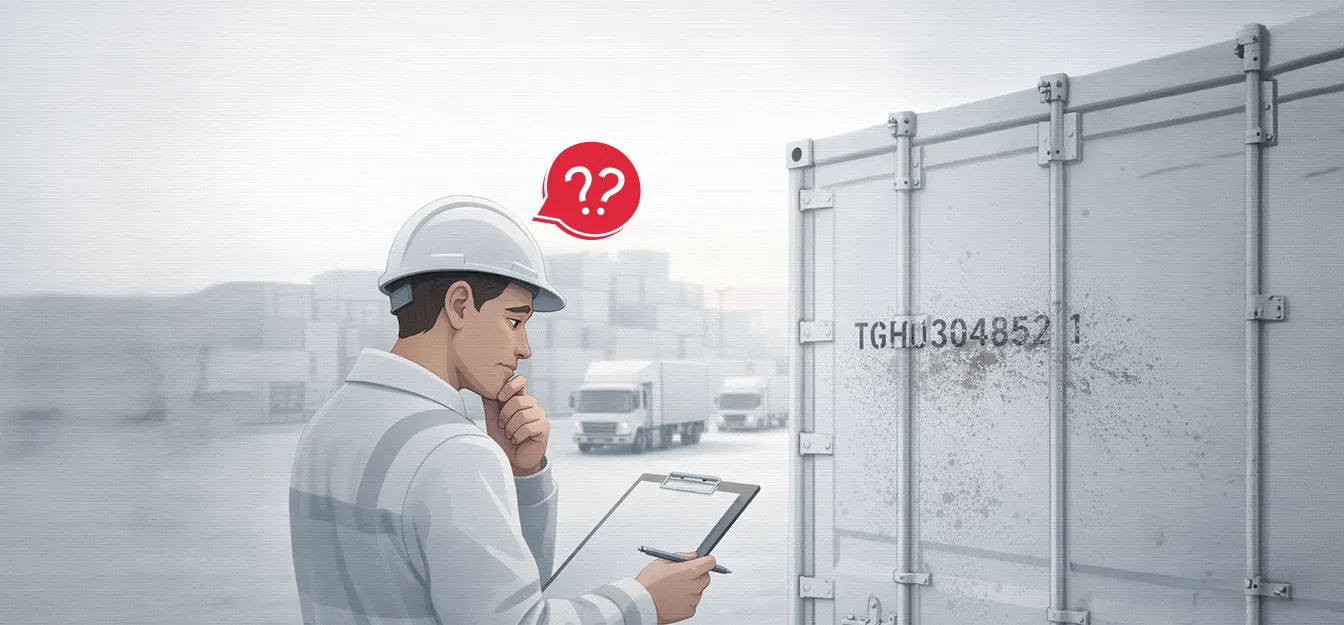
Ports and logistics hubs are unforgiving environments. Containers move fast. Lighting is inconsistent. Markings are worn out. During peak hours, even small delays multiply quickly.
Manual container data entry has long been a bottleneck.
Wrong numbers. Late updates. Inventory mismatches.
This is where AI-powered logistics tracking changed the flow.
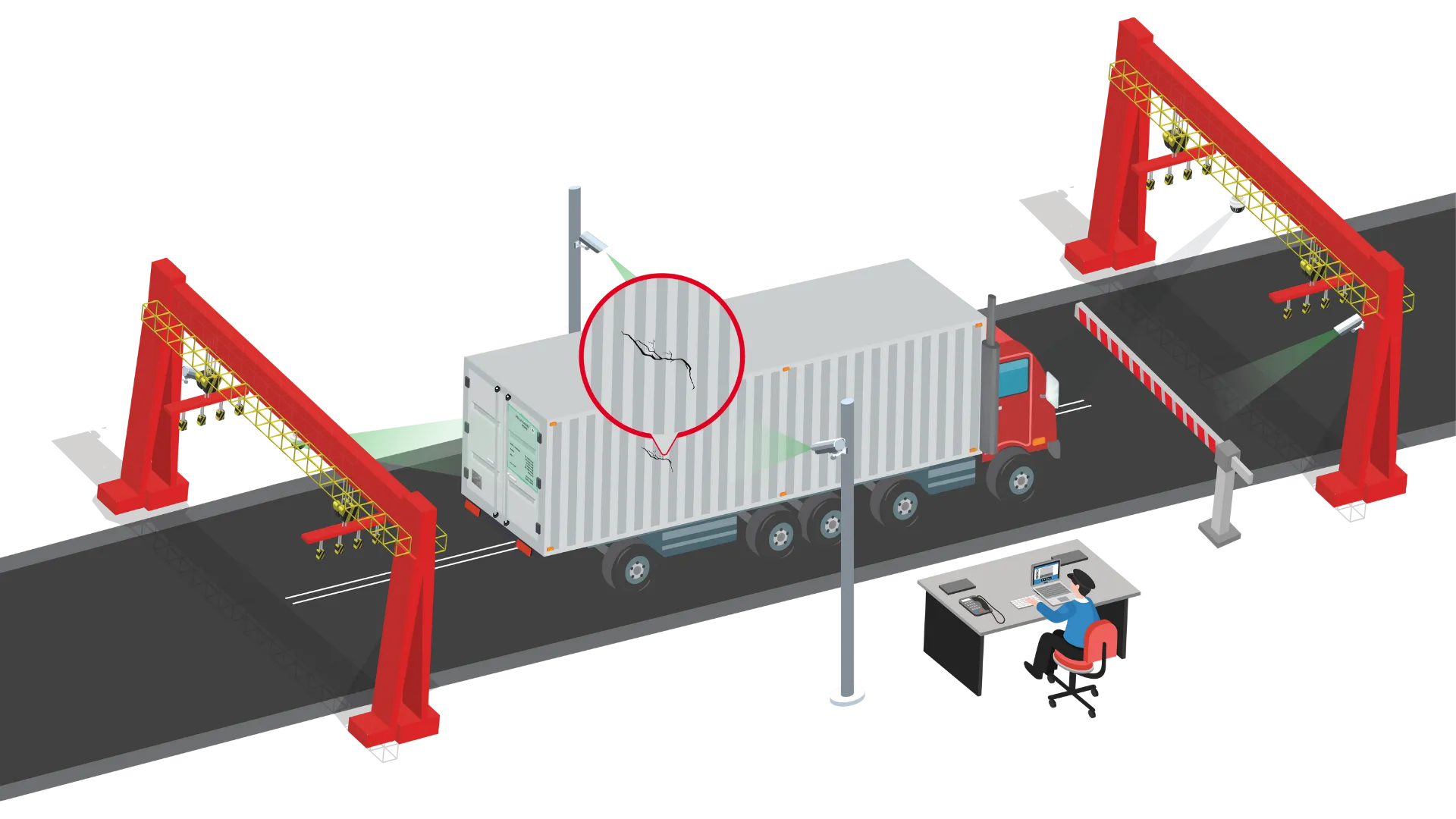
High-speed cameras captured containers in motion. OCR models read container numbers and ISO codes. Safety markings were captured in real time. The data synced directly to centralized systems. Manual override was available only when needed.
Instead of slowing vehicles to capture information, information moved at the same speed as operations. Gate processing became smoother. Inventory accuracy improved. Audits stopped turning into investigations.
Read the full case study of Automatic Container Details Identification
Attention is limited in competitive sports environments. Coaches manage multiple players across multiple courts. Not every movement can be tracked manually. Subtle patterns often go unnoticed.
That’s when real-time sports analytics reshaped training.
AI reviewed match and practice videos. It followed player movement, posture and shot choices. Scoring was logged without human effort. Downtime was filtered out. Only meaningful action remained.
Players did not just receive feedback. They received evidence.
Over time, training conversations became specific and not subjective. Improvement became measurable. And performance analysis no longer depended on memory or manual notes.
Read the full case study of AI-Powered Tennis Analytics
Shared office spaces and retail environments often struggle with:
“How efficiently are we actually using this space?”
Manual checks do not scale. Badge data does not show desk-level usage. And assumptions lead to overcrowding or underutilization.
Visual systems began tracking desk occupancy in real time with AI-powered workforce management. Not people’s identities, just usage patterns.
As days turned into weeks, clear patterns appeared. Frequent idle zones, overuse and time‑driven congestion were revealed.
This helped teams optimize layouts. Resources were managed more effectively. Productivity was balanced without intrusive monitoring.
Read the full case study of Employee Occupancy Detection
Different industries. Different goals. But the same transformation.
AI did not replace people. It replaced blind spots.
Industries everywhere adopted machine learning and computer vision. Be it manufacturing and government events or logistics and sports. Machine learning and computer vision turned physical activity into reliable data. Decisions became faster. Errors reduced. Accountability improved.
This is what modern AI in operations management looks like in practice.
Not flashy dashboards. Not buzzwords.
Just operations that finally see what’s happening while it’s happening.
Efficiency improves not because teams work harder. But because they stopped guessing. Risk reduces not because processes slow down. But because evidence appears earlier.
Whether it is AI-powered vehicle tracking or unique visitor detection AI or AI-powered logistics tracking or real-time sports analytics or AI-powered workforce management… the outcome is:
Operations move from reaction to control.
And once visibility is built into the system, improvement becomes continuous.

Each of these use cases solves a very real problem. If any of them feel familiar… then it is worth exploring them deeper.
Browse the full list of AI vision case studies and operational solutions here.
Because once you can see what’s really happening, running operations becomes a lot simpler.