How AI Vision is transforming Modern Logistics Operations

Ruchir Kakkad
CEO & Co-founder
CEO & Co-founder
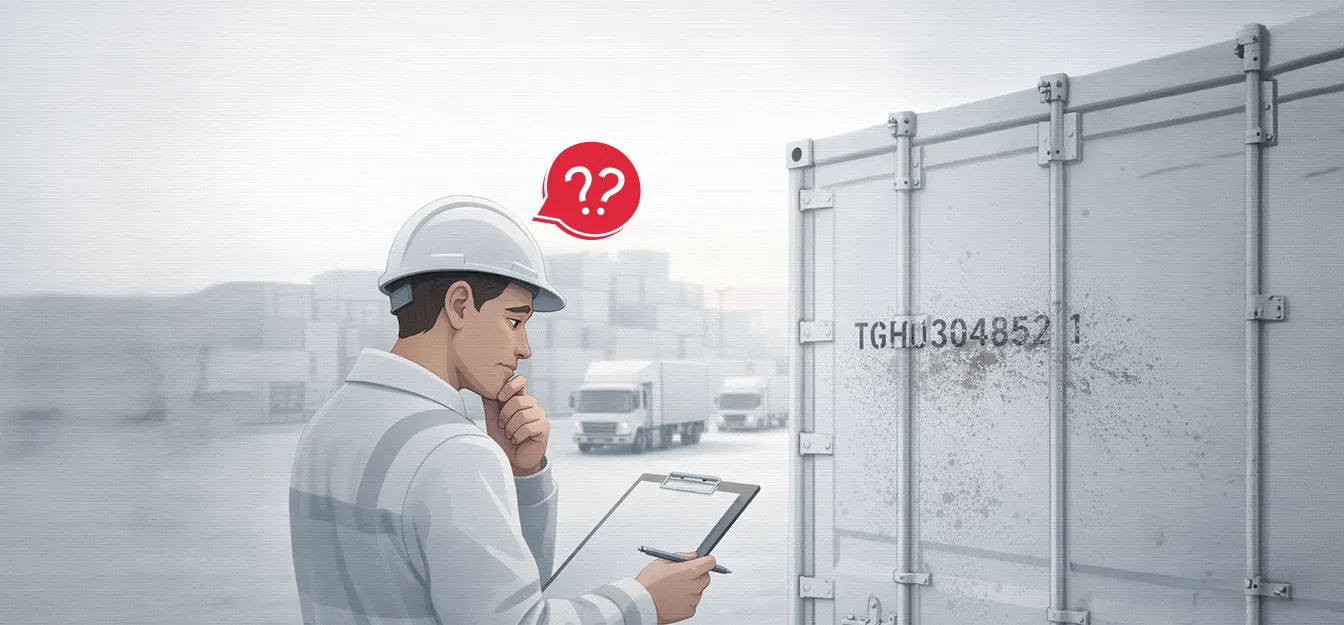
Modern logistics depend on speed. Accuracy and visibility keep logistics moving. Across container yards and CFS hubs… teams still face blind spots. They rely on manual checks and delayed data. This leads to missed damages and inefficient movement of assets.
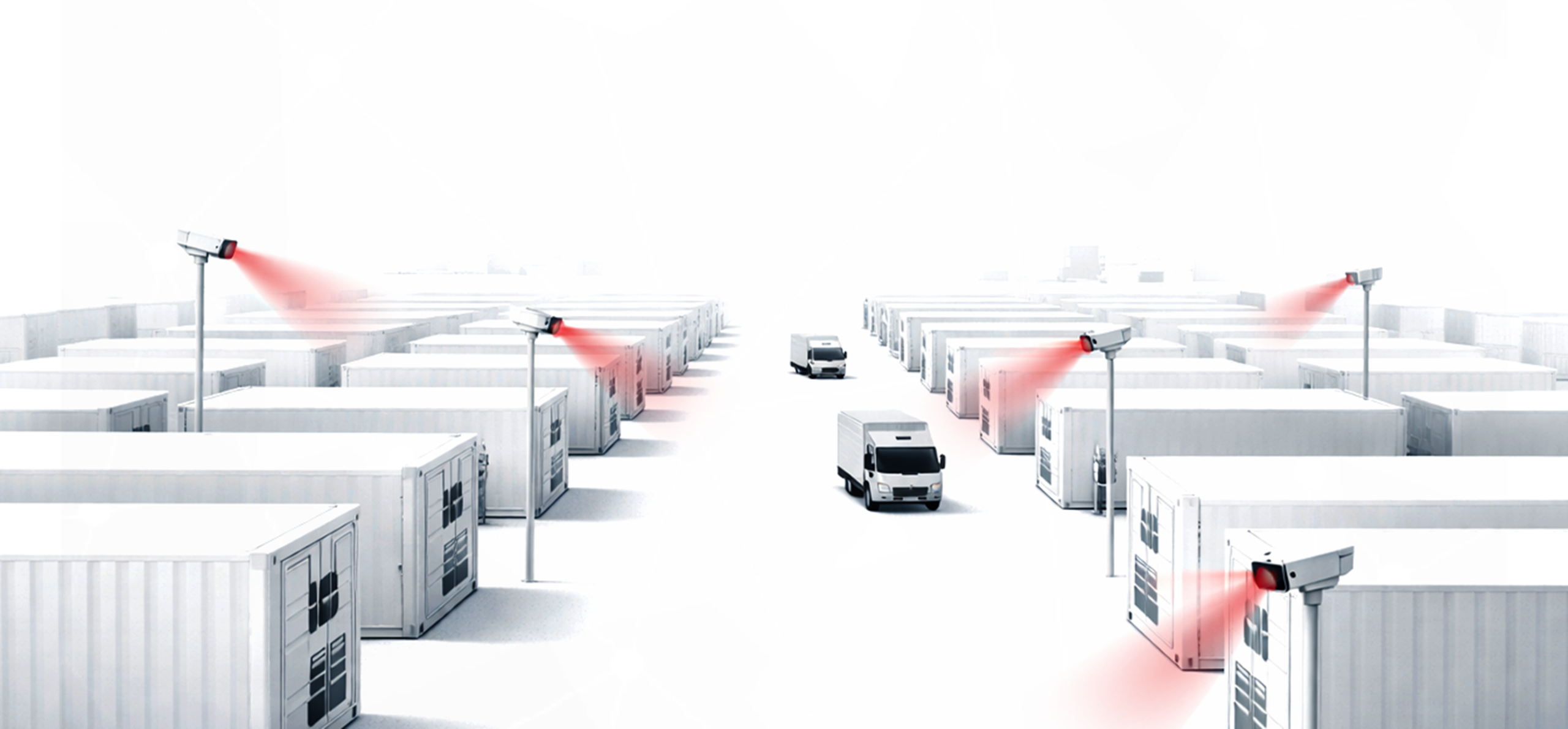
Logistics teams can see clearly by combining cameras with computer vision. They can understand and respond fast. All in real time across gates, yards and workflows.
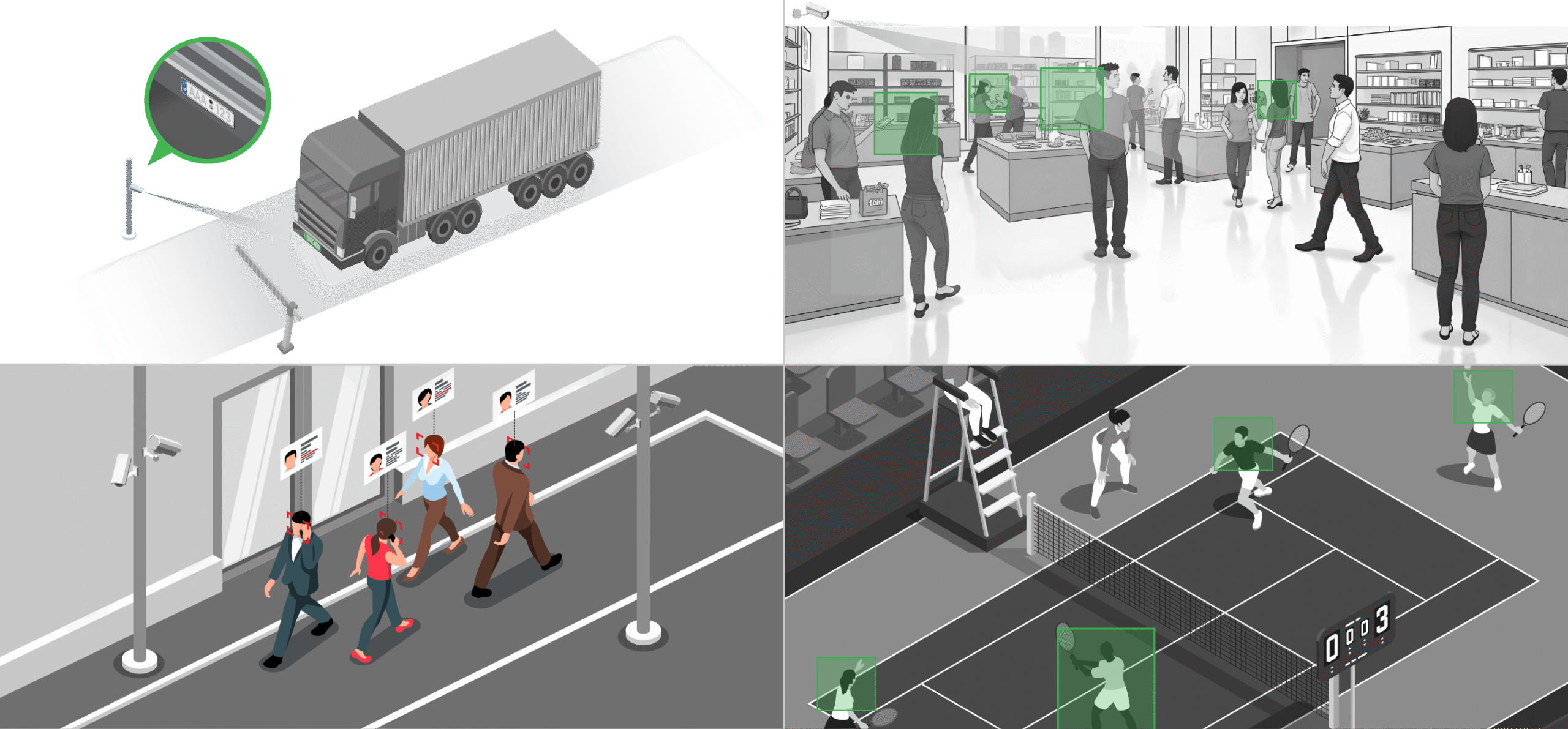
Traditional surveillance systems only record footage. Computer Vision in Logistics goes several steps further. It interprets visual data automatically. It can recognize containers, vehicles and damages. It even catches movements and anomalies on its own.
Beyond visibility, computer vision converts raw visuals. It converts them into structured operational data. This data integrates directly with yard management. It also connects seamlessly with logistics systems. As a result, every physical event is digitally recorded and time stamped.
This allows logistics teams to:
Instead of relying on delayed reports or manual logs, operations gain live visibility. This visibility is actionable and improves decision‑making. It helps reduce disputes among stakeholders. It also keeps logistics workflows running efficiently.
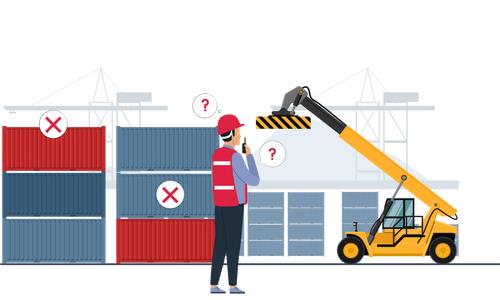
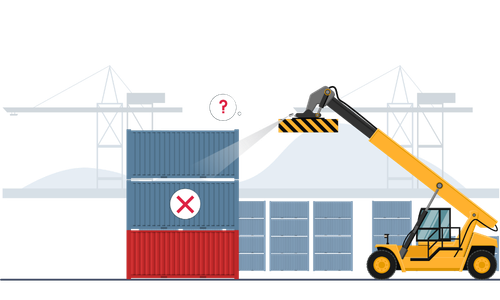
Supply chains today demand precision across every handoff. AI Vision for Supply Chain operations allows continuous tracking of assets. It monitors them as they move through gates, yards and terminals.
AI Vision creates a reliable visual layer of truth. It bridges the gap between physical movement and system data. It makes sure that every asset is properly accounted for. All of this happens without manual intervention.
Vision-powered systems automatically:
This level of visual intelligence reduces disputes and accelerates audits. It also improves traceability across operations. It also strengthens trust across carriers and terminals.
At the same time, it builds accountability among supply chain partners.
Fragmented data slows down logistics optimization. Logistics optimization hits a wall with fragmented data. AI Vision bridges that gap by converting physical activity into structured operational insights.
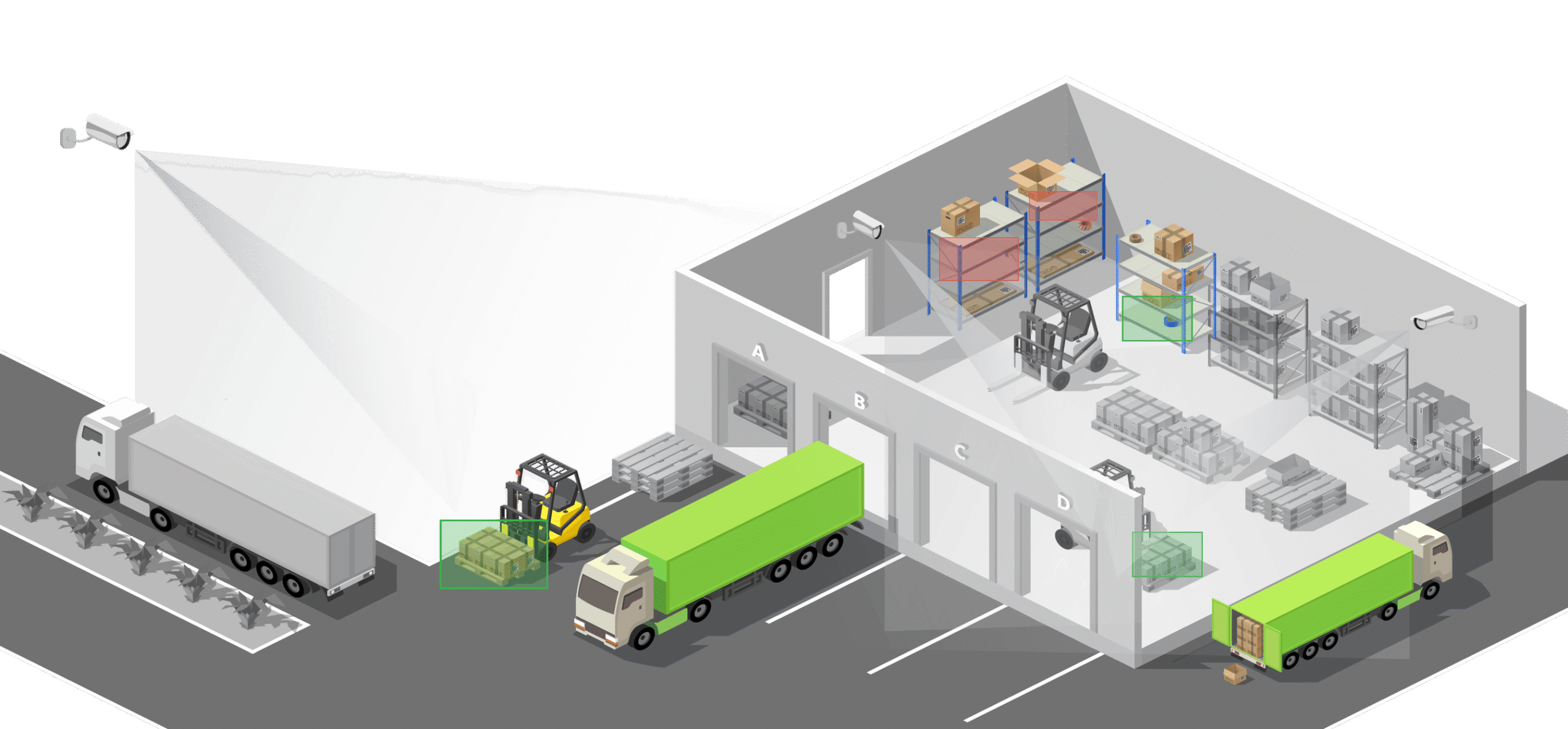
AI Vision continuously monitors yard, gate and vehicle activity. It builds a unified operational view. This spans equipment, containers and zones.
Decisions are no longer reactive. They are guided by real-time evidence from the ground. This enables faster corrections and smarter planning.
While route optimization is often associated with long‑haul transport, it is not limited to that context. AI powered route optimization inside logistics hubs is equally important. It directly supports and improves overall operational efficiency.
Small routing slips inside CFS yards and terminals add up fast. Minor routing inefficiencies in CFS facilities and terminals scale quickly.
Vision systems continuously track vehicle paths and idle time. They also monitor overall movement density. They identify congestion patterns across lanes and transfer zones.
They also detect issues within equipment corridors in real time.
This helps operations:
Small efficiency gains at this level scale into major operational improvements.
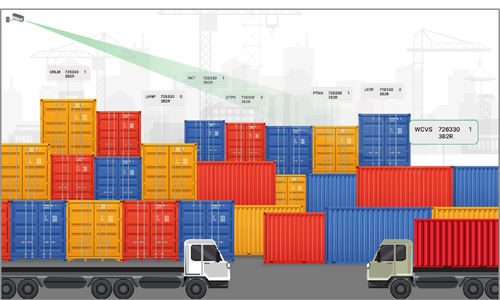
Empty yards are often managed with assumptions rather than accurate data. Smart empty yard management powered by AI Vision changes that completely.
By visually tracking container availability, condition and location, operations teams gain:
Live visual tracking provides precise visibility into empty container counts and their locations. It also shows readiness status across the entire yard.
Instant visibility into container availability and condition enables quicker allocation of decisions without manual verification or repeated yard movements.
AI vision eliminates manual searches by pinpointing exact container locations. This significantly reduces unnecessary equipment movement and handling cycles.
Smart placement insights drive stacking, zoning and flow. Data turns placement into a tool for efficiency.
This directly impacts turnaround time and customer satisfaction.
Manual sorting introduces delays and errors. Especially in high-volume environments. AI Vision makes logistics sorting smarter. Smarter sorting starts with AI Vision.
Vision systems can:
By aligning physical movement with system logic, AI‑driven sorting makes sure that the flow is consistent. It minimizes rehandling across processes. And it keeps large‑scale logistics operations predictable and controlled.
AI Vision is no longer an experimental technology. It is becoming a core operational layer for modern logistics. As systems mature, logistics operations will move from visibility to predictability. It is possible by using visual intelligence to anticipate issues before they occur.
For logistics leaders, adopting AI Vision is not about replacing people. It is about empowering teams with clarity and accuracy. It also gives them control across complex operations.
As AI Vision continues to evolve, its role will expand. It will move beyond monitoring and alerts. Visual data will increasingly feed predictive models. These models forecast congestion, equipment shortages and damage risks. They also anticipate operational delays before they impact throughput.
Logistics hubs will shift from reactive firefighting. They will move toward proactive orchestration. Decisions around container flow and yard capacity will be guided by evidence. Vehicle deployment strategies will also rely on factual insights. Compliance will be driven by evidence rather than assumptions.
The future of logistics belongs to operations that can see clearly. They must act early and adapt continuously. AI Vision makes that possible by turning complex physical environments into systems. These systems become observable and measurable. They are also controllable on scale.
Change is here. Terminals, CFS and yards can’t wait. Now is the moment for them to move.
Watch how Gotilo Container brings AI Vision into live gate and yard operations.
https://youtu.be/kYSFBxIcuFo?si=GUQZBl9oiXjir73a