



















Certified information security and AI. Your Data secured and Private to you.
Talk with us
Achieve superior product quality with intelligent defect detection.
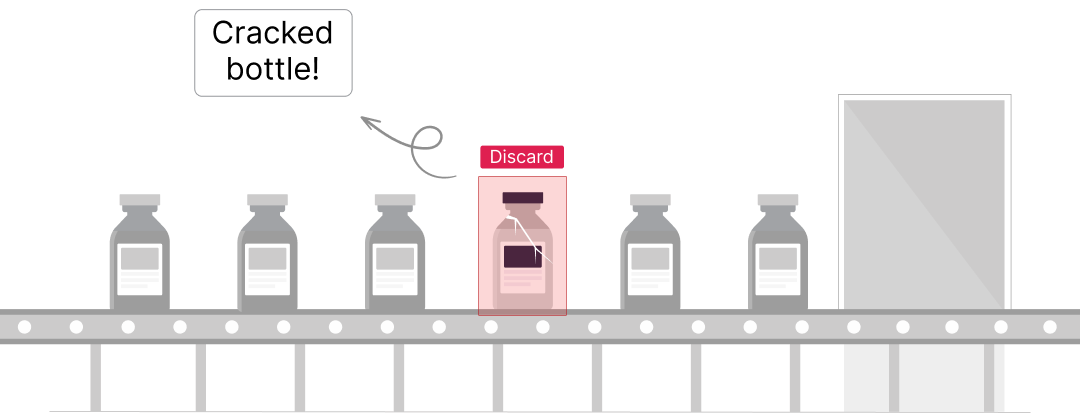
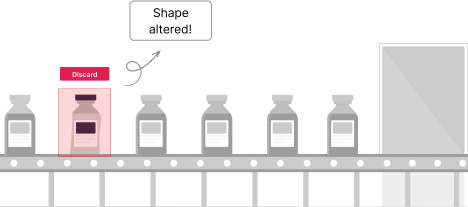
AI computer vision detects defects in the production that human inspection might miss. Computer vision for quality control helps automate quality checks to help manufacturers get better quality output. Plus, consistency in product standards and reduction in product waste.

Manual inspections are prone to human errors. It is due to a number of reasons like fatigue.

AI systems scan products with high accuracy. It identifies even the smallest defects in real time. It ensures manufacturing quality assurance.

Traditional quality control processes slow down production lines and increase operational costs. This is where automated quality inspection offers a faster and more reliable alternative.

AI enables instant quality checks, without any interruptions. This ensures seamless production and supports quality control automation.

Detecting defects too late in the process? This leads to material wastage and increased costs. Implementing automated defect detection helps address this problem.

Our AI system identifies flaws at the earliest stage in real time. This reduces rework and waste. This is a key part of an automated quality control inspection process.

There is variation in inspection which leads to quality deviation with different product inspectors. A smart inspection system provides consistency and reduces variation.

AI ensures uniform quality checks across all production batches by maintaining quality standards. It is done with the help of computer vision for quality control.
Ensuring the products meet the set quality standards. This is an absolute must for all manufacturers. Thus, the use case is beneficial to many stakeholders.
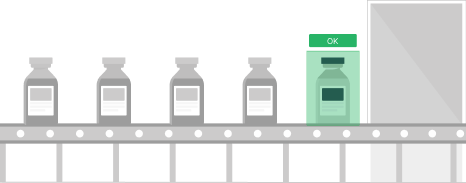


We evaluate your existing camera infrastructure to integrate the solution seamlessly.

Capture high-resolution images of the product and from production lines to train the AI model.

We integrate AI inspections into existing manufacturing workflows. It is for continuous inspection using automated quality control integration techniques.

Real-time insights and detailed reports are generated for continuous improvement in quality control.
Stay updated with the trending and most impactful tech insights. Check out the expert analyses, real-world applications, and forward-thinking ideas that shape the future of AI Computer Vision and innovation.
Three months after the incident, the assessor sits across from Meera, the operations manager, and slides a form over the desk. She is ready for questions about helmets, about whether the supervisor was present, about protocol. He asks none of them. He asks one thing instead: show me the footage. Meera’s yard runs safety well. […]

CEO & Co-founder
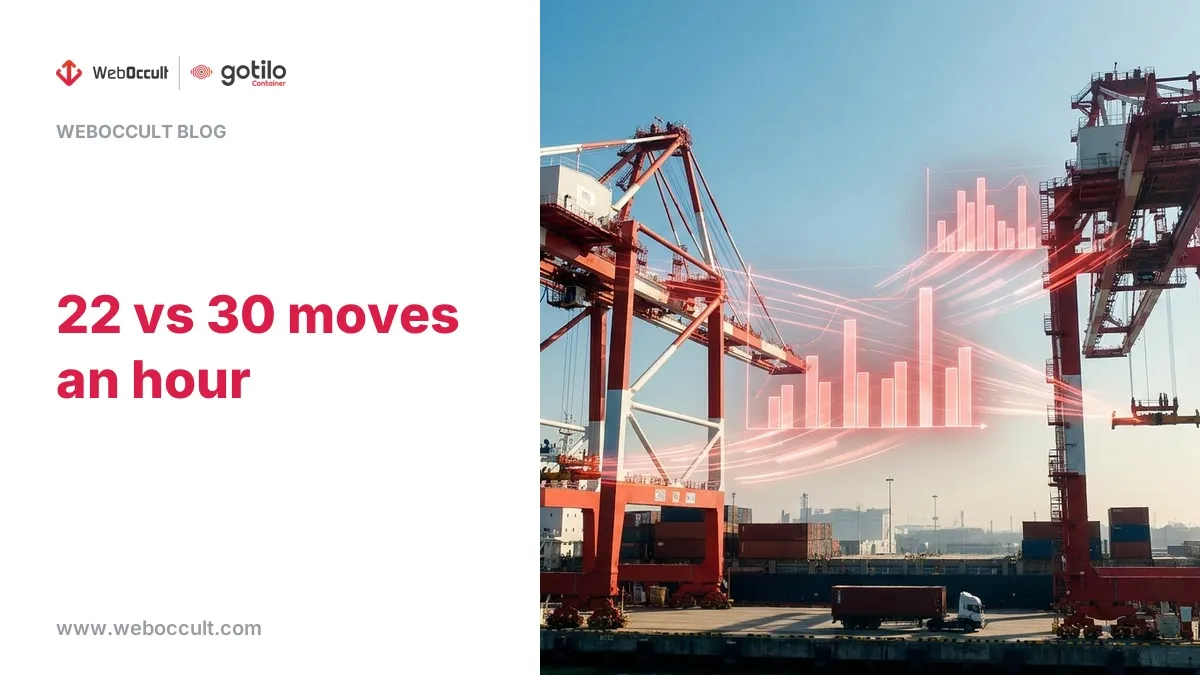
Deepak runs operations at a mid-size terminal, and one number has bothered him for a month. Two ship-to-shore cranes, side by side. Same model, same year, same maintenance schedule. Crews rotate between them every shift. One averages 22 moves an hour. The other averages 30. He sends a maintenance team over the slow one. They […]
CEO & Co-founder
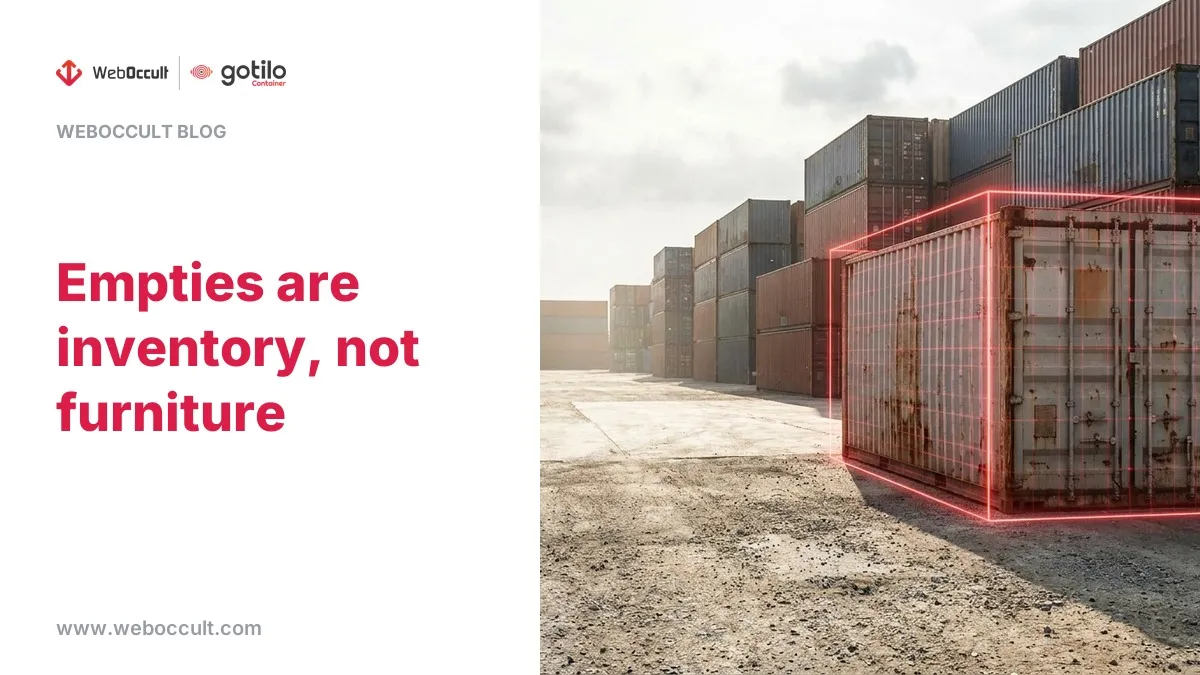
Pravin has run the empty depot for nine years, and he will tell you he knows every box in it. Then he walks you to the far corner, points at a container furred with dust, a small spider web in the corner casting, and goes quiet. It came in months ago. Nobody remembers the booking. […]
CEO & Co-founder
