






















Certified information security and AI. Your Data secured and Private to you.
Talk with us
Perfect the Planarity. Catch Surface Irregularities Before They Cost You Yield.
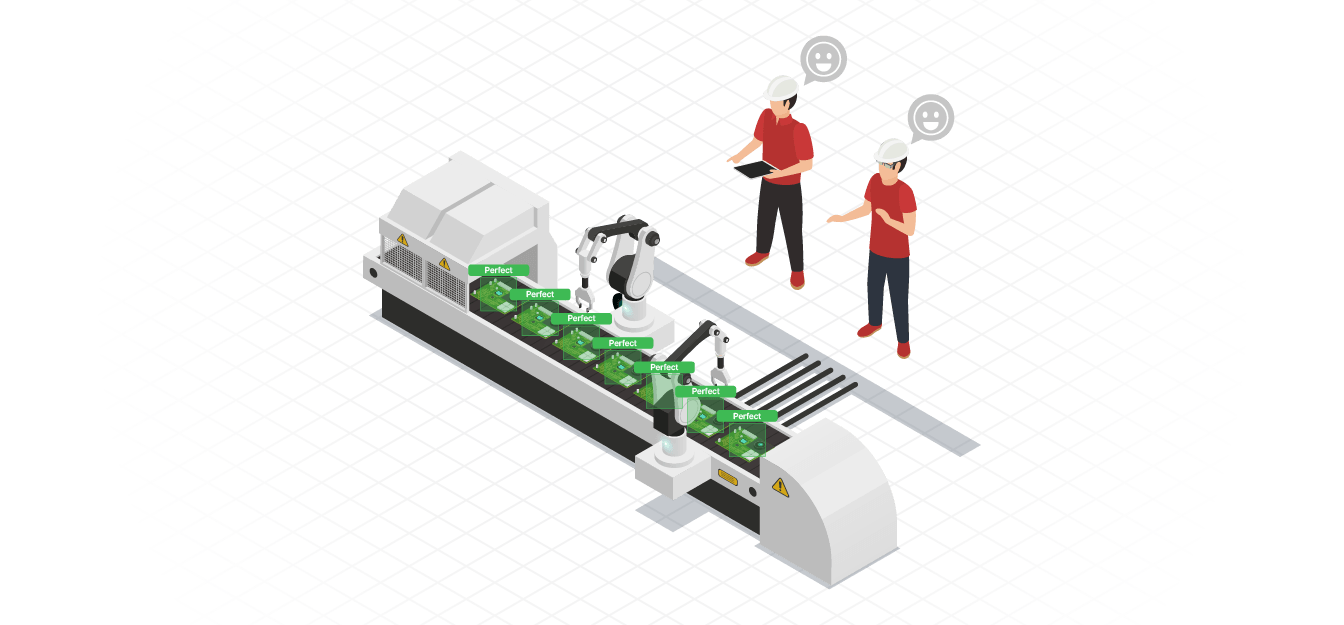
Chemical Mechanical Planarization (CMP) is critical for achieving flat surfaces before lithography and metalization layers, but it’s also one of the most defect-prone processes in semiconductor fabrication. Microscopic erosion, dishing, scratches, and thickness variations can easily go undetected until later stages, causing metal bridging, poor pattern fidelity, and electrical faults.
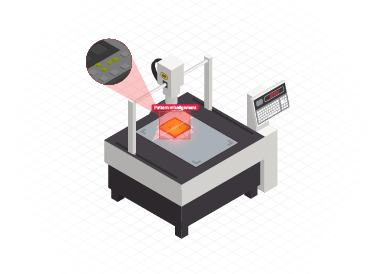
AI-powered CMP Quality Monitoring systems use real-time computer vision and surface profiling to inspect wafers for planarity issues, pattern distortions, and mechanical damage, before wafers exit the CMP tool.
Surface depressions or raised areas often escape detection using static metrology tools.

By the time defects are caught, wafers have already moved forward, resulting in batch-level loss.
Traditional CMP lacks intelligent automation for adjusting pad pressure or slurry flow in real time.

Edge vs. center planarity variations often go undiagnosed without full-field visual inspection.

Vision systems detect topography variations like dishing, erosion, and micro-scratches as wafers exit the platen.
Full-wafer visual analysis to ensure uniform thickness across all regions.

AI detects and classifies CMP-related defects using training data, reducing false positives.

Detects trends in pad wear or slurry issues and feeds data back to adjust process settings.
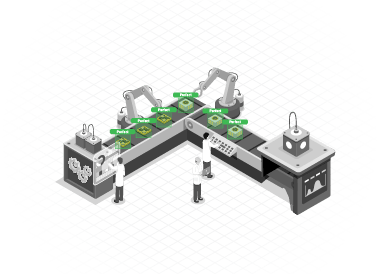
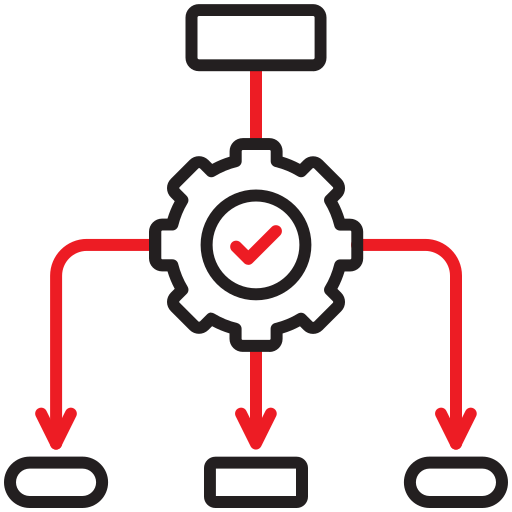
We begin by auditing your specific CMP tools, single or double platen, and defining inspection points for incoming and outgoing wafers.

High-speed line-scan or area-scan cameras are calibrated for low reflectivity surfaces, mounted above wafer exit conveyors with optical flattening filters to reduce glare.

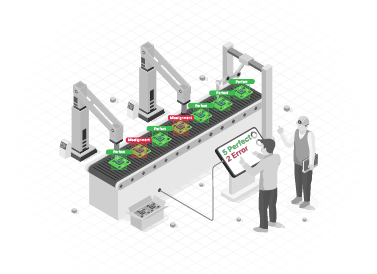
AI models are trained using thousands of annotated wafer images to recognize surface artifacts like microscratches, pad marks, and planar deviations with high accuracy.

The system is integrated directly into the CMP tool’s output lane or post-clean module, providing instant alerts for abnormal surface profiles and enabling dynamic process correction without production delay.
Stay updated with the trending and most impactful tech insights. Check out the expert analyses, real-world applications, and forward-thinking ideas that shape the future of AI Computer Vision and innovation.
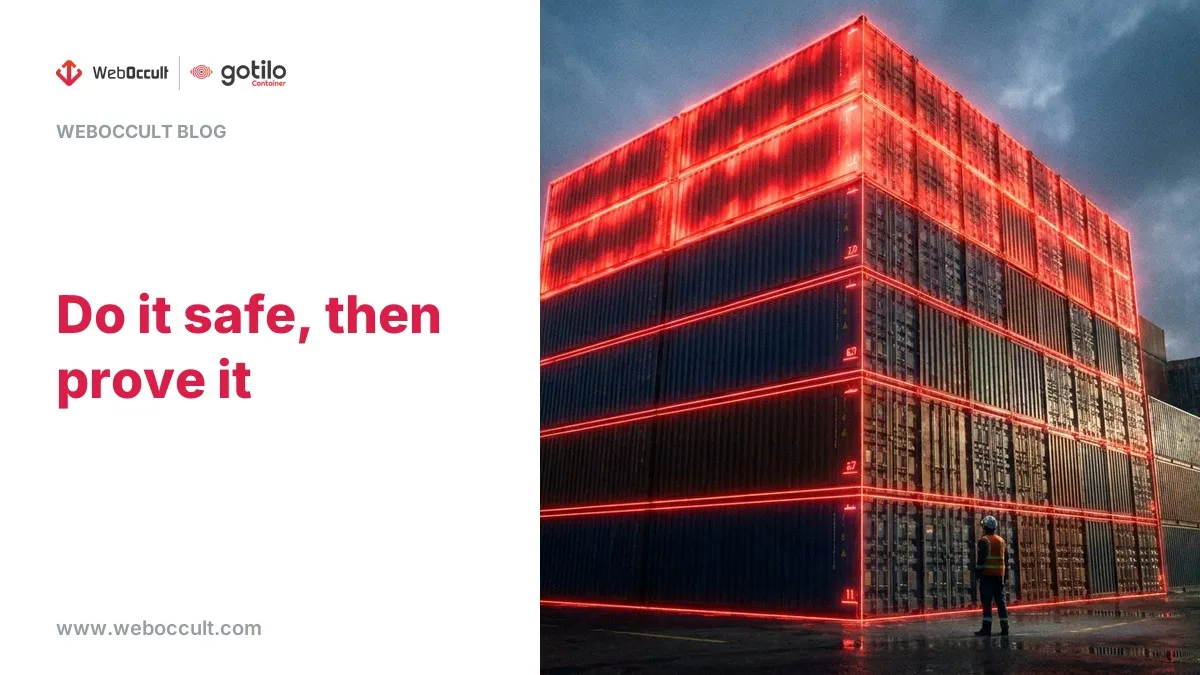
Three months after the incident, the assessor sits across from Meera, the operations manager, and slides a form over the desk. She is ready for questions about helmets, about whether the supervisor was present, about protocol. He asks none of them. He asks one thing instead: show me the footage. Meera’s yard runs safety well. […]

CEO & Co-founder

Deepak runs operations at a mid-size terminal, and one number has bothered him for a month. Two ship-to-shore cranes, side by side. Same model, same year, same maintenance schedule. Crews rotate between them every shift. One averages 22 moves an hour. The other averages 30. He sends a maintenance team over the slow one. They […]
CEO & Co-founder
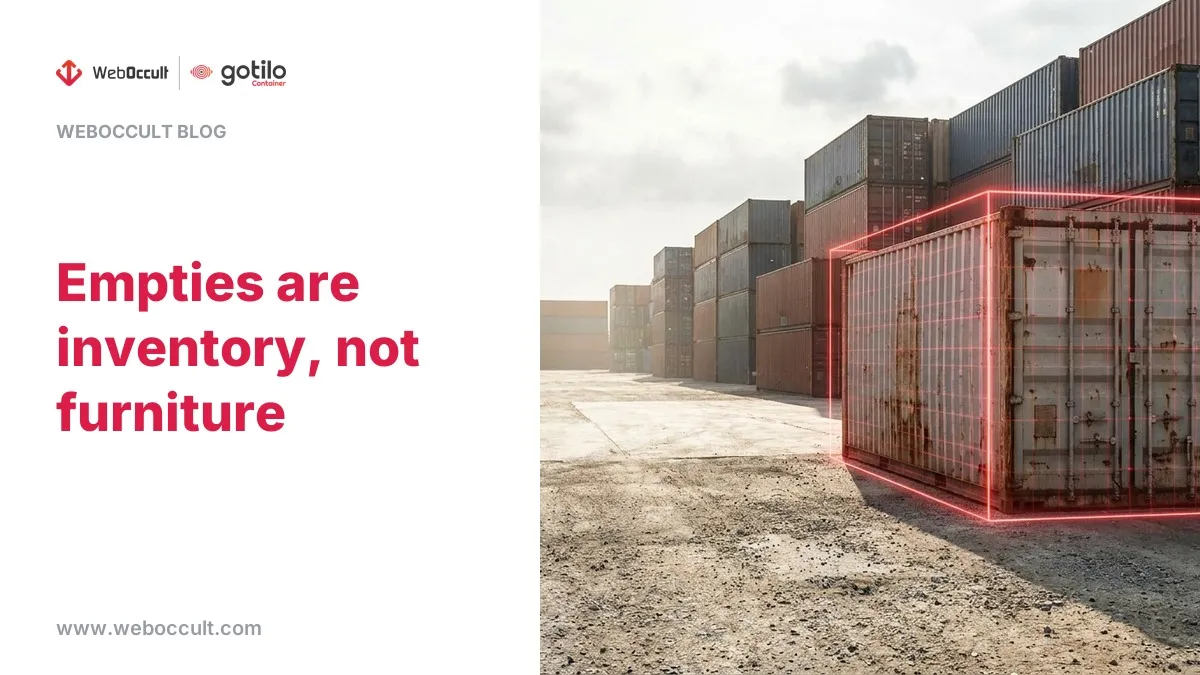
Pravin has run the empty depot for nine years, and he will tell you he knows every box in it. Then he walks you to the far corner, points at a container furred with dust, a small spider web in the corner casting, and goes quiet. It came in months ago. Nobody remembers the booking. […]
CEO & Co-founder
