























Certified information security and AI. Your Data secured and Private to you.
Talk with us
Effective disaster response with the efficiency of AI.
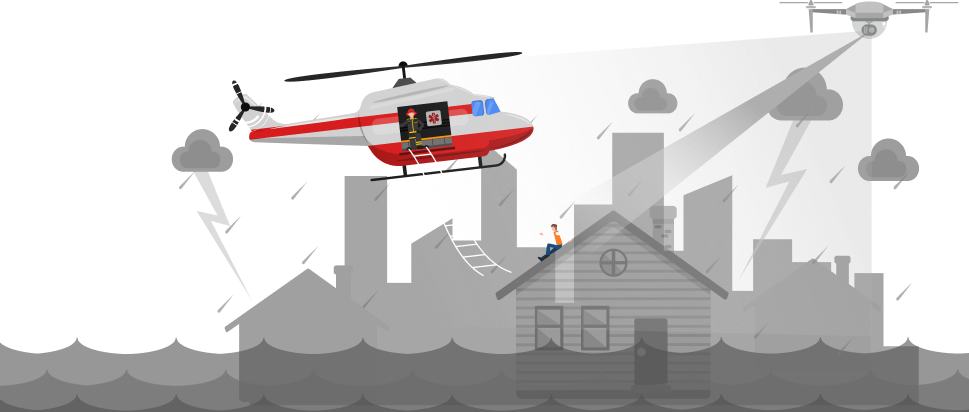
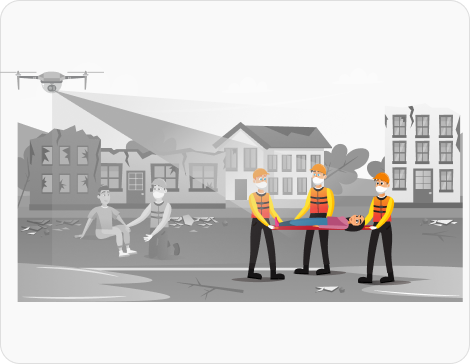
Our relief effort coordination solution uses AI and computer vision to analyze disaster-affected areas. It helps in assessing damage levels and optimizing resource allocation. It’s a great aid for emergency responders and helps organizations streamline operations and maximize impact

Human-led manual assessment of disaster zones slows down aid distribution.

Our solution rapidly evaluates affected areas and prioritizes resource deployment based on real-time needs.

Lack of proper coordination and insights often lead to resource wastage or shortages.

AI analyzes supply chains and suggests efficient routes for aid distribution where needed, on time.

Its difficult to find stranded individuals in large disaster zones with any real-time knowledge.

Improve rescue operations as our system uses drone and satellite imagery to identify and locate survivors.

Communication becomes difficult in disaster struck areas due to damaged infrastructure.

Guidance by AI can help set up other communication networks and optimize response efforts.
This solution is crucial for organizations and agencies who are involved in disaster management.
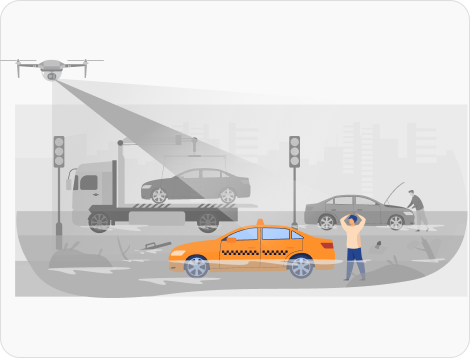


Using drones, satellite imagery and on-ground reports, real-time data is gathered.

Affected area is analyzed and the severity of destruction is determined through it.

Delivery routes are prioritized with the help of AI and resources are distributed effectively.

Live tracking is enabled for relief efforts with real-time data and insights, helping in streamlining operations.
Stay updated with the trending and most impactful tech insights. Check out the expert analyses, real-world applications, and forward-thinking ideas that shape the future of AI Computer Vision and innovation.
Three months after the incident, the assessor sits across from Meera, the operations manager, and slides a form over the desk. She is ready for questions about helmets, about whether the supervisor was present, about protocol. He asks none of them. He asks one thing instead: show me the footage. Meera’s yard runs safety well. […]

CEO & Co-founder
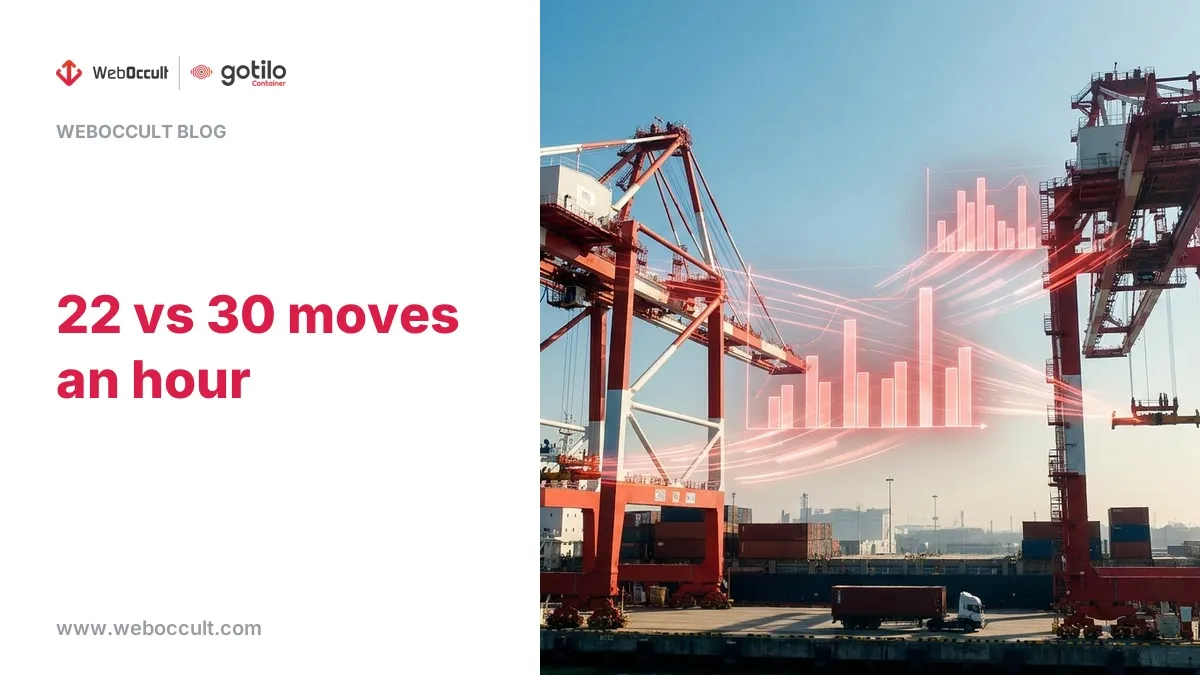
Deepak runs operations at a mid-size terminal, and one number has bothered him for a month. Two ship-to-shore cranes, side by side. Same model, same year, same maintenance schedule. Crews rotate between them every shift. One averages 22 moves an hour. The other averages 30. He sends a maintenance team over the slow one. They […]
CEO & Co-founder
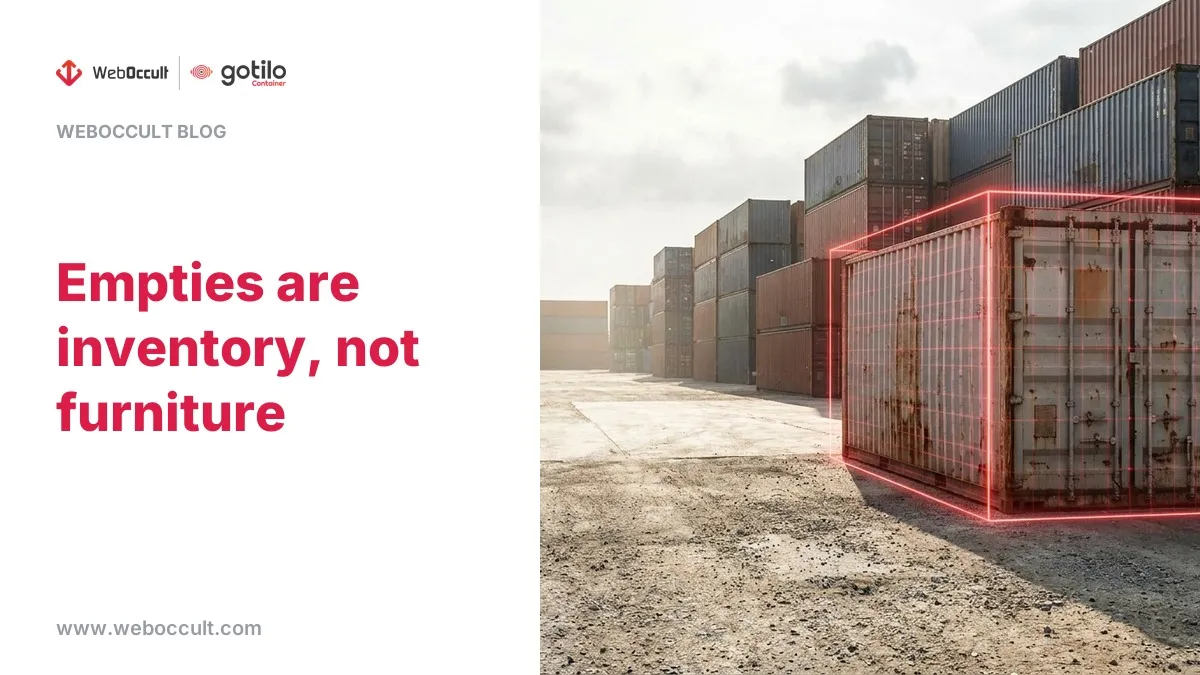
Pravin has run the empty depot for nine years, and he will tell you he knows every box in it. Then he walks you to the far corner, points at a container furred with dust, a small spider web in the corner casting, and goes quiet. It came in months ago. Nobody remembers the booking. […]
CEO & Co-founder
