





















Certified information security and AI. Your Data secured and Private to you.
Talk with us
Ensure thermal accuracy. Prevent overheating. Maintain metallurgical precision in every pour.
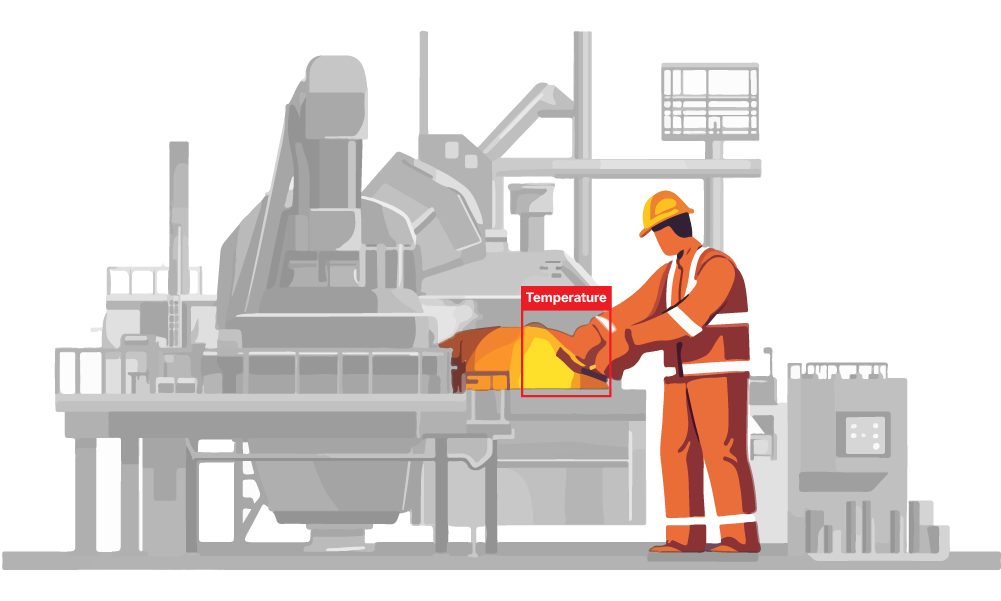
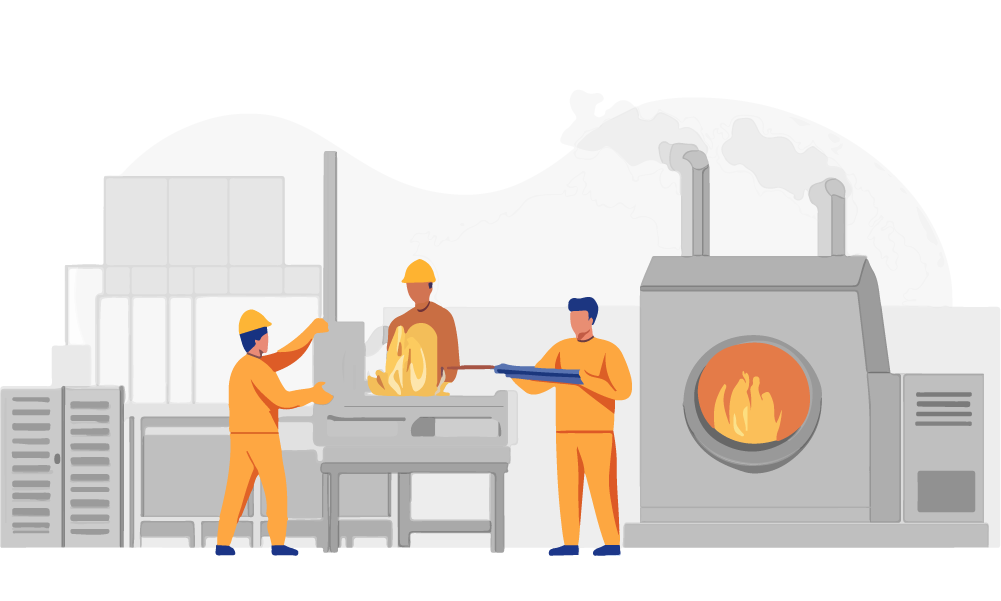
In the steel industry, even a few degrees can determine the success or failure of casting, rolling, or quenching. Manual temperature checks using handheld pyrometers or spot sensors are often delayed, inaccurate, or dangerously close to molten zones.Hot Metal Temperature Validation uses non-contact thermal imaging and AI analysis to provide continuous, real-time monitoring of molten metal and hot surfaces, ensuring exact thermal thresholds are maintained at each critical step, from ladle to line.

Handheld devices offer point readings that dont reflect true thermal spread or gradient.

Close-proximity measurements expose workers to extreme heat and radiant zones.

Failure to maintain optimal temperatures leads to poor grain structure or unwanted defects.

Temperature anomalies are often detected too late, after casting or forming errors have occurred.

Monitors temperature across entire metal surfaces using AI-enabled thermal cameras.

Alerts operators instantly when metal temperatures move beyond safe ranges.

Provides heat distribution maps to detect hotspots, cold zones, and uneven thermal flows.

Syncs with casting or rolling controls to auto-adjust feed rates or cooling cycles.
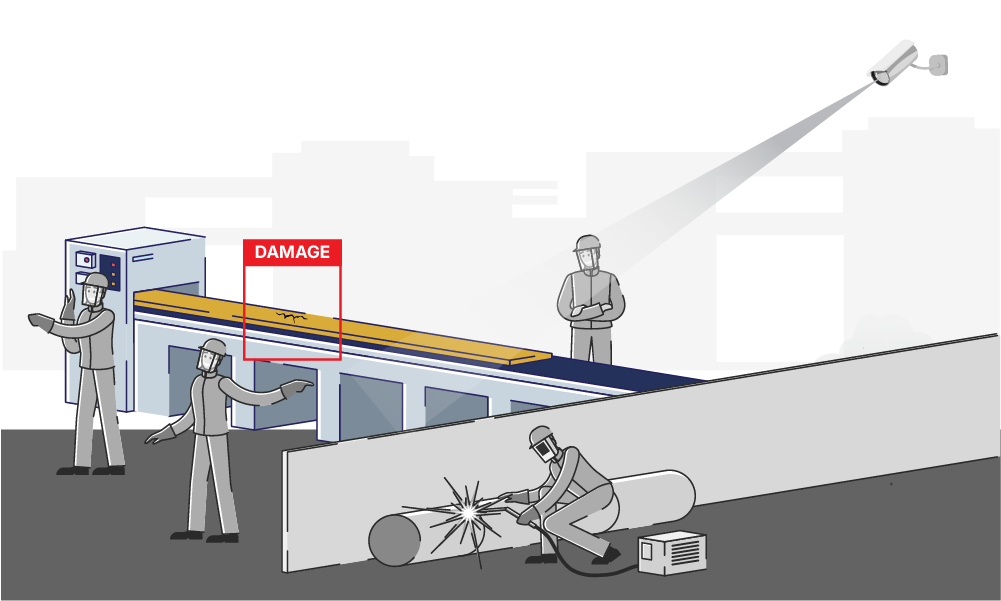
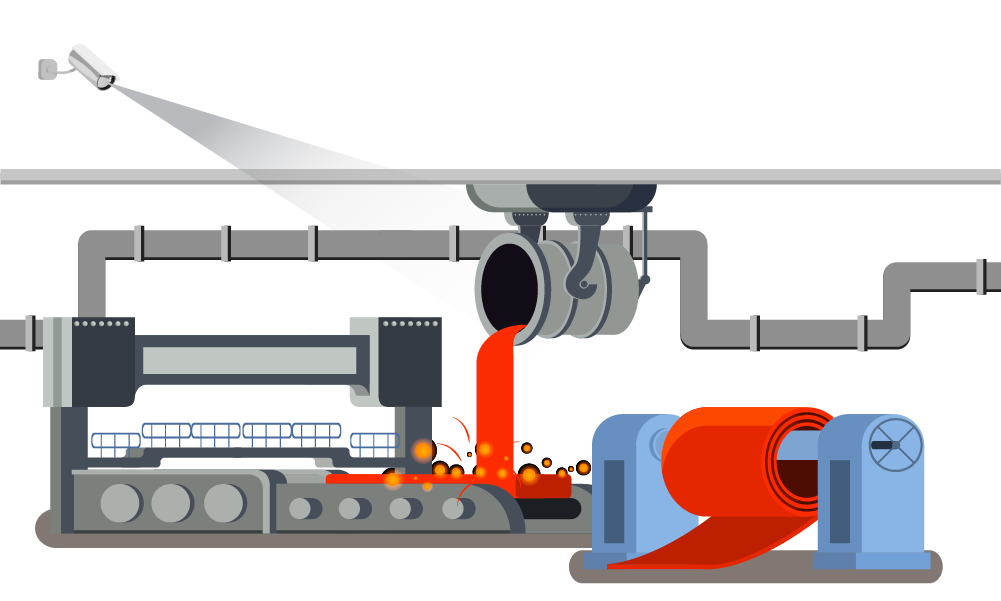

We begin by identifying key stages where temperature accuracy is essential, such as ladle pouring, tundish levels, rolling exit, or pre-quench zones.

Thermal cameras are selected and calibrated for extreme heat ranges (800°C 1650°C) and placed at safe, shielded observation points using industrial-grade enclosures.

AI models are trained on visual + thermal data to correlate metal color, glow, and behavior with accurate temperature bands across steel grades and process variations.

Live thermal maps and status alerts are integrated with the control room interface. Auto-alerts are triggered for overheating, heat loss, or uneven flow, enabling timely intervention.
Stay updated with the trending and most impactful tech insights. Check out the expert analyses, real-world applications, and forward-thinking ideas that shape the future of AI Computer Vision and innovation.
Three months after the incident, the assessor sits across from Meera, the operations manager, and slides a form over the desk. She is ready for questions about helmets, about whether the supervisor was present, about protocol. He asks none of them. He asks one thing instead: show me the footage. Meera’s yard runs safety well. […]

CEO & Co-founder
Deepak runs operations at a mid-size terminal, and one number has bothered him for a month. Two ship-to-shore cranes, side by side. Same model, same year, same maintenance schedule. Crews rotate between them every shift. One averages 22 moves an hour. The other averages 30. He sends a maintenance team over the slow one. They […]
CEO & Co-founder
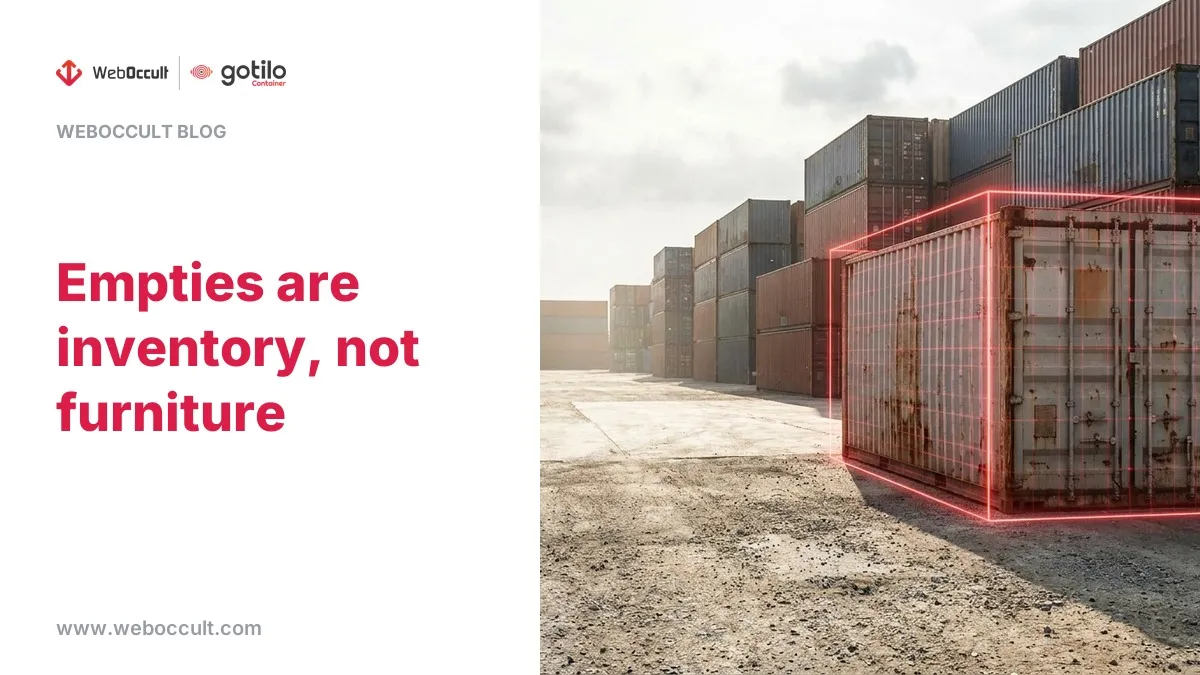
Pravin has run the empty depot for nine years, and he will tell you he knows every box in it. Then he walks you to the far corner, points at a container furred with dust, a small spider web in the corner casting, and goes quiet. It came in months ago. Nobody remembers the booking. […]
CEO & Co-founder
